

As an HRTech expert with decades of experience, Ling-Yi Tsai has seen firsthand how even the most sophisticated organizations can stumble at the finish line of recruitment. She specializes in bridging the gap between human intuition and data-driven systems, helping companies integrate analytics into their onboarding and talent management workflows. In this conversation, we explore the systemic bottlenecks that occur when a candidate reaches the “final stage,” the psychological toll of silence on top-tier talent, and the structural shifts necessary to transform a sluggish hiring process into a competitive advantage.
Interviewers often rely on memory instead of standardized tools to evaluate final-round candidates. How does this lack of data-driven comparison stall the final decision, and what specific metrics or rubrics should hiring managers use to move past memory-based bias?
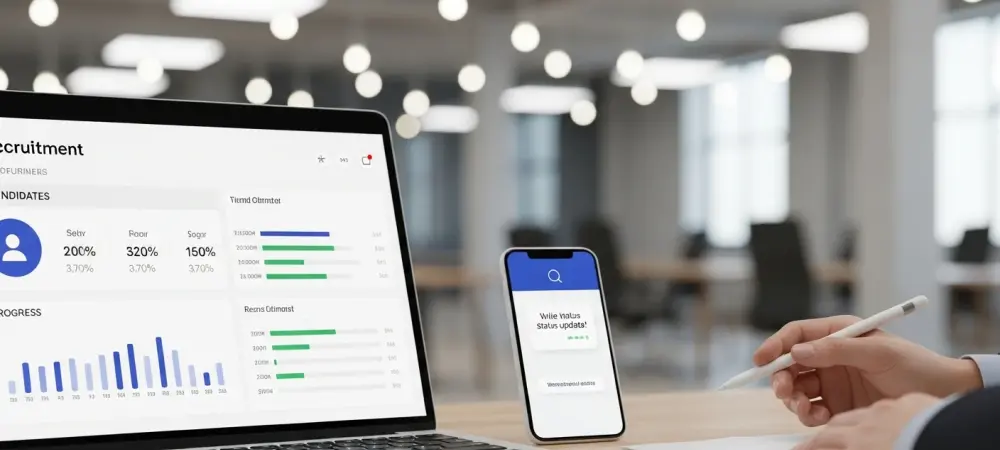
When interviewers rely on memory, they aren’t just being forgetful; they are falling prey to cognitive biases like the “recency effect,” where they only remember the very last person they spoke with. According to insights from SHL, this lack of standardized tools leads to circular debates where stakeholders argue over “vibes” rather than competencies, which can stall a decision for weeks. To fix this, I recommend a three-step approach: first, define five core competencies before the job is even posted; second, use a numerical rubric (1-5 scale) for each competency during the interview; and third, aggregate these scores into a digital dashboard. By looking at a hard data comparison rather than a mental hazy image, teams can cut through the noise and make a confident, objective selection within 24 hours of the final interview.
When the authority to hire is shared among multiple stakeholders, coordinating schedules for a final consensus often becomes a major bottleneck. What strategies can teams use to align these decision-makers more quickly, and can you share an anecdote where streamlining this coordination saved a high-value hire?
Shared authority often leads to a “too many cooks in the kitchen” scenario where the hiring process grinds to a halt because three different executives can’t find a free hour on their calendars. I once worked with a tech firm that lost a brilliant lead engineer because their four-person panel couldn’t meet for ten days; after that, we implemented a “tentative consensus” policy where the primary hiring manager has the tie-breaking vote if a meeting can’t happen within 48 hours. Another effective strategy is the “sync-or-swim” block, where stakeholders pre-book 30 minutes on their calendars for the day after final interviews specifically for a huddle. This proactive scheduling removes the friction of back-and-forth emails and ensures the momentum of the interview carries directly into an offer.
Prolonged silence during the final stages often triggers anxiety and self-doubt in candidates, leading to disengagement. How can organizations improve their communication frequency even when there is no new update, and what specific impact does this transparency have on long-term employer branding?
Silence is the loudest message you can send a candidate, and as MatchPoint Recruiting notes, it almost always breeds anxiety and the “imposter syndrome” feeling of wondering if they failed. Organizations must shift to a “status-only” update model, where a recruiter sends a quick note every Tuesday—even if that note simply says, “We are still aligning schedules, but you are still our top priority.” This transparency acts as an emotional anchor, keeping the candidate tethered to your brand while your competitors remain silent. Over the long term, this builds a reputation for respect and operational integrity, which means even the candidates you don’t hire will speak highly of your professionalism to their peers.
High-quality candidates frequently drop out of the process if they receive clearer, faster offers from competitors during a delay. How should a company balance the need for thorough internal vetting against the risk of losing talent, and what are the red flags that a candidate is about to withdraw?
The risk of losing talent increases exponentially every day a candidate sits in the “final stage” without a contract, especially since top performers often have multiple irons in the fire. To balance vetting with speed, companies should front-load their heavy background checks and technical assessments so that the final stage is purely for cultural fit and negotiation. Red flags that a candidate is about to walk include a sudden shift from enthusiastic “we” language to formal “you” language, a delay in responding to follow-up emails, or a sudden inquiry about the specific timeline for an offer. When you see these signs, it is time to stop the internal debating and move to a verbal offer immediately to signal your commitment.
Most hiring delays result from internal inefficiencies rather than a personal critique of a candidate’s performance. How can recruiters explain these systemic hurdles to candidates without appearing disorganized, and what steps can be taken to ensure the final stage accurately reflects a company’s operational efficiency?
It is vital to humanize the delay without sounding incompetent, perhaps by explaining that the organization values a consensus-driven culture which takes a bit more time to navigate. Recruiters can say, “We want to ensure every key stakeholder has a chance to weigh in because we view this role as a long-term partnership,” which frames the delay as a sign of the role’s importance. Internally, companies should treat the final stage as a “sprint” by setting an internal Service Level Agreement (SLA) that requires a decision within three business days of the final interview. When a candidate sees a process that moves with purpose and clear communication, they view the company as a high-functioning environment where they can actually get work done.
Do you have any advice for our readers?
My advice is to remember that the hiring process is the first “work project” a candidate completes with your company, so treat it with the same rigor as a product launch. Use data-driven rubrics to remove the fog of memory, over-communicate to bridge the gap of silence, and never underestimate the damage a two-week delay can do to your employer brand. If you value the talent, show them by respecting their time as much as you respect your own internal protocols. Efficiency in hiring isn’t just about filling a seat; it’s about signaling to the world that your organization is decisive, professional, and ready for growth.