

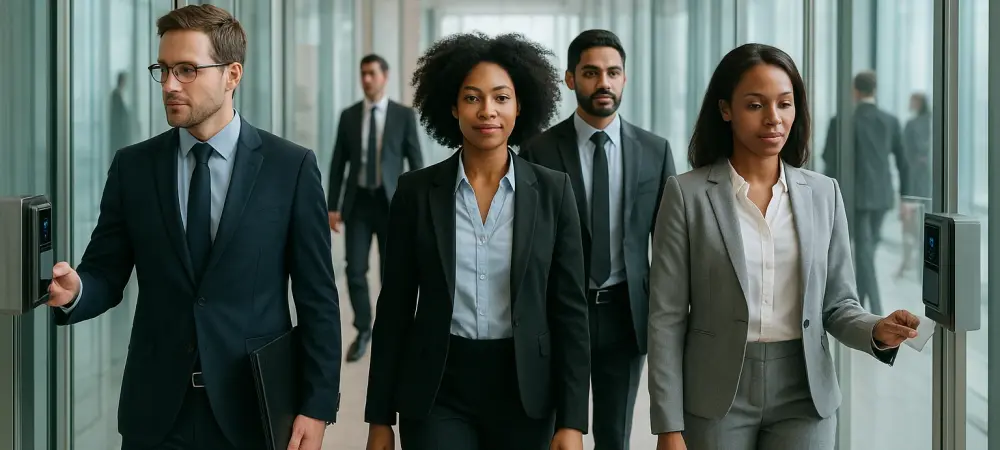
A sudden breach of a corporate facility often stems not from a sophisticated hacking attempt, but from a simple lack of oversight at the main entrance or a misplaced identification badge. Human Resources leaders must now recognize that building access controls serve as a foundational layer of any comprehensive cybersecurity strategy. While the traditional view once relegated physical security to facilities management or separate security teams, the modern landscape demands a more integrated approach where people-centric leaders take the helm. In the current corporate environment, the line between the digital and physical realms has blurred to the point of extinction, making the oversight of office entry points as critical as firewall maintenance. By positioning security as an extension of employee welfare, HR departments ensure that the workplace remains a sanctuary for both innovation and professional growth. This shift represents a transition from reactive administrative management to a proactive leadership model where safety is woven into the fabric of the culture.
Linking Physical Infrastructure with Digital Security
Modern security is no longer siloed into separate categories because a breach in physical defenses often leads directly to a digital catastrophe within a matter of minutes. When unauthorized individuals gain access to an office, they can steal hardware or access sensitive servers, making even the strongest firewalls and encryption protocols largely irrelevant. HR plays a vital role in this ecosystem by overseeing strict access controls that act as the first line of defense against both financial loss and data leaks. By viewing security as a holistic system, HR helps protect the organization from multifaceted risks that target the intersection of human behavior and technology. The department’s ability to manage employee identities and permissions ensures that only vetted personnel can enter high-risk areas, such as data centers or executive suites. This oversight is the primary mechanism for preventing internal threats and accidental exposures that could devastate a firm’s market standing.
The integration of physical and digital safety also requires HR to manage the human factor through continuous training and awareness programs that address modern vulnerabilities. For example, social engineering remains a top threat where intruders exploit the helpful nature of employees to bypass electronic locks or biometric scanners. HR leaders established protocols that emphasize the importance of badge hygiene and the dangers of tailgating, where an unauthorized person follows a staff member through a secure door. By embedding these behaviors into the onboarding process and ongoing performance reviews, HR transformed security from a technical hurdle into a collective responsibility. This cultural shift ensures that every member of the workforce acts as a vigilant guardian of the company’s intellectual property. When security measures are treated as a shared value rather than a burden, the organization achieves a much higher level of resilience against sophisticated physical intrusions that often precede major cyberattacks.
Adapting to the Complexities of Hybrid Work Environments
The transition to remote and hybrid work models has stretched the traditional boundaries of the office into employees’ homes and public satellite spaces across the globe. This decentralized environment requires HR to move beyond managing a single building and instead focus on protecting company assets and personnel across a multitude of disparate locations. By working closely with IT and facilities departments, HR can establish safety protocols that ensure a consistent security posture without compromising the flexibility that employees value in 2026. This coordination involves deploying cloud-based access management systems that allow HR to grant or revoke credentials instantly, regardless of where an employee is stationed. Such agility is essential for maintaining control over hardware that contains sensitive client data and proprietary software. Protecting these assets outside the primary office ensures that the firm’s operational integrity remains intact even as the workforce becomes more mobile.
Furthermore, a direct link exists between an employee’s sense of physical safety and their overall productivity and long-term loyalty to the firm. When staff members see that their employer has invested in modern access control systems and clear safety protocols, it fosters a culture of trust and psychological security. HR’s involvement ensures that these security measures are implemented in a way that feels supportive and protective rather than intrusive or overly monitored. By championing systems that provide digital audit trails, HR can deter misconduct while making employees feel safe in their daily work environment, whether they are in a central hub or a coworking space. This sense of protection is particularly important for late-shift workers or those in urban areas, where physical security acts as a tangible benefit. When employees feel secure, they are more engaged and willing to contribute to the organization’s success, knowing their personal well-being is a top priority for the leadership.
Driving Resilience Through Behavioral Data and Analytics
To finalize the transition, successful Human Resources departments implemented comprehensive audits that synchronized physical badges with network credentials. They collaborated with technical teams to ensure that every sensor data point informed the company’s real estate strategy, resulting in more efficient floor plans and reduced utility costs. HR managers also prioritized the deployment of mobile-first access keys, which removed the friction often associated with traditional keycards and boosted employee satisfaction scores significantly. These leaders analyzed the usage patterns of shared workspaces to provide data-backed recommendations for future facility investments and safety upgrades. By treating security as a dynamic asset, organizations successfully bridged the gap between strict protection and employee autonomy. Every stakeholder recognized that safety was a shared value, which strengthened the overall brand reputation in a highly competitive and fast-paced labor market.
Effective strategies also involved the standardization of emergency response protocols that utilized real-time location data to ensure the safety of all personnel during unforeseen events. HR professionals spearheaded the adoption of automated check-in systems that provided instant accountability during drills or actual emergencies, replacing manual rosters with digital precision. They integrated these physical safety metrics into their annual sustainability and governance reports, showcasing a commitment to ethical management and person-centric security. By leveraging the data generated from smart office sensors, HR teams identified underutilized areas and optimized them for collaborative work, thereby maximizing the value of the physical footprint. These actions shifted the perception of security from a cost center to a strategic driver of organizational health. Moving forward, leaders maintained this momentum by regularly updating their protocols to reflect the changing technological landscape and emerging security threats.