

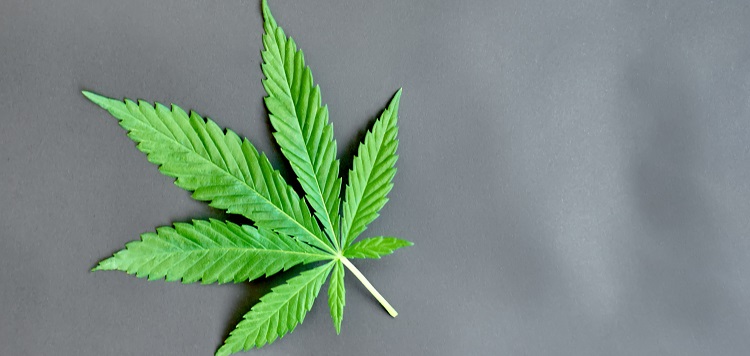
Washington State has passed legislation to prevent discrimination against job applicants who use marijuana recreationally. The bill has been passed by both chambers of the Washington State legislature and now moves to the Senate for a concurrence vote, as the House made minor amendments. The shift in policy acknowledges the growing trend towards decriminalization of marijuana and recognizes the need to keep drug laws in line with current public attitudes. The legislation will make Washington the seventh state to outlaw discrimination against recreational marijuana users, with California set to become the eighth state with legislation planned to come into effect in 2024.
Benefits of the legislation
The sponsor of the bill, Senator Joe Nguyen, argues that it makes no sense to limit Washington State’s workforce by deterring qualified job applicants. In a period with a historically high number of unfilled positions, the legislation will benefit both workers and employers by opening doors for those who may not otherwise apply, ultimately providing a more diverse and skilled workforce. Furthermore, the legislation will remove barriers to employment for people who use marijuana legally.
Details of the legislation
Employers can still maintain drug-free workplaces or specifically prohibit cannabis use, but the legislation prohibits employers from discriminating against job applicants based on the use of marijuana outside of the workplace. Exemptions from the policy include the airline and aerospace industries, positions requiring federal background investigations or security clearances, as well as firefighters, police, and corrections officers. It is important to note that the legislation applies only to job applicants and does not affect employed workers.
Enforcement of the Protections
The House-passed version of the bill mandates enforcement of the protections by the attorney general, following an amendment adopted on Wednesday. This will ensure that employers comply with the legislation and that job applicants’ rights are fully protected.
Other states with similar legislation
Washington State now joins New Jersey, New York, Connecticut, Nevada, Rhode Island, and Montana as the seventh state to prohibit discrimination against recreational marijuana users. California will become the eighth in 2024. The trend towards decriminalization is expected to continue as attitudes towards marijuana use shift, and more and more states recognize the need to adapt their laws in line with changing public opinion.
Washington State’s move to prevent discrimination against job applicants who use marijuana recreationally is a step forward for fairness and equality. It recognizes that the decriminalization of marijuana is an unstoppable trend and that prohibitionist policies are counterproductive, particularly in a tight labor market where employers are struggling to fill positions. The legislation will benefit both workers and employers by opening doors for those who may not otherwise apply, ultimately providing a more diverse and skilled workforce. Overall, this legislation is a promising development that could have a positive impact on employment practices across the country.