

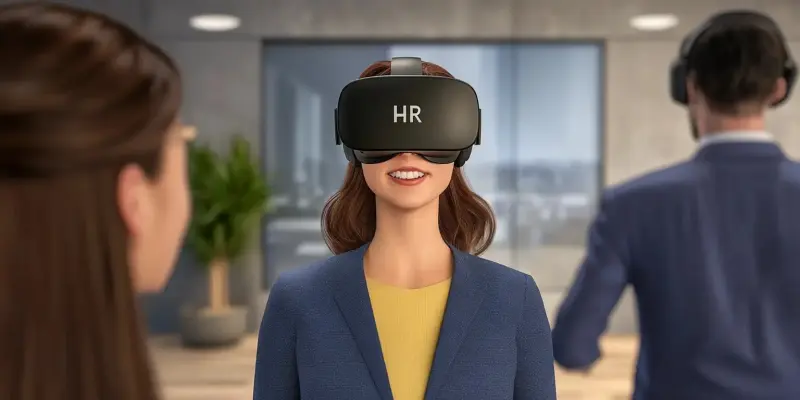
The landscape of Human Resources (HR) is undergoing a significant transformation, driven by the integration of Virtual Reality (VR) into onboarding processes. Traditional onboarding methods, characterized by monotonous paperwork and lengthy presentations, are increasingly being replaced by engaging, immersive experiences that promise to enhance new hire engagement and efficiency. This shift from conventional practices to innovative VR-based solutions marks a pivotal change in how organizations welcome and train their new employees, aiming to create a more engaging and productive introduction to the workplace.
The Need for Change in Onboarding Practices
Traditional onboarding methods have long been criticized for their inefficiency and lack of engagement. New hires often find themselves overwhelmed by the sheer volume of information presented through PowerPoint slides and extensive paperwork. This outdated approach can lead to disengagement, negatively impacting job satisfaction and retention rates. Only a small percentage of employees felt their company’s onboarding process was effective, highlighting the urgent need for modernization.
The shift towards VR in HR tech addresses these issues by offering a more interactive and personalized onboarding experience. By simulating real-world scenarios, VR helps new hires better understand their roles and the company culture, making the transition smoother and more enjoyable. This more engaging method of onboarding ensures that new employees get a comprehensive and enjoyable introduction to their work environment, which can significantly improve their initial experience with the company.
Incorporating VR into the onboarding process not only makes learning more engaging but also allows for a tailored approach to introducing new hires to company-specific practices and expectations. This personalized method of onboarding means that each employee can receive the training and information most relevant to their new role, which can enhance their understanding and efficacy in their new position. The need for more engaging and effective onboarding methods is clear, and VR offers a promising solution to these long-standing issues.
Immersive Company Culture Experiences
One of the most significant advantages of VR in onboarding is its ability to provide immersive introductions to company culture. New hires can virtually tour office spaces, participate in team-building activities, and experience organizational values and practices firsthand. This immersive approach helps new employees feel more connected to their workplace from day one, creating a more seamless and engaging introduction to their new environment that can facilitate a stronger connection to the company.
Moreover, VR can facilitate interactive sessions where new hires can engage with their colleagues and managers in a virtual environment. This fosters a sense of belonging and helps build relationships, which are crucial for a positive onboarding experience. By making the introduction to company culture more engaging, VR ensures that new hires are more likely to embrace and embody the organization’s values. Such an immersive and interactive experience can significantly enhance the initial impressions new employees have of their new workplace.
Additionally, VR’s ability to simulate real-life scenarios allows new hires to experience typical work situations and company interactions in a controlled yet realistic setting. This exposure can help them better understand their roles and the expectations that come with them. By leveraging VR technology, organizations can create a more cohesive and unified onboarding experience, ensuring all employees receive a consistent and thorough introduction to the company’s culture and values. This can ultimately lead to a more aligned and motivated workforce.
Role-Specific Training and Customization
VR’s ability to offer customized, role-specific training is another game-changer in the onboarding process. Traditional training methods often involve generic content that may not be relevant to every new hire. In contrast, VR allows for tailored training programs that focus on the specific skills and knowledge required for each role. This targeted approach ensures that new hires receive the most relevant and practical training for their specific positions, leading to better job performance and satisfaction from the outset.
For instance, a new hire in a customer service position can practice handling various customer scenarios in a virtual environment, gaining practical experience without the risk of real-world consequences. This hands-on approach not only enhances learning but also boosts confidence and preparedness. By providing relevant and effective training, VR helps new hires become productive members of the team more quickly. This immediate practical application of skills can significantly reduce the learning curve and enhance overall job readiness.
Furthermore, the flexibility of VR training allows organizations to quickly and efficiently update training modules as needed. This ensures that the most current and applicable information and procedures are always presented to new hires, maintaining relevance and accuracy in training materials. This adaptability is particularly beneficial in industries that rapidly evolve or face frequent changes in protocols and procedures. By keeping training content up-to-date and role-specific, VR’s customized training modules can enhance the overall efficacy and efficiency of the onboarding process.
Cost and Time Efficiency
Implementing VR in onboarding can lead to significant cost and time savings for organizations. Traditional onboarding processes often require substantial physical resources, travel, and time investments. VR, on the other hand, can simulate real-world scenarios without the need for physical presence, reducing the need for travel and other logistical expenses. This shift to virtual training not only lowers costs associated with physical onboarding but also allows for a more streamlined and efficient use of resources.
Additionally, VR can streamline the training process, allowing new hires to complete their onboarding more quickly. This efficiency not only reduces costs but also enables new employees to start contributing to their roles sooner. Companies like Accenture and Walmart have reported tangible improvements in training efficiency and employee performance through the use of VR, demonstrating its potential to optimize onboarding processes. By accelerating the transition from new hire to productive team member, organizations can benefit from a more agile and responsive workforce.
Moreover, the initial investment in VR technology is often offset by the long-term savings it provides in terms of reduced material costs, travel expenses, and time savings. The reduction in repetitive and resource-intensive training sessions can also lead to a lower overall burden on human resources departments, allowing them to focus on more strategic initiatives. By making onboarding processes more efficient and cost-effective, VR technology supports the development of a more streamlined, effective, and financially sustainable HR strategy.
Engaging Remote Employees
The rise of remote and hybrid work environments has further highlighted the need for innovative onboarding solutions. VR provides a shared, immersive experience that can bridge the gap for remote employees, ensuring they feel integrated and connected to their teams despite the physical distance. This capability is crucial in an increasingly remote work world, enabling companies to maintain a cohesive and engaged workforce no matter where employees are located.
Through VR, remote hires can participate in virtual team meetings, collaborative projects, and social events, fostering a sense of community and belonging. This inclusivity is crucial for maintaining employee engagement and satisfaction in remote work settings. By offering a unified onboarding experience, VR helps remote employees feel more connected to their organization and colleagues. This sense of integration is essential for building a strong, collaborative company culture that transcends physical boundaries.
Additionally, VR can provide remote employees with a simulated experience of the company’s office environment and everyday operations. This exposure helps them understand the company’s dynamics, workflows, and interactions better, making the virtual transition to their new role smoother. By leveraging VR to create a comprehensive and inclusive onboarding process, organizations can ensure that all new hires—regardless of location—receive a consistent, high-quality introduction to their new workplace. This approach not only enhances remote employee engagement but also supports a more diverse and distributed workforce.
Real-World Impact and Success Stories
Human Resources (HR) is undergoing a remarkable transformation, spurred by the integration of Virtual Reality (VR) in the onboarding process. Traditional methods of onboarding, often burdened with tedious paperwork and long-winded presentations, are being increasingly replaced by interactive, immersive experiences. These VR-based methods promise to boost new hire engagement and efficiency significantly. This shift signifies a critical evolution in how organizations introduce and train their new employees, aiming for a more engaging, productive, and memorable introduction to the workplace. By incorporating VR, companies can simulate real-life scenarios, allowing employees to experience and practice their roles in a safe environment before stepping into their actual responsibilities. This not only enhances their confidence but also helps in retaining crucial information more effectively. Moreover, VR onboarding can be tailored to individual learning paces and styles, offering a personalized experience for each employee. As companies continue to adopt this technology, the future of HR appears to be heading towards a more dynamic and innovative approach to employee training and development.