

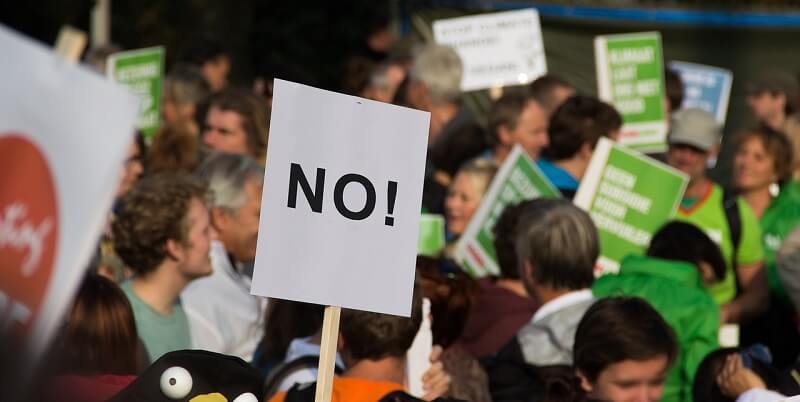
The United Kingdom’s global rating on workers’ rights has seen a significant decline due to crackdowns on worker protections and union rights. This concerning trend has been highlighted in the International Trade Union Confederation’s (ITUC) 2023 Global Rights Index report, which reveals that union busting, curtailment of the right to strike and protest, and violations of collective bargaining agreements have become systematic in the UK.
Findings from the International Trade Union Confederation (ITUC)
In its latest report, the ITUC reveals distressing trends in the UK regarding workers’ rights. The report highlights how union busting, including interference and intimidation tactics, has become particularly prevalent in the country. Additionally, violations of collective bargaining agreements have been observed, eroding the power of workers to negotiate fair wages and working conditions. Furthermore, specific laws that restrict workers’ rights to strike and protest have been implemented, creating significant barriers to collective action and amplifying the vulnerability of workers.
UK’s Decline in Global Rating
These concerning developments have had a massive impact on the UK’s global rating on workers’ rights. The shift from a rating of ‘3’ to ‘4’ places the UK among some of the worst nations globally in terms of failing to adhere to basic workers’ rights and protections. The country now finds itself in the company of nations notorious for their rights abuses, such as Qatar, Vietnam, and Hungary. This decline reflects a worrying regression in the UK’s commitment to ensuring fair and equitable treatment of its workforce.
Concerns regarding the Strikes Bill
One factor contributing to the worsening state of workers’ rights in the UK is the proposed Strikes Bill. This controversial legislation has faced widespread criticism from various quarters, including employers, civil liberties organizations, and the Joint Committee on Human Rights in Parliament. The Trades Union Congress (TUC) argues that if the Strikes Bill is passed, it will further erode workers’ rights and stifle their ability to demand fair treatment. The TUC also warns that the UK risks becoming an international outlier if this bill becomes law.
International criticism of the UK’s stance on workers’ rights
The United Nations’ International Labour Organization (ILO), an authoritative body on workers’ rights, has joined the chorus of criticism directed at the UK government. The ILO has rebuked the UK for its anti-union agenda and emphasized the country’s obligation to respect international law regarding the right to strike. This international scrutiny highlights the growing concern over the UK’s approach to workers’ rights and the need for urgent action.
Criticism of the Strikes Bill
The Strikes Bill, if enacted, would have grave implications for workers’ rights in the UK. One particular concern raised is that the legislation would essentially force workers to cross their own picket lines in sectors deemed “essential.” This provision is seen as a direct attack on the fundamental right to strike and undermines the ability of workers to collectively bargain for improved wages and conditions. The criticism leveled against the Strikes Bill comes from a wide array of sources, demonstrating the broad consensus that the legislation is deeply flawed.
Calls to abandon the Strikes Bill
In light of the mounting opposition, the TUC’s General Secretary has called on ministers to “see sense” and abandon the draconian Strikes Bill without delay. The TUC argues that instead of suppressing workers’ rights, the government should protect and enhance them. The TUC also points to the Welsh Government’s approach to union engagement, which is in stark contrast to the UK Government, as a better model to follow in promoting workers’ rights and securing fair treatment.
The decline in the UK’s global rating on workers’ rights is deeply concerning and signifies a worrying erosion of protections for workers. With crackdowns on worker protections and union rights becoming systematic, the UK is increasingly at odds with international norms and obligations. The UK government must take the criticisms of the Strikes Bill and broader concerns seriously. Respecting the rights of workers and fostering a fair and just working environment should be a priority, ensuring that the UK upholds its commitment to workers’ rights both domestically and on the global stage. Failure to do so risks further marginalizing workers and tarnishing the country’s reputation on the international stage.