

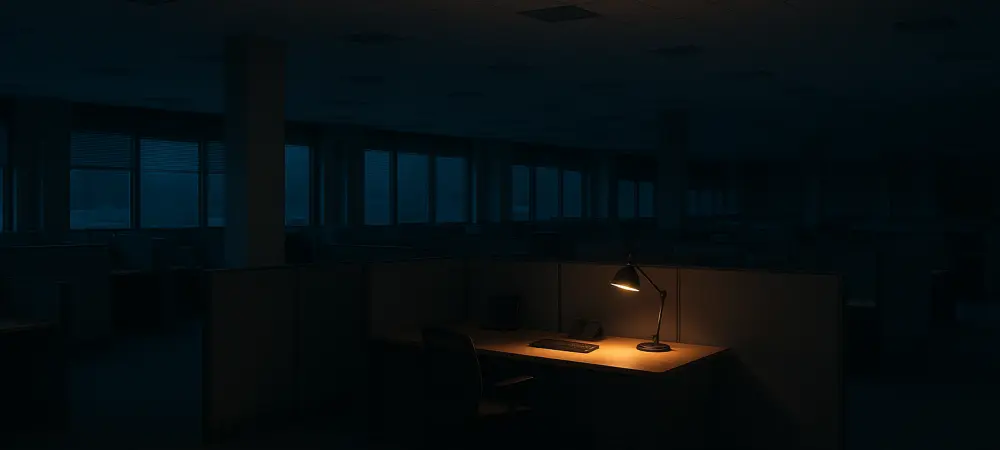
British organizations are currently witnessing a silent exodus of skilled labor as the relentless pressure of modern productivity demands pushes the workforce beyond its psychological breaking point. The UK employment landscape in 2026 reveals that chronic workplace exhaustion is no longer an isolated HR issue but a significant economic drain. This attrition destabilizes operational continuity and erodes the institutional knowledge essential for national growth.
The culture of being always-on, driven by rapid digital transformation, has fundamentally compromised employee performance. C-suite executives and HR practitioners now face a reality where traditional well-being benchmarks fail to capture the depth of the crisis. Finding a balance between output and health is the defining challenge for leaders attempting to navigate the future world of work.
Shifting Dynamics in Workforce Retention and Performance
Emerging Trends in Workplace Exhaustion and Organizational Design
Companies are transitioning away from individual resilience training toward a focus on systemic organizational redesign. The rise of quiet quitting and the departure of high-performing mid-career professionals indicate that internal structures are failing to support human capacity. Employees now prioritize corporate social responsibility and mental health support over traditional incentives.
To combat this, many firms have adopted data-driven burnout monitoring to track workload capacity in real time. This technological approach allows organizations to identify exhaustion patterns before they lead to permanent resignation. By focusing on sustainable design, businesses aim to foster an environment where employees can thrive without sacrificing their personal well-being.
Economic Projections and the Cost of Ineffective Intervention
Data indicates that 44% of staff loss over the past year is attributed to burnout, creating a massive financial burden for the recruitment sector. A significant perception gap remains between leadership and frontline managers regarding the effectiveness of current interventions. While executives remain optimistic, those managing daily operations report a much higher rate of systemic failure. Growth projections from 2026 to 2028 suggest that organizations prioritizing sustainable cultures will significantly outperform their competitors. Talent migration is increasingly moving toward companies that offer the pillars of sustainable performance, such as trust and realistic expectations. Failure to act on these indicators will likely lead to continued productivity deficits across the UK market.
Navigating the Structural Obstacles to Employee Retention
The persistent perception gap between HR leaders and operational managers continues to hinder effective retention strategies. Frontline managers often deal with the fallout of chronic understaffing, where one employee is forced to perform the work of two. This structural imbalance creates a cycle of stress that superficial wellness initiatives simply cannot fix.
Moving beyond basic support requires a reconciliation of high-performance demands with the physical limits of the workforce. Organizations must address the root causes of workload imbalance rather than relying on temporary fixes. Achieving long-term stability necessitates a shift in how work is distributed and how success is measured at every level.
Compliance, Policy, and the Regulatory Landscape of Well-being
UK health and safety regulations are increasingly focusing on psychological risks, creating new legal obligations for employers. Discussions regarding the right to disconnect are shaping potential labor law changes to protect personal time from digital intrusion. These regulatory shifts emphasize the duty of care that companies owe to their staff in a high-pressure environment.
Industry standards now demand better protection of employee data as firms use digital tools to monitor well-being. Legal implications for failing to manage workplace stress have become more severe, prompting a rise in compliance audits. Security measures must be robust to ensure that health monitoring does not compromise the privacy of the workforce.
The Future of Work: Redefining Sustainable Productivity
A human-centric approach to organizational design has become a primary competitive advantage for attracting top talent. While artificial intelligence could alleviate routine strain, it also risks accelerating work to unsustainable speeds if not managed carefully. Leadership training is evolving to emphasize trust and resource allocation as the primary tools for maintaining a healthy staff.
The long-term outlook for the UK talent market depends on the ability of firms to adapt to changing work-life values. Flexible work arrangements are no longer a perk but a necessity for maintaining a stable and productive workforce. Innovation in these areas will define which organizations lead the market through the rest of the decade.
Strategic Recommendations for Long-Term Organizational Stability
The systemic failures that drove talent loss necessitated a total realignment of corporate resources with human reality. Organizations discovered that fair pay, recognition, and operational trust were the only foundations capable of preventing mass burnout. Leaders moved away from temporary wellness perks and chose to redesign roles to fit realistic workload capacities. The industry decided to implement stricter staffing ratios and enforced downtime to protect the health of high-performers. Managers prioritized transparent communication and resource management to rebuild the trust that had been eroded by previous years of overextension. These steps transformed the workplace into a sustainable environment, ensuring long-term growth and employee loyalty for the years ahead.