

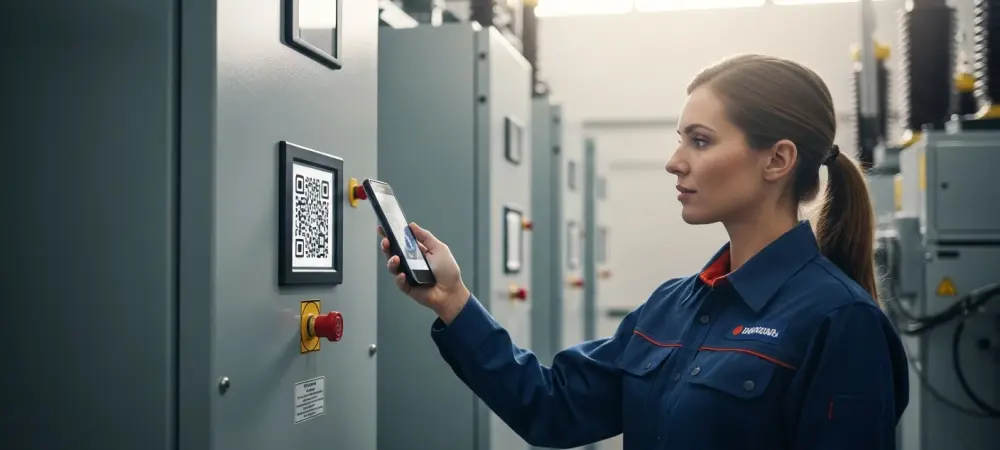
The modern global economy rests upon the shoulders of millions of individuals whose daily labor remains largely invisible until a crisis forces the world to acknowledge its dependency on them. While corporate headquarters have spent the last decade perfecting the digital experience for office-based employees, the operational workforce—drivers, cleaners, and technicians—frequently navigates a technological wasteland. This paradox of the “essential worker” highlights a systemic failure where those who absorb the highest physical and operational risks are often the least supported by the enterprise software meant to protect and manage them. As global volatility becomes a permanent fixture of the business landscape, the shift toward specialized frontline infrastructure is no longer a luxury but a fundamental requirement for survival.
The Infrastructure Gap: Data and Adoption Trends
Measuring the Disconnect in HR Technology Investment
A stark reality exists within the financial allocations of modern human resources departments, where a massive disproportion in spending continues to hinder operational efficiency. Although frontline employees comprise approximately 70% of the global workforce, they typically receive only a tiny fraction of the total investment directed toward enterprise software. Most legacy systems were built by desk-bound engineers for desk-bound users, leaving the mobile, active worker to fend for themselves with tools that are ill-suited for the field. This neglect results in a fragmented ecosystem where the very people responsible for a company’s physical output are disconnected from its digital brain.
Furthermore, the lack of official platforms has forced these workers to rely on informal, consumer-grade communication tools like WhatsApp or Telegram to coordinate tasks. While convenient, this reliance creates dangerous data silos and significant security risks for the organization. Without a centralized, secure infrastructure, leadership remains blind to real-time challenges, leading to higher turnover and lower engagement scores. Data suggests that organizations failing to implement dedicated frontline platforms see significantly higher attrition compared to those that prioritize specialized mobile-first solutions.
Real-World Applications and the Shift to Operational Visibility
Recent disruptions at major global transit hubs, such as Dubai International Airport, served as a wake-up call for the necessity of robust labor coordination. When regional instability or environmental crises ground flights, the focus usually lands on the stranded passengers, yet the real story lies with the thousands of migrant workers tasked with restoring order. In the Gulf region, where migrant labor forms the backbone of the private sector, the absence of real-time mobilization tools during such events can lead to operational paralysis. These moments demonstrate that “resilience” is not a corporate buzzword but a direct result of how effectively a company can communicate with its ground-level staff.
In response, logistics and service-oriented firms are aggressively moving away from manual, paper-based subcontracting toward sophisticated real-time verification systems. The evolution of the product landscape has given rise to workforce platforms like Firstwork, which prioritize rapid mobilization and credential verification over simple payroll processing. These systems allow companies to verify the safety and compliance of a massive workforce in minutes rather than days. This shift ensures that in a crisis, the right person is in the right place with the right permissions, transforming labor from a static cost into a dynamic, manageable asset.
Perspectives from the Field: Expert Insights on Workforce Resilience
Industry leaders are increasingly vocal about the need to transition the “essential” label from a rhetorical gesture into a concrete budgetary priority. There is a growing realization that calling a worker essential without providing the digital tools to ensure their safety is a failure of leadership. Experts argue that the structural invisibility of the operational workforce is a liability that can no longer be ignored. By formalizing the digital presence of these workers within the enterprise, companies not only improve efficiency but also uphold a higher ethical standard for labor rights and safety.
Technological leaders, including CTOs like Shubham Choudhary, emphasize that real-time support systems are the primary drivers of organizational growth in volatile markets. According to this perspective, when a worker feels supported by a system that provides clear guidance and immediate feedback, their productivity and loyalty increase. The consensus among field experts suggests that the current “digital divide” is not just about access to the internet, but about the quality of the interface between the human worker and the corporate machine. Formalizing these connections is the only way to build an organization capable of withstanding the shocks of a modern economy.
The Future of Frontline Systems: Evolution and Implications
The trajectory of workforce management is moving rapidly from “static scheduling” to “dynamic mobilization,” where the ability to redeploy labor at a moment’s notice becomes a competitive advantage. In the coming years, we will see a shift toward platforms that use predictive analytics to anticipate labor needs before a crisis reaches its peak. This evolution will allow managers to move hundreds of workers across different sites or tasks within hours, ensuring that essential services never falter. Such agility will become the hallmark of successful firms in sectors ranging from hospitality to heavy manufacturing.
Bridging the digital divide also carries profound long-term benefits for the broader economy and labor rights. By integrating frontline workers into formal digital frameworks, organizations provide them with a verifiable professional history and a direct line to safety protocols. This visibility reduces the risk of exploitation and ensures that labor standards are upheld even in decentralized or subcontracted environments. However, this transition is not without challenges; companies must navigate the complexities of digital literacy and the varying technological comfort levels of a vast, diverse workforce. Evaluating the economic impact reveals that treating frontline labor as a core strategic asset rather than an operational “edge case” leads to more sustainable growth. Organizations that invest in human-centric infrastructure are better positioned to handle geopolitical shifts and environmental disruptions. The move toward specialized systems represents a fundamental rethinking of what it means to be a “data-driven” company. It turns out that the most valuable data is not found in a spreadsheet, but in the real-time status and safety of the people who make the economy function.
Conclusion: Redefining Resilience through Human-Centric Infrastructure
The systemic neglect of frontline technology had long created a fragile foundation for the global economy, as evidenced by the recurring disconnect between corporate strategy and operational reality. Investigations into the “essential paradox” revealed that true resilience was never contained within a policy manual or a boardroom presentation; it lived within the systems that supported the individuals who arrived at work when normalcy collapsed. Organizations that recognized this shift early on moved away from treating their most critical personnel as invisible entities, instead placing them at the center of their digital transformation efforts.
Moving forward, the focus must shift toward creating interoperable ecosystems that prioritize the dignity and safety of the worker as much as the efficiency of the task. HR leaders and policymakers began to view investment in specialized infrastructure as a form of risk mitigation that paid dividends in both human and financial capital. By implementing tools that offered real-time verification and direct communication, companies finally closed the gap between the desk-bound office and the active field. The transition toward a more inclusive technological framework ensured that the invisible workforce was finally seen, supported, and empowered to navigate an increasingly unpredictable world.