

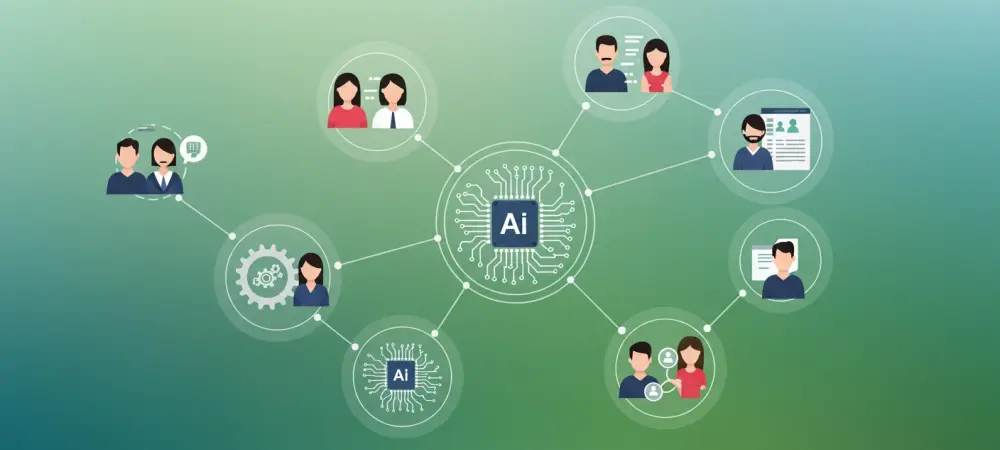
Artificial intelligence is reshaping tech talent management, revolutionizing how organizations recruit and develop their workforce. The need for precise, efficient, and unbiased hiring has propelled AI from a futuristic concept to a key component of modern recruitment strategies. By leveraging sophisticated algorithms, companies aim not only to streamline candidate selection processes but also to nurture talent in an increasingly competitive market. This analysis explores the rising trend of AI-driven strategies in technical hiring, industry insights, and expert perspectives, pointing to future implications for the tech industry.
The Rise of AI in Technical Hiring
Adoption Rates and Growth Trends
There is an unprecedented surge in AI utilization for tech talent strategies. Recent data indicate a significant increase in AI adoption across organizations, with many businesses realizing the benefits of integrating AI into their hiring processes. According to industry reports, AI hiring tool usage has risen dramatically, illustrating a clear shift toward automated recruitment systems. Organizations today are implementing AI not just to speed up hiring but to enhance application evaluations with greater precision.
Real-World Applications and Innovations
AI-driven strategies are not mere theories but tangible practices being used successfully worldwide. Companies like HackerRank are pioneering in this arena through innovative solutions like the ASTRA benchmark, which evaluates foundational models for real-world problem-solving efficacies. Additionally, products such as AI interviewers demonstrate human-like interactions with candidates, offering contextual guidance based on the applicant’s performance, ensuring more accurate skill assessments. These advancements showcase AI’s transformative role in refining how companies approach recruitment and skill evaluations.
Industry Insights and Expert Opinions
Industry experts have shared varied perspectives on the integration of AI in tech talent acquisition. Leaders in HR technology emphasize AI’s potential to eliminate biases and improve efficiency. However, they also underline challenges like the need for ethical practices and robust data validation. Experts suggest organizations should adapt to AI’s rapid evolution, ensuring employees are trained alongside innovative tools to maximize AI benefits without compromising human oversight. Their analysis contributes essential understanding to the delicate balance of AI integration and workforce interaction.
Future Outlook on AI-Driven Strategies
Looking ahead, the potential for AI in recruitment extends beyond current applications. Experts predict advancements leading to even more efficient candidate evaluations, enhanced by machine learning and adaptive algorithms. However, the promise of increased efficiency is tempered by ethical concerns in human resources, urging caution in AI implementation. The broader implications suggest that industries could witness a paradigm shift, creating both opportunities and challenges, requiring strategic management and responsible AI policies to maintain balanced human-AI collaboration.
Conclusion
Key points from the analysis underscore AI’s integral role in modernizing tech talent strategies, propelling recruitment and development into a new era. Reflecting on these insights, it becomes evident that organizations should continue addressing the balance between AI efficiency and ethical considerations. As AI applications evolve, fostering environments where human intelligence and artificial intelligence converge is vital. By responsibly integrating AI into tech talent practices, companies can create robust and fair hiring processes, enhancing their ability to thrive in a competitive technology landscape.