

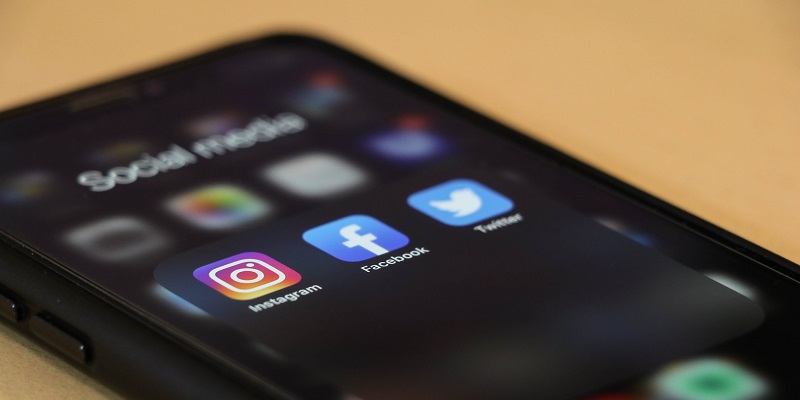
Employee recognition programs are crucial for the success of any organization. Recognizing and appreciating employees’ efforts can help to keep them motivated, engaged, and productive. Employee recognition can come in many different forms, such as awards, bonuses, promotions, or public recognition. With the growing use of social media in our daily lives, companies can now use these platforms to instill a sense of pride and loyalty among their workforce.
The role of social media in employee recognition
Social media platforms are among the most effective venues for recognizing employee efforts. With billions of users worldwide, social media platforms offer a unique opportunity for companies to showcase their employees’ hard work and dedication, not just within their organization, but to their audience and potential customers as well.
Various forms of employee recognition programs
As mentioned earlier, there are many forms of employee recognition programs. Some companies offer monetary rewards such as bonuses or raises, while others offer promotions or education and training opportunities. However, these traditional methods of recognition may not be effective in all cases, especially in today’s workforce where the younger generation prioritizes feeling valued and appreciated over monetary benefits. Therefore, companies need to look for alternative and innovative ways to recognize their employees’ efforts.
Using social media to foster pride and loyalty among employees
One way that companies can recognize their employees’ efforts is by using social media platforms. Companies can use their social media accounts to showcase their employees’ achievements and accolades, which will foster pride and loyalty among their staff members. When employees feel proud of themselves and their company, they are more likely to feel motivated and engaged with their work, leading to better outcomes and higher job satisfaction.
Six Social Media Strategies for Employee Recognition and Engagement
Here are six social media strategies that companies can use to recognize and engage their employees:
1. Share employee testimonials on social media.
2. Spotlight employee achievements and milestones, such as work anniversaries or promotions.
3. Recognize employees who have gone above and beyond through public posts or internal newsletters.
4. Create a hashtag for employee recognition to share employee accomplishments.
5. Hold social media contests that have employee recognition as a prize.
6. Showcase company events and activities that recognize employee efforts.
Celebrating Employees’ Professional Milestones on Social Media
Employers can use company social media platforms to celebrate employees’ professional milestones, such as promotions, successful projects, and other significant achievements. Posting these milestones on social media will not only inspire the employees who receive the recognition, but it will also inspire their colleagues to strive for similar accomplishments.
Peer-to-peer recognition on social media platforms
Social media platforms are also an excellent venue for peer-to-peer recognition. Encouraging employees to recognize and appreciate their colleagues’ efforts through social media can create a positive work environment and improve teamwork. Moreover, it helps boost employee morale across the company.
Using social media to share relevant company news and updates
Use your social media platforms to share company news and updates that are relevant to your team’s daily experience. By doing so, you demonstrate that your employees are part of a larger conversation. Seeing the company’s progress and growth on social media builds a sense of pride and belonging among employees.
The link between employee recognition and work performance
Employees who feel respected and appreciated are likely to perform better and are more likely to remain with the company in the long term. By recognizing and appreciating employees’ efforts, companies can reduce employee turnover and save money on recruitment and training costs.
Creating a positive office culture where employees thrive
Establishing an office culture where employees are happy to come to work can be a powerful asset in retaining top talent. Showing appreciation, encouraging teamwork, and recognizing achievements can foster a positive and productive work environment.
In conclusion, social media platforms are effective tools for recognizing and engaging employees. By using social media to showcase employee achievements and milestones, companies can foster a positive work environment, employee loyalty, and productivity. Implementing social media strategies for employee recognition can have a significant impact on employees’ overall job satisfaction, motivation, and retention rates.