

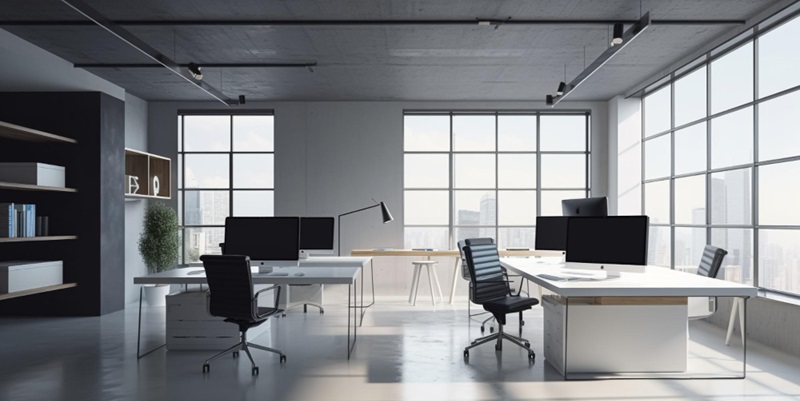
As the world rapidly evolves, so do our attitudes towards traditional office spaces. Renowned architect Christian Giordano predicts that the offices of the future will become highly customized to meet the unique needs of individual companies. This article explores the changing dynamics of office spaces, the benefits of hybrid schedules, the need for private enclaves, the drawbacks of solely virtual careers, the trend towards consolidated amenity hubs, and the significance of creating offices that reflect corporate culture.
Changing Attitudes Towards Traditional Offices
In congested urban areas like New York City, many employees have lost enthusiasm for the daily commute to traditional offices. The notion of schlepping into the office five days a week has become less appealing, prompting businesses to seek alternative approaches that foster engagement, productivity, and work-life balance.
The Benefits of Hybrid Schedules
Giordano has observed that hybrid schedules, which blend remote work with occasional office days, can significantly enhance productivity in certain industries, such as architecture. Such schedules offer employees flexibility and freedom, while also allowing for collaborative in-person interactions when necessary.
The Need for Private Enclaves
To adapt to hybrid schedules and enable efficient workflows, offices are incorporating more private enclaves. These designated spaces provide workers with quiet places for important Zoom calls and focused work without the distractions of nearby colleagues. Creating an environment that balances collaboration and privacy is key to maintaining productivity and employee satisfaction.
The drawbacks of solely virtual careers
While remote work has proven efficient in certain cases, Giordano notes that solely virtual careers can have their downsides, particularly for new hires. The absence of physical interactions and mentorship opportunities can hamper the growth and development of employees, leading to a lack of connection with the company’s culture and values.
The Trend Towards Consolidated Amenity Hubs
In the past, office buildings featured scattered amenities like gyms and cafes. However, there is now a noticeable trend towards consolidated amenity hubs. Ground floors or rooftops are transformed into vibrant spaces that offer a range of amenities, from barista coffee bars to bowling alleys and music studios. These hubs serve as communal spaces where employees can unwind, socialize, and recharge, promoting a healthy work-life balance.
Creating Spaces that Reflect Corporate Culture
Beyond understanding employee workflows, Giordano emphasizes the importance of designing spaces that align with the corporate culture of the organization. When offices mirror the company’s values, mission, and personality, they become beloved places to work, imbued with a sense of identity and purpose. Such spaces foster creativity, collaboration, and a strong sense of belonging among employees.
The future of office spaces lies in customization, flexibility, and reflecting corporate culture. The shift towards hybrid schedules, the integration of private enclaves, the consolidation of amenity hubs, and the creation of spaces that mirror company culture are all crucial elements to consider. By doing so, businesses can create offices that are not soulless spaces but rather vibrant and purposeful environments that inspire innovation, nurture talent, and drive success. By adapting to the evolving needs and preferences of employees, organizations can not only retain their top talent but also attract new talent seeking a fulfilling and engaging work environment.