

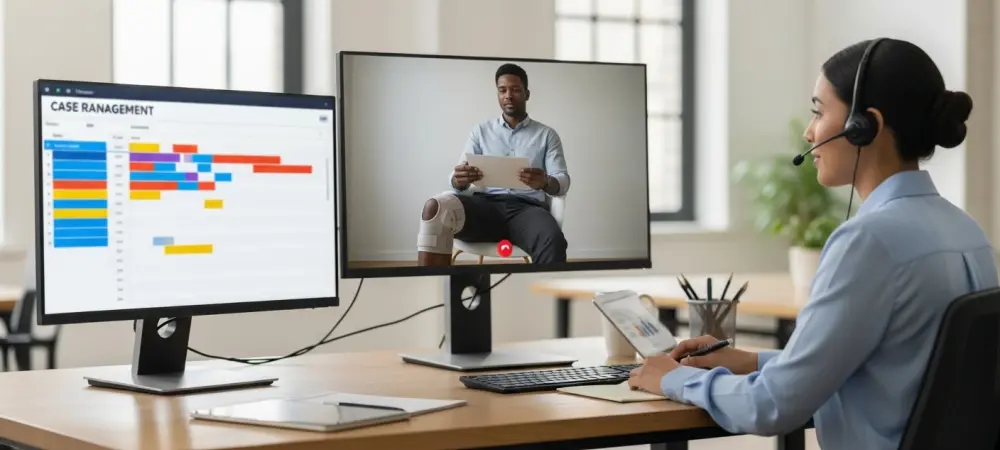
Sudden pain in the knee on a warehouse floor or a misstep on office stairs can derail a workday, unsettle a career plan, and spark a chain of decisions that either supports recovery or compounds harm for months to come. A knee injury tests policies, leadership, and culture at the exact moment an employee worries about mobility, money, and job security. The strongest responses treat the event as both a health and management challenge: stabilize stress early, map a clear path through treatment, and create conditions for a confident return. That balance depends on humane leadership paired with precise processes. It involves rapid, empathetic outreach; clear benefits guidance; targeted clinical support; and job adjustments grounded in actual functional limits. When those elements align, absence shortens, claims proceed without friction, and confidence in leadership rises—turning a setback into proof that people and performance can advance together.
See the Whole Person, Not Just the Injury
Knee injuries rarely stay in the joint; they reshape daily life, from commuting and stairs to sleep and mood, and they often dent confidence at work. A person-centered plan starts by mapping what matters most to the employee: pain control, predictable income, therapy access, and clarity on role security. Practical moves make the difference. Offer telehealth physiotherapy within days, provide a knee-friendly chair with adjustable seat height and lumbar support, and arrange reserved parking near accessible entrances. For roles that require standing, add anti-fatigue mats and staggered microbreaks to reduce load. Connect the employee to counseling if anxiety or disrupted sleep slows progress. When leaders pair tangible help with transparent timelines, employees engage in rehab, communicate early about setbacks, and step back into duties with steadier morale and realistic expectations.
Communicate Early and Be Transparent
Speed and tone set the course. A same-day call from the manager—compassionate, structured, and free of pressure—lowers anxiety and opens two-way planning. From there, a cadence matters: weekly check-ins for the first month, then biweekly until return. Each touchpoint should include plain-language updates on sick pay rules in the HRIS, how to submit medical notes via a secure portal, and referral options through occupational health. Share a one-page roadmap that describes decision points—fit notes, work capacity assessments, expected review dates—and invite edits from the employee. If consent permits, coordinate with the clinician to translate restrictions into workable tasks. Document decisions in the case-management system so nothing is lost when supervisors change or shifts rotate. Transparency prevents rumor and resentment, turning a potentially adversarial process into a predictable, humane sequence.
Manage Absence for Well-Being, Not Penalties
Rigid triggers can push employees to return before their knee can tolerate stairs, uneven ground, or prolonged standing—creating relapses that cost more time. A well-being model starts with capacity, not attendance targets. Fast-track access to evidence-based physiotherapy, using provider networks that offer early appointments and app-based home exercise tracking to improve adherence. Allow flexible scheduling for rehab, then rebalance workloads across the team using task rotation and temporary cross-coverage. Where pain flares, short-term adjustments—like seated workstations, footrests, or remote administrative tasks—keep skills engaged without risking setbacks. Hold managers to measurable behaviors: timely check-ins, documented accommodations, and escalation to occupational health when progress stalls. This approach stabilizes income, maintains professional identity, and reduces future claims, demonstrating that policy can be firm on outcomes yet humane in method.
Plan a Safe, Phased Return With Realistic Adjustments
A safe return depends on matching duties to function, not on an arbitrary calendar. Begin with a clinician-informed capacity note that converts restrictions—no squatting, limited ladder use, max standing of 30 minutes—into concrete adjustments. Build a phased schedule, for example 50 percent hours in Week 1 with desk-based tasks, 75 percent in Week 2 with controlled site walks, then full hours only after strength and gait tests improve. Equip workstations with height-adjustable desks, keyboard trays, and chairs with tilt control to reduce knee flexion stress. In operations roles, deploy lift-assist devices and powered pallet jacks to cut load. Review progress every 7–10 days, using a brief functional checklist and the employee’s confidence rating. Adapt the plan rather than forcing a relapse. A shared document—accessible to HR, the manager, and the employee—keeps expectations aligned and reduces avoidable friction.
Integrate Compensation and Prevention Into a Culture of Care
When the injury is work-related, handle compensation as part of support, not a separate battle. Explain coverage, timelines, and required forms in clear terms, then assign a single point of contact who coordinates bills, therapy authorizations, and modified duty approval. Keep every step traceable in a centralized case file, including incident reports and corrective actions. Prevention starts where the incident happened: conduct a root-cause review within days, then fix hazards—better lighting for stairs, anti-slip nosing, or adjustable workbench heights. Deliver targeted training in safe manual handling and task setup, and audit compliance during routine safety walks. Simple tools matter: knee-friendly floor mats, stool-perch options for roles with static standing, and pick-path redesigns that cut twisting. Over time, this culture tightened retention, improved reporting, and reduced repeat injuries by making safety and fairness the default rather than the exception.