

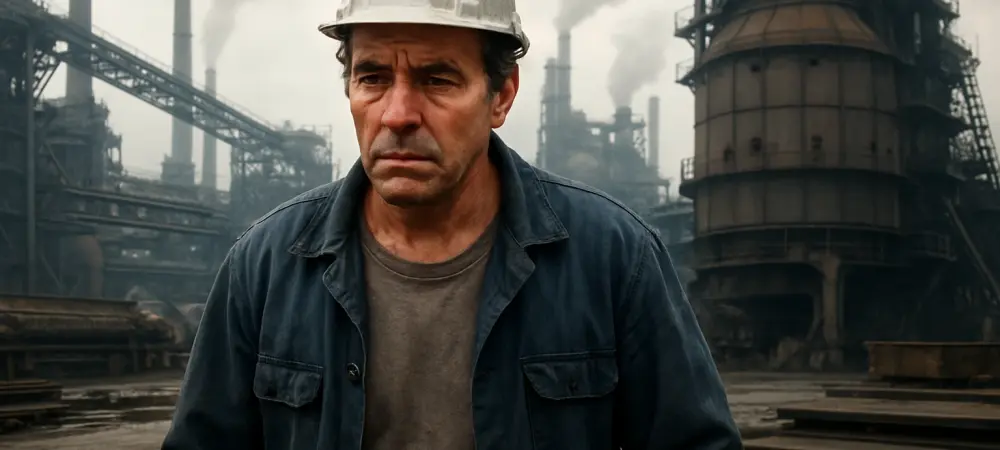
A major player in the steel processing industry, Precision Strip Inc., stands accused of cheating hundreds of hourly workers out of rightful overtime pay. Based in Ohio, this corporate giant serves vital automotive and industrial sectors, yet a federal lawsuit filed on November 6, 2025, paints a troubling picture of systemic wage violations spanning multiple states, raising questions about fairness in an industry built on hard labor. What does this mean for workers who depend on every earned dollar, and how deep do these issues run? This unfolding story demands attention as it challenges the integrity of labor practices in heavy manufacturing.
A Steel Titan in the Spotlight: Unpaid Overtime Claims Emerge
Precision Strip Inc., known for processing steel, aluminum, and copper, has found itself under intense scrutiny following a lawsuit initiated by former employee Nathan Diehl. Filed in the Northern District of Ohio, the case alleges that the company shortchanged overtime payments to workers across six states: Ohio, Indiana, Kentucky, Michigan, Tennessee, and Alabama. If granted class-action status, this legal battle could represent hundreds of current and former employees, spotlighting potential cracks in wage compliance at a firm integral to national supply chains.
The significance of this case extends beyond a single company. It reflects a broader struggle for hourly workers in industries where long shifts and complex pay structures are the norm. With labor laws under the microscope, the outcome could set a precedent for how overtime is calculated and enforced, impacting not just Precision Strip but countless other employers. This isn’t merely a legal dispute—it’s a test of workplace equity in a sector that powers the economy.
The Bigger Picture: Why Wage Fairness Matters More Than Ever
Hourly workers across the nation face mounting financial pressures as living costs soar, making every paycheck crucial. Disputes over unpaid overtime, like those alleged at Precision Strip, strike at the heart of trust between employers and employees. National data from the U.S. Department of Labor indicates that wage and hour violations result in billions of dollars in back pay annually, with manufacturing often among the hardest-hit sectors due to intricate compensation systems.
This growing concern isn’t limited to one lawsuit or industry. Regulatory bodies and employee advocacy groups have ramped up efforts to ensure compliance, with a 30% increase in wage-related investigations over the past two years, according to recent labor statistics. For workers, fair pay isn’t just a legal right—it’s a lifeline. The Precision Strip case serves as a stark reminder of the stakes involved when payroll practices fall short of federal standards.
Unpacking the Charges: What’s Behind the Lawsuit?
At the core of the legal action against Precision Strip are two damning accusations. The first centers on the exclusion of shift premiums and production bonuses from overtime pay calculations. Federal law mandates that an employee’s “regular rate of pay” must include such additional compensation when determining overtime rates, typically set at one and a half times the base rate. The lawsuit claims this omission led to significantly reduced earnings for workers logging extra hours.
The second issue involves a time-rounding system allegedly designed to benefit the employer. Despite access to precise time-tracking technology, the company is accused of shaving minutes off recorded work hours, ignoring time spent on critical pre-shift tasks like donning safety gear or completing handoffs. Based on specifics from Nathan Diehl’s tenure at the Perrysburg, Ohio facility, these practices could affect employees across multiple locations, amplifying the potential financial fallout for Precision Strip if the allegations hold in court.
Hearing from the Frontlines: Worker Stories and Legal Perspectives
Nathan Diehl, who worked in production roles such as package technician and material handler at Precision Strip’s Perrysburg plant from April 2023 to June 2024, has become the face of this fight. His assertion of willful violations suggests not mere oversight but deliberate actions by the company to underpay staff. If a court finds evidence of intentional misconduct, federal law allows for liquidated damages, potentially doubling the back wages owed to affected employees—a hefty penalty for any employer.
Labor law experts weigh in with critical context, emphasizing that U.S. Department of Labor regulations demand neutrality in timekeeping systems over extended periods. Any consistent bias toward the employer, as alleged in this case, violates established guidelines. These expert insights, paired with firsthand accounts from workers like Diehl, underscore the gravity of the claims and the legal tightrope Precision Strip now walks as the case progresses.
Steps to Ensure Fair Pay: Lessons for All Stakeholders
The allegations against Precision Strip offer a wake-up call for both employers and employees in industries reliant on hourly labor. For companies, proactive measures are essential—starting with comprehensive audits of payroll systems to confirm that overtime calculations account for all forms of compensation, including bonuses and shift differentials. Additionally, timekeeping policies must be reviewed to eliminate any bias, and legal counsel should be engaged to ensure alignment with federal and state labor laws.
Employees, meanwhile, can take charge by educating themselves on their rights under the Fair Labor Standards Act, which governs overtime and minimum wage standards. Keeping detailed records of hours worked, including pre- and post-shift activities, can serve as vital evidence if discrepancies arise. For both parties, the Precision Strip case highlights the importance of transparency and accountability in maintaining a fair workplace, especially in high-demand sectors like steel processing.
Reflecting on a Battle for Justice
Looking back, the lawsuit against Precision Strip Inc. exposed deep concerns about wage practices in an industry that thrives on the dedication of its workforce. The claims of underpaid overtime and biased timekeeping sparked a broader conversation about labor fairness, resonating with countless hourly workers who faced similar struggles. The legal fight, led by Nathan Diehl, became a symbol of the push for accountability in corporate payroll systems.
As the case moved through the courts, it prompted employers to reexamine their compliance strategies, fearing similar repercussions. For workers, it served as a reminder to remain vigilant and informed about their rights. Moving forward, the hope was that such disputes would drive systemic change, encouraging stricter adherence to labor laws and fostering trust between companies and their employees. The ultimate resolution of this case was poised to influence policies and practices for years to come, ensuring that fair pay remained a cornerstone of industrial workplaces.