

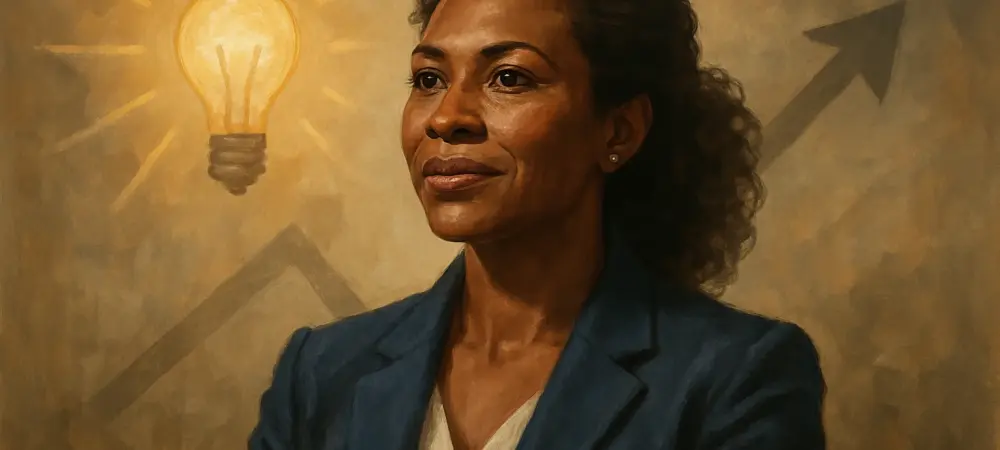
Today, we’re thrilled to sit down with Ling-Yi Tsai, a renowned HRTech expert with decades of experience helping organizations transform through technology. With a deep focus on HR analytics and the seamless integration of tech in recruitment, onboarding, and talent management, Ling-Yi has a unique perspective on what makes a leader truly brilliant. In this conversation, we dive into the psychological traits and behaviors that set exceptional leaders apart, exploring how curiosity, emotional intelligence, adaptability, and a willingness to embrace uncertainty can elevate leadership from good to extraordinary.
How do you define what makes a leader truly brilliant, beyond just being a competent boss?
I think a brilliant leader stands out because they inspire growth in everyone around them, not just through directives but by example. They’re not obsessed with having all the answers; instead, they focus on asking the right questions and fostering an environment where others feel safe to contribute. A competent boss might get the job done, but a brilliant leader transforms the way people think and work together. It’s about creating a ripple effect of innovation and trust.
What specific qualities do you believe separate brilliant leaders from the rest?
For me, it’s a mix of intellectual humility, curiosity, and emotional intelligence. Brilliant leaders aren’t afraid to admit when they don’t know something—they see it as a chance to learn. They’re relentlessly curious, always digging deeper into problems or ideas. And their ability to read emotions, both their own and others’, helps them build genuine connections. These qualities aren’t just nice-to-haves; they’re what drive sustainable success in teams.
Can you share a story of a leader you’ve encountered who exemplified brilliance, and what made them stand out?
Absolutely. Early in my career, I worked under a senior executive who completely changed my view of leadership. During a major project rollout, we hit a technical snag none of us anticipated. Instead of pretending to have a solution, she openly said, “I’m not sure how to tackle this—let’s figure it out together.” She pulled the team into a brainstorming session, listened to every idea, and we ended up with a creative workaround. Her willingness to be vulnerable and collaborative made us all feel valued and pushed us to think outside the box.
The idea of admitting ‘I don’t know’ is often linked to brilliant leadership. How do you personally approach showing uncertainty in a leadership role?
I’ve always believed that saying ‘I don’t know’ is a strength, not a weakness, as long as it’s paired with a commitment to find out. In my work with HRTech, there are constantly new tools and trends emerging. If I don’t know something, I’m upfront about it and use it as an opportunity to engage my team or peers in problem-solving. It builds trust because people see you’re genuine, not just posturing for authority.
Can you recall a time when admitting you didn’t have the answer led to a better outcome?
Yes, a few years ago, I was leading the integration of a new HR analytics platform, and we hit a roadblock with data compatibility. I didn’t have a fix and admitted it to the team. That honesty opened the door for a junior analyst to suggest a workaround based on a tool they’d recently explored. It ended up saving us weeks of trial and error. If I’d pretended to know everything, we might have missed that insight.
Curiosity is often described as a hallmark of brilliant leaders. How do you keep that sense of wonder alive in your daily work?
I make it a habit to step outside my comfort zone regularly. In HRTech, things move fast, so I’m always reading up on emerging trends, even if they’re not directly tied to my current projects. I also ask ‘why’ a lot—why does this process work this way, or why hasn’t this been tried before? It’s about staying open to new perspectives and not assuming I’ve seen it all.
Emotional intelligence is another key trait for brilliant leaders. How do you tune into the emotions and dynamics around you during interactions?
I pay close attention to non-verbal cues—body language, tone, even silences. In meetings, I watch for shifts in energy. If someone seems hesitant, I might ask an open-ended question to draw them out. It’s also about checking my own emotions; if I’m frustrated, I take a moment to reset so it doesn’t cloud my judgment. Over time, I’ve learned that empathy isn’t just feeling for others—it’s acting on that understanding to create a better outcome.
Adaptability without ego is often a sign of brilliance. How do you handle shifting your perspective or strategy when new information comes to light?
I see adaptability as a core part of leadership, especially in tech-driven fields like HR. When new data or feedback comes in, I’m ready to pivot, even if it means scrapping a plan I was attached to. It’s about focusing on the goal, not my pride. I’ve found that surrounding myself with people who challenge my ideas helps me stay flexible—I actively seek out dissenting opinions to test my thinking.
Listening with intent is a powerful skill for leaders. How do you ensure you’re fully present when engaging with your team or colleagues?
I prioritize being in the moment. That means putting away distractions—no checking emails during conversations—and focusing on what’s being said, not just planning my response. I often paraphrase what I’ve heard to confirm I’m on the same page. It’s a simple trick, but it shows I’m engaged and helps me process the information more deeply. In high-pressure situations, I remind myself that listening is often more valuable than speaking.
What’s your forecast for the future of leadership, especially in tech-driven environments like HR?
I believe leadership in tech-driven spaces like HR will increasingly hinge on a blend of human-centric skills and data fluency. Leaders will need to be even more curious and adaptable as AI and analytics reshape how we work. Emotional intelligence will remain critical—technology can’t replace the human connection that builds trust. My forecast is that the most brilliant leaders will be those who can balance leveraging cutting-edge tools with fostering a culture of collaboration and learning. It’s an exciting time, but it’ll demand a lot of agility.