

The subtle yet relentless drain on workplace productivity is often attributed to burnout, inefficient processes, or poor management, yet a far more fundamental factor is frequently ignored right in the office kitchen. While organizations are progressively investing in complex wellbeing initiatives ranging from mental health applications to flexible work schedules, the physiological foundation of employee performance—nutrition—remains a significant blind spot. The food consumed throughout the workday, particularly snacks, serves as the direct fuel for cognitive function, emotional stability, and physical stamina. Consequently, Human Resources leaders and company executives must begin to view nutrition not as a peripheral personal choice but as a powerful, strategic lever for enhancing focus, sustaining energy, and cultivating a genuinely high-performing and resilient workforce. This shift in perspective moves beyond traditional wellness perks to address the core biological needs that dictate an employee’s ability to engage, innovate, and consistently deliver their best work.
The Immediate Impact of Nutrition on Daily Work
The Science Behind the Afternoon Slump
The human brain, an organ responsible for complex problem-solving, creativity, and critical thinking, is incredibly energy-intensive and demands a constant, stable supply of fuel to operate optimally. When employees turn to common office snacks laden with processed ingredients and refined sugars, they initiate a volatile physiological response. These foods cause a rapid surge in blood glucose levels, providing a fleeting sense of alertness and energy. However, this spike is inevitably followed by a sharp and debilitating crash as the body releases insulin to manage the sugar overload. This predictable cycle is the primary driver of the ubiquitous “afternoon slump,” a state characterized by pervasive fatigue, mental fog, heightened irritability, and a significant decline in concentration. This biological rollercoaster directly undermines an employee’s capacity to maintain focus during crucial afternoon hours, turning what should be a productive period into a struggle against physiological exhaustion that is inadvertently promoted by the very environment meant to support performance.
In stark contrast, a nutritional approach centered on balanced macronutrients offers a sustainable alternative to the sugar-induced energy cycle. Snacks that are rich in high-quality protein and healthy fats provide a slow and steady release of glucose into the bloodstream, effectively preventing the dramatic peaks and valleys associated with high-sugar foods. This metabolic stability is the cornerstone of sustained cognitive function. It allows for unwavering focus, improved mood regulation by preventing the irritability linked to blood sugar crashes, and enhanced mental clarity throughout the entire workday. By ensuring the brain receives a consistent stream of the fuel it needs, employees are better equipped to tackle complex tasks, engage in collaborative efforts, and maintain high levels of productivity from morning until evening. This demonstrates that the choice between a sugary treat and a protein-based snack is not merely a matter of preference but a strategic decision with direct consequences for immediate professional effectiveness.
From Individual Slumps to Organizational Setbacks
In the contemporary work environment, characterized by relentless back-to-back meetings, tight deadlines, and progressively shorter lunch breaks, snacks have evolved from a minor indulgence into a primary source of sustenance. They are the go-to fuel that employees rely on to bridge the gap between meals and power through demanding schedules. When an organization’s break rooms and vending machines are predominantly stocked with options that promote an energy-depleting cycle, it inadvertently creates a systemic barrier to performance. An employee reaching for a convenient but nutritionally poor snack is not making a choice in a vacuum; they are responding to the environment provided by their employer. This cycle of temporary energy followed by a crash, when repeated by individuals across an entire organization, begins to erode the foundation of daily productivity. It is a critical but often overlooked detail that transforms the office kitchen from a place of respite into an unintentional source of collective fatigue and diminished output. The cumulative effect of widespread, individual energy slumps translates into substantial and measurable negative outcomes at the organizational level. What begins as one employee’s struggle to focus after a sugary snack quickly multiplies into a department-wide decline in efficiency and a higher propensity for errors. Over time, this recurring pattern contributes to a gradual but significant drop in overall employee engagement, as individuals feel consistently drained and unable to perform at their peak. For business leaders and HR professionals, overlooking the strategic importance of snack quality represents a profound missed opportunity. It is a failure to leverage a simple, cost-effective tool for positively influencing daily performance and fostering a culture of sustained energy. Investing in a healthier nutritional environment is not just a wellness initiative; it is a direct and practical strategy for safeguarding the company’s most vital resource—its collective human energy and cognitive capacity.
A Strategic Approach to Workplace Nutrition
Investing in Long-Term Health and Reducing Costs
The strategic advantages of a nutrition-conscious workplace extend well beyond the immediate gains in daily productivity, impacting the long-term health and wellbeing of the workforce. Promoting diets that stabilize energy and reduce inflammation fosters a healthier employee population, which in turn can lead to a tangible and significant reduction in absenteeism. Employees who maintain balanced nutritional habits are less susceptible to common illnesses and experience better overall vitality, decreasing the frequency of sick days. Furthermore, by actively supporting healthier eating, employers align their corporate wellness goals with broader public health objectives aimed at preventing the onset of chronic conditions such as diabetes and heart disease, which are increasingly prevalent in the working-age population. This proactive stance on nutrition becomes a foundational element of a comprehensive wellbeing strategy, contributing to a more resilient and consistently present workforce capable of driving long-term organizational success.
This investment in employee nutrition is also a fiscally prudent strategy with the potential to manage significant organizational costs over time. A healthier workforce directly translates into lower long-term healthcare expenditures for companies that provide health benefits. Moreover, in an era where workforces are aging, supporting nutritional habits that promote longevity and vitality can help retain experienced and valuable employees longer, ensuring continuity and preserving institutional knowledge. This approach demonstrates a commitment to employee wellbeing that goes beyond superficial perks, building a culture of genuine care and support. For organizations, viewing nutritional support as an investment rather than an expense is a strategic move to build a more robust, healthy, and dedicated workforce, ultimately safeguarding both human capital and the financial bottom line against the rising costs associated with poor health and absenteeism.
HR’s Role as a Positive Influencer
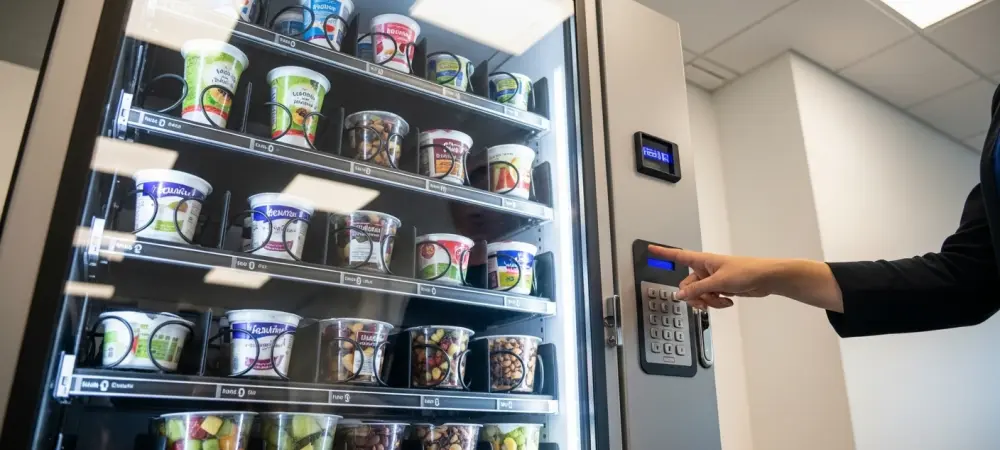
The objective of a corporate nutrition strategy is not to dictate or police the personal dietary choices of employees but to strategically shape the environment in which those choices are made. Human Resources teams are uniquely positioned to act as positive influencers by implementing practical, non-intrusive interventions. This can begin with a simple audit and overhaul of the offerings in company vending machines and micro-kitchens, replacing high-sugar, low-nutrient items with healthier, protein-rich, and low-sugar alternatives. Another impactful step involves revising catering menus for meetings and corporate events to ensure that the food provided supports sustained energy and focus rather than inducing post-meal lethargy. By making healthy options the most convenient and accessible choices, organizations can gently nudge employees toward better nutritional habits without resorting to restrictive mandates, thereby fostering a sense of empowerment rather than control. To amplify the impact of these environmental changes, HR can integrate nutrition as a core pillar of its official wellbeing initiatives, moving it from a peripheral concern to a central component of employee support. This involves providing accessible and engaging educational resources—such as workshops with nutritionists, informative newsletters, or digital content—that empower employees with the knowledge of how their food choices directly affect their professional performance, mental clarity, and overall health. When this education is framed as a supportive resource designed to help employees thrive both personally and professionally, it fosters a positive and proactive culture around health. The most effective programs are those that position the organization as a partner in an employee’s wellbeing journey, creating a supportive ecosystem where healthier choices become second nature and contribute to a shared goal of a more energetic, focused, and successful workplace.
Adapting Nutrition for the Modern Workplace
The evolution toward holistic employee wellbeing, accelerated by the rise of hybrid work models, has further elevated the strategic importance of a thoughtful corporate nutrition strategy. As the boundaries between the professional and personal spheres continue to blur, the patterns of how and when employees eat have been fundamentally altered. This new dynamic presents both challenges and unique opportunities for organizations to demonstrate their commitment to employee care. For in-office days, which are increasingly designated for collaboration and team-building, the provision of health-conscious food and snacks becomes more than just a simple perk. It transforms into a powerful and tangible expression of organizational support, signaling to employees that their health and energy are valued. This thoughtful approach helps make the commute to the office a more worthwhile and positive experience, directly contributing to a more engaged and connected workforce. Ultimately, a well-executed nutrition program became a direct investment in an organization’s human capital. By shifting from a passive stance to a proactive one, HR leaders created an environment that not only complemented other productivity initiatives but also helped build a more resilient, focused, and energetic workforce. The seemingly minor detail of what was available in the office kitchen had a significant and cumulative impact on both individual performance and broader organizational success. This strategic focus on nutrition cultivated a genuine culture of health and wellbeing, proving that supporting the physiological needs of employees was one of the most effective levers for achieving sustainable productivity and fostering a thriving workplace.