

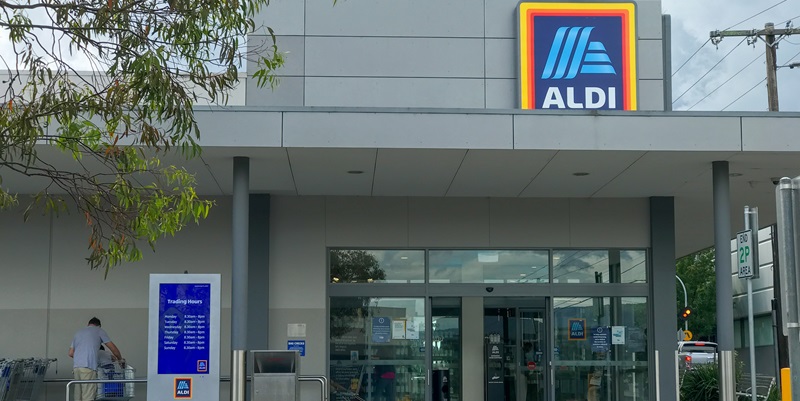
Aldi, the UK’s fourth-largest supermarket, has recently made waves in the industry by declaring itself the highest-paying supermarket in the sector. In addition to this bold claim, Aldi has also announced that it will align its rates with the real Living Wage set by the Living Wage Foundation. This move has positioned Aldi as a pioneer in fair wage practices within the retail industry. With over 1,000 stores, 11 regional distribution centers, and a workforce of 40,000 employees across the UK, Aldi’s commitment to fair compensation is aimed at ensuring the best value for both its customers and its workforce.
Paying for Breaks
As part of its effort to prioritize employee well-being, Aldi proudly asserts its distinction as the only retailer of its kind to pay workers for breaks during their shifts. This policy is estimated to bring in an additional £900 on average for store workers. By acknowledging the importance of time for rest and rejuvenation, Aldi’s gesture sets a benchmark for the industry and establishes a precedent that highlights the company’s dedication to its employees’ well-being.
Aligning with the Real Living Wage
While many companies adhere to the government’s minimum wage regulations, Aldi has taken a commendable step forward by adopting the Real Living Wage established by the Living Wage Foundation in October of this year. This makes Aldi the first supermarket in the UK to offer wages in line with the Foundation’s standards, ensuring that its employees earn a fair wage that meets the cost of living. By doing so, Aldi seeks to bridge the gap between the statutory minimum wage and the actual living expenses faced by its workforce.
Commitment to Being the Highest-Paying Supermarket
Giles Hurley, the Chief Executive Officer of Aldi UK and Ireland, affirms the company’s commitment to being the highest-paying supermarket in the sector. He emphasizes that, just as Aldi promises to provide the best value to its customers, it is equally invested in providing its employees with the highest wages in the industry. This commitment signifies Aldi’s recognition that fair compensation is not just a moral obligation but also a vital means to attract and retain a talented workforce.
Lidl’s Recent Pay Rise
Prior to Aldi’s announcement, Lidl held the title of the highest-paying supermarket in the sector. Lidl’s staff members benefited from their third pay rise of the year in September. While Lidl’s move demonstrated its dedication to employee welfare, Aldi’s latest declaration surpasses Lidl’s rates, establishing Aldi as the new leader in the supermarket industry.
Hourly Pay Rise for Store and Warehouse Staff
Aldi’s commendable commitment to fair wages is further evidenced by the improved hourly rates for its store and warehouse staff. Employees working outside the M25 will receive an hourly pay rise from £11 to £11.40, which can increase to £12.30 with length of service. This increase aims to acknowledge the hard work and dedication of Aldi’s employees while ensuring their income aligns more closely with the cost of living.
Hourly Pay Rise for M25 Workers
Aldi’s dedication to its workforce extends to those working within the M25 area. These employees will see their wages increase from £11.95 to £12.85, with the potential to reach £13.15 with length of service. By providing higher rates in an expensive metropolitan region, Aldi highlights its commitment to fair compensation, acknowledging the financial challenges faced by employees in higher-cost areas.
Comparison with Other Supermarket Giants
While Aldi takes the lead in terms of pay rates, other supermarket giants like Sainsbury’s and Tesco currently pay their workers a minimum hourly rate of around £11. Despite paying above the government’s minimum wage requirements, Aldi’s decision to exceed the rates set by its competitors reflects an industry-wide shift towards recognizing the importance of fair wages in retaining and attracting skilled talent.
Anticipating Other Supermarkets’ Response
Aldi’s groundbreaking move has left the industry eagerly waiting to see how other supermarkets will respond. While the cost implications of increasing wages may pose challenges to competitors, Aldi’s emphasis on the importance of fair compensation may spur other retailers to reassess their wage structures. Aldi’s move fundamentally challenges the sector’s approach to wages and could potentially influence the wider retail industry to prioritize fair pay for its employees.
Ikea’s Alignment with the Living Wage
Apart from Aldi, Ikea has also recently made public its commitment to fair wages by announcing pay rates for 2024 that align with the real Living Wage. Alongside Aldi, Ikea’s decision further demonstrates the rising trend among major retailers to prioritize fair compensation, ensuring a decent standard of living for their employees.
Aldi’s groundbreaking declaration as the UK’s highest-paying supermarket and its alignment with the real Living Wage showcases the company’s commitment to fair compensation. By paying workers for breaks during shifts, Aldi affirms its dedication to employee well-being, setting a precedent for the industry. Aldi’s move to match the Living Wage Foundation’s standards positions it as a trailblazer in the sector, ensuring its employees earn a wage that reflects the true cost of living. As the retail industry watches and waits for other supermarkets’ responses to Aldi’s actions, the focus on fair pay is intensifying, promising a transformative shift in the landscape of employee compensation in the retail sector.