

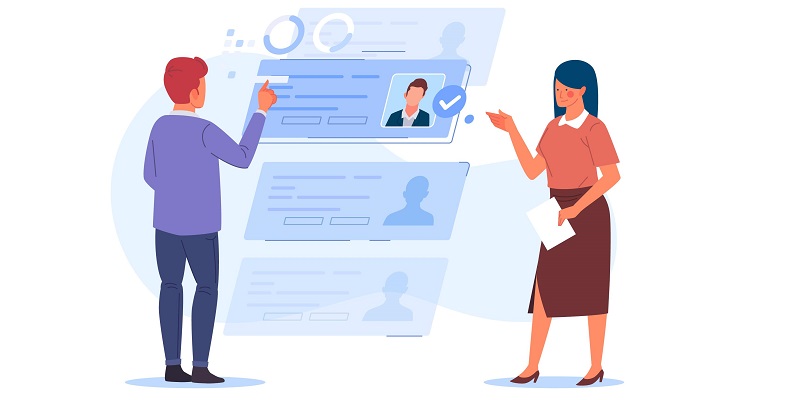
In today’s digital era, mobile technology has revolutionized various aspects of our lives, including the way we work. With the proliferation of mobile devices, the integration of mobile HR software services has become a game-changer within organizations. This article explores the transformative power of mobile HR applications in empowering employees, providing real-time information, streamlining procedures, enhancing communication, and fostering a culture of continuous improvement.
How mobile HR applications allow employees to handle HR tasks independently and conveniently
Gone are the days when employees had to depend on a desktop computer or visit the HR office to address HR-related tasks. Mobile HR applications have changed the game by allowing employees to take charge of their HR tasks on the go. These applications offer employees the freedom and convenience to access crucial HR information, ranging from pay statements and benefits data to business regulations, at their fingertips. This level of empowerment enables employees to make informed decisions regarding their HR needs without constantly relying on HR personnel.
The ability of mobile HR solutions to provide employees with crucial HR information on the go
One of the most significant advantages of mobile HR solutions is the provision of real-time access to key HR information. Employees no longer have to wait for HR personnel to manually retrieve and share necessary documentation. With mobile HR apps, employees can obtain up-to-date information such as pay statements, benefits data, and important business regulations instantly. This quick and easy access to information allows employees to stay informed and make timely decisions regarding their HR needs.
How mobile HR apps keep employees informed about important HR events and updates
Mobile HR applications offer another valuable feature – push alerts. These push notifications can notify employees about significant HR events, such as open enrollment periods, performance evaluations, or policy revisions. This proactive approach ensures that employees are aware of critical HR information and deadlines, eliminating any chance of miscommunication or missed opportunities. Push notifications not only streamline the communication process but also keep employees engaged and informed about important HR developments.
The convenience and efficiency of completing HR tasks without HR interaction, reducing administrative costs
Mobile HR applications streamline HR processes by minimizing the need for direct HR interaction for routine tasks. Employees can now complete a variety of HR chores independently, such as updating personal information, accessing and updating benefits data, and submitting time-off requests, all at their convenience. By reducing the administrative burden on HR personnel, mobile HR services not only simplify procedures but also significantly lower administrative costs, allowing HR staff to focus on strategic initiatives and higher-value tasks.
How mobile HR services facilitate effective communication between employees and HR staff, promoting transparency
Effective communication between employees and HR personnel is crucial for a harmonious work environment. Mobile HR services bridge this communication gap by providing a platform for seamless interaction. Employees can easily connect with HR staff through the mobile app, ask questions, seek clarifications, and get support when needed. This open and transparent line of communication fosters a positive work environment, builds trust, and ensures that employees feel heard and valued.
Utilizing mobile HR apps as a centralized platform for corporate news and updates
With the integration of mobile HR apps, organizations can establish a centralized hub for corporate news, updates, and announcements. This ensures that every employee is on the same page and updated with critical information related to company policies, events, or organizational changes. By consolidating this information in a mobile app, organizations can eliminate the need for scattered communication channels and ensure consistent and efficient dissemination of information.
The integration of a learning management system (LMS) for employees to access training materials and resources
Mobile HR apps can be enhanced by integrating a learning management system (LMS). This integration allows employees to access training materials, courses, and resources tailored to their career goals and professional development. Mobile learning opportunities empower employees to acquire new skills, enhance their knowledge base, and stay up-to-date with industry trends – all through their mobile devices. This commitment to continuous learning fosters employee growth, boosts engagement, and strengthens the organization’s talent pool.
How mobile HR apps support employee growth and continuous improvement through goal setting
Mobile HR apps can be invaluable tools for goal planning and performance management. Employees can set and track their goals, receive feedback from managers, and review their progress through the mobile app. This emphasis on personal development and a culture of continuous improvement not only enhances individual employee performance but also contributes to the overall success of the organization. With mobile HR apps, the performance management process becomes transparent, collaborative, and more effective, resulting in improved employee engagement and motivation.
Security and Confidentiality
In today’s digital landscape, data security is paramount. Mobile HR software services prioritize the security and confidentiality of employee information through strong encryption, authentication techniques, and multi-factor authentication. These security measures ensure that employee data remains protected, regardless of the device used to access HR services. By implementing stringent security protocols, organizations can build trust with employees and demonstrate their commitment to safeguarding sensitive personal information.
The integration of mobile HR software services has transformed traditional HR operations, empowering employees, streamlining procedures, enhancing communication, and fostering a culture of continuous improvement. As organizations adapt to the mobile revolution, embracing mobile HR solutions has become essential in creating a more efficient, employee-centric, and digitally-connected workforce. By leveraging the power of mobile technology, organizations can enhance employee experience, boost productivity, and drive organizational success in today’s dynamic business environment.