

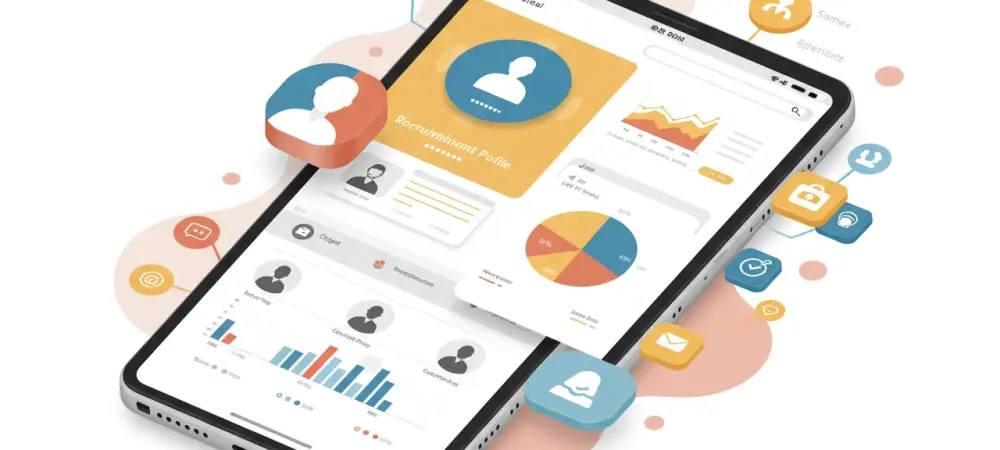
In today’s rapidly changing job market, where competition for top talent intensifies, organizations are increasingly adopting advanced technologies to enhance their recruitment processes. Traditional recruitment methods are increasingly seen as inadequate due to their time-consuming nature and inability to keep pace with the fast-moving digital age. Online recruitment software has emerged as a transformative force, streamlining and automating various aspects of the hiring process. It provides businesses with the ability to efficiently reach and assess candidates, thereby revolutionizing recruitment strategies. This technology not only enhances the speed and efficiency with which companies can fill vacancies but also improves the candidate experience and allows for a more strategic approach to building a skilled workforce.
The Rise of Digital Tools in Recruitment
Automation and Efficiency in Recruitment
As companies strive to secure the best talent, the demand for efficient and effective recruitment processes has led to the rise of digital tools designed to streamline hiring. Automation has become a cornerstone in this arena, enabling recruiters to handle massive volumes of job applications without sacrificing quality. Manual tasks that once consumed hours, such as resume screening and interview scheduling, are now performed swiftly through automation technologies. This allows recruiters to focus on meaningful and personalized interactions, enhancing overall engagement with potential candidates. Automated systems also mitigate human error, ensuring candidates with suitable qualifications are not overlooked, thereby improving the caliber of hires. One of the most compelling advantages of these digital tools is the reduction in time-to-hire, a critical metric for HR departments. By leveraging software to automate routine processes, firms increase efficiency, allowing them to react more swiftly to market demands. Moreover, automation provides a more consistent and fair evaluation process. Many systems now incorporate AI components that assist in mitigating biases, ensuring diverse candidate pools and equal opportunities based on merit and skill rather than unconscious prejudice. Large and small companies alike benefit from these innovations as they strive to maximize ROI on their recruitment investments while maintaining a robust hiring pipeline that supports business growth.
Tailored Functionality for Diverse Needs
Online recruitment software comes in various configurations, each offering unique functionalities that cater to specific organizational needs. Workable, for instance, presents a comprehensive solution integrating AI-driven recommendations and a collaborative hiring platform suitable for complex recruitment needs. It enables integration across numerous platforms, centralizing candidate data and fostering team collaboration during the hiring process. Such software is instrumental in managing large-scale recruitment while ensuring that every step aligns with organizational objectives and culture.
Other platforms like Breezy HR are tailored for smaller firms looking for user-friendly solutions with effective features, including drag-and-drop hiring pipelines. This kind of software is particularly advantageous for startups and companies embarking on their digital recruitment journey, as it offers ease of use without compromising on essential functionalities. Similarly, platforms like SmartRecruiters and Zoho Recruit provide widely scalable options, accommodating the demands of larger corporations with robust requirements. These platforms often offer customization tools that adapt to specific business models, making them versatile in addressing the intricate nuances of various hiring practices. Through this tailored approach, companies can build recruitment strategies that not only attract talent but also align closely with their long-term objectives.
Best Practices and Emerging Trends
Optimizing Automation in Recruitment
The optimal use of automation in recruitment involves not only adopting the latest tools but also refining how they’re used within recruitment strategies. Employers are encouraged to lean on software for labor-intensive tasks, freeing up human resources to engage more deeply with candidates. This shift allows for the cultivation of meaningful relationships that are crucial during the recruitment phase. The software also supports innovation in recruitment presentations by incorporating multimedia elements such as video resumes and introductions. These formats provide candidates with a platform to display their skills in a more dynamic way, offering recruiters a comprehensive view beyond the traditional resume. Incorporating data-driven decision-making is another best practice gaining traction. The collection and analysis of recruitment metrics—such as time-to-fill, candidate pipeline velocity, and diversity ratios—aid in continually improving recruitment outcomes. By integrating these insights, companies can refine their strategies, ensuring they are optimized for efficiency and effectiveness. The use of analytics not only improves present recruitment efforts but also informs long-term planning, helping predict trends and future talent needs. Such strategic foresight ensures that organizations remain agile and prepared for evolving market challenges, reinforcing their position as employers of choice.
Embracing Personalization Amidst Automation
While automation significantly enhances efficiency, maintaining personalization within the recruitment process remains crucial. Customized communication at key touch points boosts engagement, ensuring candidates feel valued and understood. Despite the rise of automated processes, successful recruitment still hinges on the human touch, which builds connections and strengthens employer branding. Personalization indicates a company’s commitment to understanding candidate needs and enhances its reputation as a caring employer.
Routine audits of recruitment processes serve as beneficial practices to identify any inefficiencies or obstacles hindering success. Analytics play a pivotal role in this, facilitating the pinpointing of bottlenecks. By exploring these data-driven insights, companies can adapt and restructure practices to elevate candidate experience and recruitment efficiency. In sum, while technology offers countless enhancements to recruitment, it works best when harmoniously integrated with personalized, proactive human involvement, creating a recruiting ecosystem that is both high-tech and high-touch.
Future Implications of AI in Recruitment
AI-Powered Insights and Bias Mitigation
The future of recruitment is increasingly shaped by AI technologies that provide powerful insights into candidate compatibility and skillset alignment. AI systems can analyze vast datasets, identifying patterns and correlations that guide recruitment decisions that are both informed and objective. These capabilities allow companies to make better hiring decisions faster, ensuring they attract and secure candidates who contribute to their long-term strategy and culture. By utilizing AI, recruiters can focus more on strategic aspects of hiring, such as employer branding and development of comprehensive candidate experiences.
Furthermore, AI is instrumental in addressing one of recruitment’s most persistent challenges: unconscious bias. By minimizing human decision-making flaws, AI tools help ensure that the recruitment process is as inclusive and equitable as possible. Automated systems select candidates based on quantifiable data rather than subjective criteria, fostering diversity within the workforce. This not only enhances team dynamics and productivity across organizations but also reflects the growing awareness and importance placed on diversity and inclusion within the modern workforce.
Shaping the Recruitment Landscape
As companies vie for top talent, the need for streamlined recruitment processes has spurred the adoption of digital tools crafted for efficient hiring. Automation has emerged as a pivotal element, enabling recruiters to manage large volumes of job applications efficiently without compromising quality. Tasks that once took hours, like resume screening and interview scheduling, are now quickly handled by automation technology. This shift allows recruiters to engage more meaningfully with candidates, enhancing overall interaction. Automated systems also reduce human error, ensuring that candidates with the right qualifications are considered, thereby boosting hire quality. A standout benefit of these digital tools is shortened time-to-hire, crucial for HR departments. By automating routine processes, companies boost efficiency and react faster to market demands. Automation also fosters consistent and fair evaluation, as AI components help reduce biases, ensuring diverse talent pools and equal opportunities based on skills rather than unconscious prejudice. Both large and small companies leverage these innovations to maximize ROI in recruiting while maintaining a strong hiring pipeline for growth.