

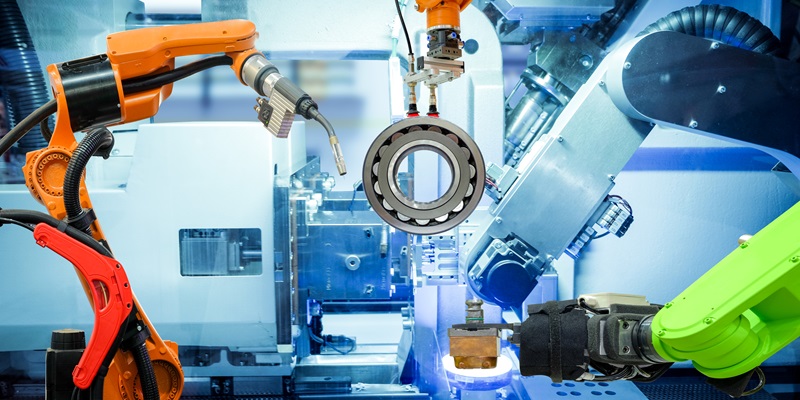
The rapid adoption of robotic systems by companies has revolutionized operations, enabling enhanced efficiency and cost-effectiveness. However, in the pursuit of automation, it is crucial for organizations to ensure that these systems comply with employment laws and regulations. This article explores how AI algorithms can be leveraged to analyze, interpret, and implement employment laws, thus ensuring compliance and mitigating legal risks.
The Role of AI in Ensuring Compliance
To guarantee compliance, companies can train AI algorithms to analyze and interpret complex employment laws. By programming robots according to these laws, organizations can automate compliance processes and reduce the risk of human error. AI-assisted analysis empowers companies to streamline operations while adhering to legal requirements, striking a balance between efficiency and compliance.
Automated Compliance Processes
The integration of AI enables automated compliance processes, ensuring minimal lapses and potential legal consequences. Through the use of AI algorithms, companies can automate the monitoring of workplace conditions, thus enhancing employee safety and well-being. AI-powered surveillance systems can identify any potential violations, enabling prompt corrective actions and maintaining compliance with workplace regulations.
AI-powered Surveillance for Workplace Monitoring
Utilizing AI-powered surveillance systems allows for seamless workplace monitoring. These sophisticated systems can track various aspects, such as employee behavior, environmental conditions, and adherence to safety protocols. By analyzing real-time data, the AI algorithms can detect and notify management of any violations, fostering a culture of compliance and accountability.
Analyzing Employee Data for Compliance
AI algorithms excel in analyzing large volumes of employee data, enabling organizations to detect any discrepancies or violations. By analyzing data points such as working hours, wages, and overtime, these algorithms can identify potential non-compliance, preventing unfair labor practices. This automation streamlines the compliance process, saving time and resources.
Fair and Unbiased Hiring Practices
AI-powered recruitment tools herald a new era of fair and unbiased hiring practices. By removing human bias from the hiring process, AI algorithms can evaluate candidates solely based on their qualifications and skills. This promotes diversity and inclusion while ensuring compliance with equal opportunity employment laws. Companies can benefit from AI technology to foster a more equitable workforce, improving employee satisfaction and overall organizational success.
Automated Calculation and Distribution of Benefits
Companies often struggle with accurately calculating and distributing benefits to their employees. AI-powered systems can automate these processes, ensuring accuracy and compliance with relevant laws. By streamlining benefit calculation and distribution, organizations can reduce administrative burden, eliminate errors, and guarantee fair and timely delivery of employee benefits.
Regular Review and Updates for Algorithm Fairness
While AI can significantly enhance compliance processes, regular reviews and updates are crucial to maintain fairness and equality. Ethical considerations and unbiased assessments should continually guide algorithm development. By keeping algorithms up-to-date and regularly reviewing their fairness, organizations can ensure consistent compliance, preventing any unintended biases in decision-making.
Programming Robots to Comply with Employment Laws
Leveraging AI algorithms allows companies to programmatically ensure that their robots adhere to employment laws and regulations. By incorporating the rules, restrictions, and protections from relevant employment legislation into the coding of robotic systems, organizations can establish a framework that promotes compliance while maximizing operational efficiency. This process ensures that robots operate within legal boundaries, thus minimizing legal risks and potential disputes.
The Future of Robotic Employment Law Compliance
With the evolution and advancement of AI technology, the future of robotic employment law compliance is promising. As AI continues to improve, companies can look forward to more efficient and accurate compliance processes. The combination of robotic systems and AI algorithms will enable organizations to achieve higher levels of compliance while achieving operational effectiveness. Companies that embrace these technological advancements stand to gain a competitive edge in the rapidly evolving business landscape.
As companies increasingly adopt robotic systems to streamline operations, ensuring compliance with employment laws and regulations becomes paramount. By leveraging AI algorithms, organizations can automate compliance processes, monitor workplace conditions, and analyze employee data for potential violations. The future of compliance with employment laws for robotic employment holds immense promise, offering companies a more efficient and compliant way of operating while safeguarding employee rights and legal integrity. Embracing AI technology will enable businesses to strike a harmonious balance between operational excellence and adherence to employment laws.