

As businesses navigate the post-pandemic landscape, they must find a balance between employee preferences and business requirements, which has become increasingly important in fostering a productive and motivated workforce. Companies like Disney, Starbucks, Apple, and Amazon have faced backlash over their high-profile mandates to return to the office, highlighting the challenges in reviving on-site attendance and restoring pre-pandemic company culture.
Addressing a Multi-Generational Workforce
In today’s workplaces, accommodating a multi-generational workforce has become a pivotal challenge, with younger employees (18–24 years old) spending more time in the office compared to their older counterparts (35–44 and 55+ years old). This trend suggests that younger staff might be missing out on informal mentorship and professional growth opportunities when senior staff work remotely. Bridging this gap is essential for promoting a cohesive and inclusive work environment where all employees can thrive.
Strategic Office Spaces as Assets
Transforming office spaces into strategic assets has become a necessity for attracting and retaining top talent in the competitive post-pandemic job market. Shifting away from remote working trends, central office locations have gained prominence, playing a critical role in fostering employee engagement and productivity. Modern office design focuses on creating environments tailored to different work tasks, thus enhancing productivity and reducing stress. This alignment of office design with business functions provides companies with a competitive edge in the market.
The Benefits and Challenges of Remote Working
Remote working offers undeniable benefits such as flexibility and reduced commuting costs. However, it also comes with significant challenges like loneliness, especially for those working entirely from home. To address these issues, businesses are encouraged to design office spaces that promote social interaction, strengthen relationships, and facilitate knowledge-sharing among employees. The goal is to create a welcoming office environment that employees are eager to return to, integrating the best aspects of both home and office work.
Key Design Elements for Modern Offices
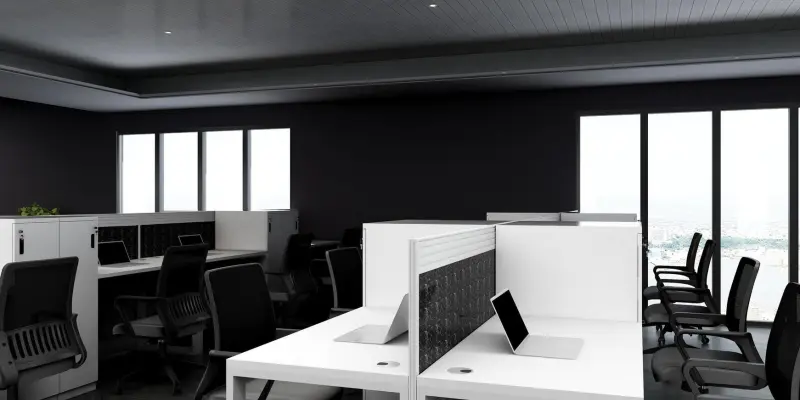
Incorporating key design elements such as open kitchens, ambient lighting, and private breakout zones is essential for meeting diverse employee needs and maintaining a balance between interaction and privacy. A thoughtfully curated office experience can significantly enhance employee well-being and productivity, preventing potential risks like decreased productivity, higher labor turnover, and loss of talent to competitors. Investing in modern office design is crucial for sustaining long-term business success.
The Importance of a Strong Office Presence
As businesses navigate the post-pandemic landscape, finding a balance between employee preferences and business needs has become crucial for fostering a productive and motivated workforce. Many employees have grown accustomed to the flexibility of remote work, and some even prefer it, adding complexity to the situation. Companies such as Disney, Starbucks, Apple, and Amazon have implemented high-profile mandates to return to the office, which have received mixed reactions. These mandates underline the significant challenges in reviving on-site attendance and attempting to restore pre-pandemic company culture. The resistance from employees highlights a broader shift in work expectations and company dynamics. Employers must now carefully weigh the pros and cons of remote and on-site work to create an environment that satisfies both the workforce and organizational goals. Balancing remote work with the benefits of in-person collaboration is a delicate act. This struggle to adapt to a new normal requires innovative solutions and a deep understanding of evolving employee sentiments.