

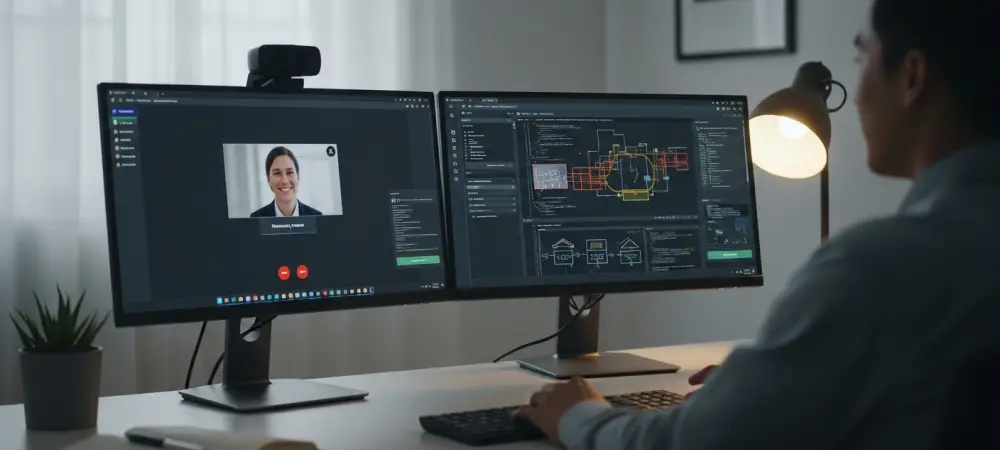
The sudden proliferation of sophisticated deepfakes and advanced generative AI models has fundamentally fractured the historical trust that once underpinned remote recruitment pipelines across every major global industry. The transition to remote hiring has reached a critical inflection point where the promise of efficiency is being undermined by a profound reliability gap. As generative AI, deepfakes, and sophisticated impersonation techniques become mainstream, HR leaders must look beyond simple surveillance to ensure that a candidate’s digital performance accurately reflects their true capabilities. This guide explores why traditional screening methods are failing and outlines the strategic shift toward a model of defensible results, ensuring that the integrity of the hiring process remains intact in an increasingly automated world.
Maintaining the sanctity of the evaluation process requires a departure from the reactive stance of the past. Organizations that successfully navigate this shift recognize that the digital presence of a candidate is no longer a guaranteed reflection of their individual skill set. Consequently, the focus has moved from purely technical screening to the creation of a comprehensive evidentiary trail. By prioritizing these new standards, talent acquisition teams can effectively bridge the gap between perceived performance and actual job readiness, securing the future of their workforce against the erosion of traditional assessment values.
Navigating the New Landscape of Digital Recruitment
The current environment demands a sophisticated understanding of how candidates interact with technology during the application journey. In the current year, the ease of access to tools that can mirror human speech, generate complex code, or even simulate a live video presence has made it remarkably difficult to verify the “authentic self.” This technological leap means that a high-score on a remote test is no longer a sufficient indicator of potential success; instead, it is merely the first step in a much longer verification process.
Moreover, the psychological contract between employer and applicant has shifted as candidates increasingly view AI assistance as a standard productivity tool rather than a violation of protocol. This normalization of digital leverage necessitates a new baseline for what constitutes merit. Recruiters must now evaluate not just the output of an assessment, but the methodology and individual logic used to produce it. Without this deeper level of scrutiny, companies risk populating their ranks with individuals who excel at tool manipulation but lack the critical thinking required for high-level problem solving.
Why Strengthening Assessment Integrity Is Essential
Establishing rigorous best practices for remote assessments is no longer a luxury but a fundamental requirement for organizational stability. By prioritizing assessment reliability, companies can safeguard their talent pipelines against the systemic risks of recruitment fraud, which has evolved from simple cheating to complex identity and authorship deception. This proactive defense is vital for maintaining the internal culture of meritocracy that high-performing teams rely on to thrive in competitive markets.
Establishing these standards provides several key benefits that extend beyond mere security. For instance, protecting the organization from “ringers” and deepfake technology ensures that the person hired is the person who actually performed the work, thereby maintaining the integrity of the payroll. Additionally, reducing the reliability gap prevents the high financial and cultural costs associated with onboarding underqualified candidates who bypassed traditional filters using AI assistance. These individuals often struggle to meet performance targets, leading to early turnover and a loss of team morale.
Furthermore, a fair, transparent, and consistent process builds legitimacy, ensuring that high-quality, honest applicants remain engaged rather than alienated by invasive or opaque monitoring. When the assessment criteria are clear and the verification methods are defensible, candidates feel a greater sense of respect for the organization. This trust is essential for attracting top-tier talent who might otherwise be deterred by a hiring process that feels like a game of technological one-upmanship.
Implementing Best Practices for Defensible Hiring Results
To overcome the limitations of standalone screening events, organizations must adopt a holistic approach that treats every candidate interaction as part of a unified data set. This transition involves moving away from isolated tests and toward a continuous validation model where each stage of the recruitment funnel serves to confirm the findings of the previous one. Such a strategy creates a multidimensional profile of the candidate, making it significantly harder for fraudulent signals to persist throughout the entire process.
Establishing Policy Clarity on Generative AI and Assistance
The first step in modernizing the assessment process is defining the boundaries of assistance versus misrepresentation. Without clear guidelines, candidates may use chatbots for drafting or problem-solving, creating a discrepancy between their submitted work and their actual job readiness. Transparency is the most effective tool in this regard; by clearly articulating which tools are permitted and which are considered a violation of integrity, organizations set a professional standard from the very first interaction.
Case Study: Defining Boundaries in Technical Coding Assessments
A multinational software firm implemented a disclosed AI policy where candidates were permitted to use AI for boilerplate code but were required to tag AI-generated segments. This allowed recruiters to distinguish between the candidate’s architectural logic and the tool’s execution, leading to more accurate technical evaluations. The result was a significant decrease in the number of new hires who were unable to handle complex, non-standard coding tasks once they were on the job.
Designing Integrative Assessment Stages to Cross-Validate Skills
Hiring teams should move away from siloed tests and toward an interconnected design where each stage validates the previous one. This cross-referencing method ensures that the fluency displayed in a written submission is mirrored in live technical discussions. By aligning the various touchpoints of the hiring process, recruiters can identify inconsistencies that would otherwise remain hidden behind a polished digital facade.
Real-World Example: Using Walk-Through Verifications for Written Samples
A financial services company introduced a mandatory five-minute segment in their final interviews where candidates had to explain the methodology behind their earlier technical assessments. This simple step quickly identified authorship gaps where candidates had used outside help but lacked the underlying knowledge to explain their own results. It proved to be a low-friction, high-impact way to verify that the person on the call was truly the author of the work submitted.
Implementing Proportional and Targeted Review Systems
Rather than subjecting every applicant to invasive surveillance—which can damage employer branding—HR teams should use data-driven triggers to identify meaningful performance discrepancies. This surgical approach focuses human intervention where the risk of fraud is highest, allowing for a more streamlined experience for the vast majority of honest candidates. It balances the need for security with the necessity of a positive candidate experience.
Case Study: Triggering Human Review Through Performance Mismatch
A global logistics company utilized a system that flagged candidates whose live interview vocabulary significantly diverged from the sophisticated tone of their AI-generated cover letters. These flags did not result in automatic rejection but triggered a specialized behavioral interview to verify the candidate’s authentic communication style. This nuanced approach allowed the company to maintain high standards without relying on blunt, automated disqualification tools.
Future-Proofing the Remote Recruitment Funnel
The reliability crisis in remote hiring was ultimately a design problem rather than a technology problem. Success in the modern era required a shift from constant surveillance to the creation of trustworthy signals through interconnected assessment stages. Organizations that focused on defending the validity of their results—rather than just monitoring behavior—were best positioned to attract and retain genuine talent. This shift allowed leadership to treat recruitment as a rigorous data-gathering exercise that prioritized long-term cultural and technical fit over short-term efficiency gains.
This approach was most beneficial for high-growth firms and industries where technical expertise and individual authorship were non-negotiable. Before adopting new assessment tools, leadership considered whether the technology supported a unified view of the candidate or simply added another layer of friction. By bridging these reliability gaps, companies ensured their hiring process remained a competitive advantage. The focus on authenticity over automated performance protected the organization’s most valuable asset: its people. Moveover, the transition to these defensible models proved that human intuition, when supported by integrated data, remained the most effective tool for identifying true potential in a digital-first world.