

KW Framing Inc., a Chicago-area framing contractor, has come under the spotlight for all the wrong reasons. The Occupational Safety and Health Administration (OSHA) has cracked down on the company due to repeated safety violations, particularly concerning fall protection. The ongoing citations and the company’s dismissive responses encapsulate the serious consequences of neglecting workplace safety regulations.
A Troubled History of Violations
KW Framing Inc. has a notorious history with OSHA. The company’s infractions began surfacing prominently in 2022 during inspections that brought numerous safety violations to light. Despite the weighty fines imposed back then, amounting to $117,843, the company neither paid the fines nor made any significant efforts to rectify the cited issues. This initial disregard set the stage for further scrutiny and more severe consequences in the following years.
Fast forward to 2024, and the situation for KW Framing has only worsened. Inspections carried out in January and May of 2024 revealed alarming instances of non-compliance, where workers were found laboring at dangerous heights without proper fall protection gear. Such repeated failures led OSHA to impose even heftier penalties to underline the gravity of the violations. This continuous negligence not only puts workers at immediate risk but highlights a persistent failure of the company to meet federal safety standards.
What makes KW Framing’s case particularly egregious is not just the repeated violations but their persistent neglect of the necessary corrective measures. This pattern of behavior underscores a significant failure by the company’s management to prioritize worker safety. The repeated instances of non-compliance signal a systemic issue within the organization, pointing to deeper problems in its safety protocol and management practices. This neglect seemingly extends to an overall disregard for the well-being and safety of its employees, potentially setting a dangerous precedent for the industry.
Specific Safety Breaches
The inspections in 2024 painted a damning picture of KW Framing’s operations. On January 29, February 9, February 12, and May 7, inspectors noted workers at heights up to 30 feet without the mandatory fall protection. These workers were involved in high-risk tasks such as erecting exterior walls, setting joists and trusses, and sheathing high roofs, all in apparent disregard of safety protocols. The inspectors documented these hazardous conditions meticulously, underscoring the repeated nature of the infractions and the immediate dangers posed to the workers.
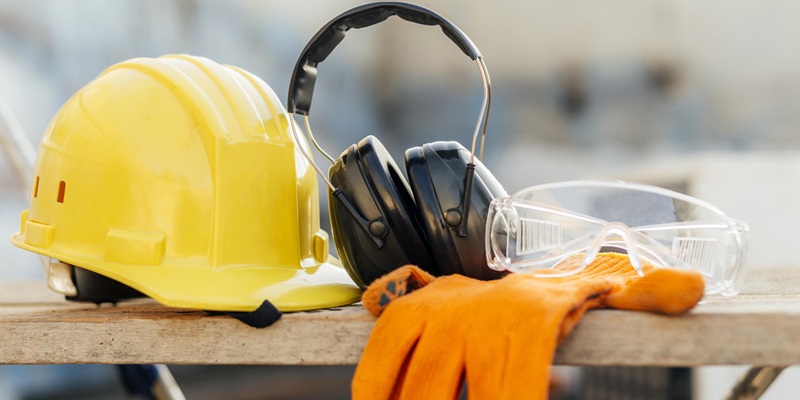
The detailed violations recorded include not only the absence of fall protection but also issues related to improper use of ladders and lack of proper head and eye protection for employees. Such breaches are not mere lapses but indicate a systemic issue within the company’s safety culture. The repeated failure to implement basic safety measures speaks volumes about the company’s operational priorities—or lack thereof—regarding worker safety. By ignoring these crucial safety protocols, KW Framing has put its workers in jeopardy, effectively nullifying the safeguards intended to prevent workplace accidents and fatalities.
These specific safety breaches reinforce the spotlight on why OSHA’s regulations exist: to protect workers from severe injury or death. The failure to provide such basic safety measures demonstrates a profound neglect of duty on the part of KW Framing’s management. This neglect is not only irresponsible but potentially criminal, as it involves willfully ignoring the safety and well-being of employees. This disregard for human life and safety standards sets a dangerous example and raises severe ethical and legal questions about the company’s practices.
Escalating Penalties and OSHA’s Enforcement Actions
OSHA has responded to KW Framing’s blatant disregard for worker safety with stringent enforcement actions. The penalties imposed for the 2024 violations are significant, totaling $317,644. These fines incorporate multiple citations: repeat, willful, serious, and other-than-serious violations. Such a substantial financial penalty is intended to serve as a deterrent, emphasizing the non-negotiable nature of adhering to federal safety regulations. OSHA’s approach underscores the seriousness with which it treats such violations and its commitment to worker safety.
Notably, KW Framing was cited for two willful violations concerning the absence of fall protection—a clear indicator that the company knowingly failed to correct previously cited hazards. These willful violations alone contribute a substantial portion of the overall penalty, underscoring the severity of the infractions. The term "willful" in OSHA’s lexicon signifies more than just negligence; it implies an intentional disregard for the legal requirements, adding a layer of gravity to the charges.
OSHA’s actions aren’t limited to monetary fines alone. The agency is committed to thorough enforcement, including potential debt collection efforts for unpaid fines. This intensified approach by OSHA illustrates a broader trend of escalating consequences for companies that consistently flout safety regulations. By holding employers like KW Framing accountable, OSHA aims to set a precedent and encourage other companies to prioritize worker safety. This proactive stance is essential for fostering a culture of safety within the construction industry and beyond. The agency’s enforcement actions highlight the critical balance between regulatory oversight and corporate responsibility.
Management’s Indifference and the Consequences
At the heart of KW Framing’s repeated safety violations lies a troubling pattern of indifference from management. OSHA’s reports document instances where company officials, including Wojciech Knapczyk, openly displayed a dismissive attitude towards safety inspectors’ warnings and recommendations. This dismissive stance not only undermines regulatory oversight but directly endangers the lives of the company’s workers. Such negligence from the highest levels of management sends a hazardous message throughout the organization, potentially normalizing unsafe practices and eroding the overall safety culture.
Such an approach from leadership sends a dangerous message about the company’s priorities. Workers depend on their employers to ensure a safe working environment, and when management fails to take safety seriously, the risks increase exponentially. This negligence not only puts employees’ lives at risk but also exposes the company to severe financial and legal repercussions. The cost of non-compliance can extend far beyond monetary fines, including liability for injuries and fatalities, legal battles, and lasting damage to the company’s reputation.
KW Framing’s case serves as a stark reminder of the critical role that management plays in upholding workplace safety. Companies that cultivate a culture of safety are less likely to face such severe penalties and, more importantly, are more likely to protect their workforce effectively. The leadership’s attitude toward safety regulations can set the tone for the entire organization. A proactive stance on safety not only complies with legal necessities but also fosters a safer, more productive work environment, ultimately benefiting both employees and the company’s bottom line.
The Critical Importance of Fall Protection
KW Framing Inc., a framing contractor located in the Chicago area, has recently come under intense scrutiny due to significant safety lapses. The Occupational Safety and Health Administration (OSHA) has taken stringent actions against the company owing to consistent violations, particularly in the critical area of fall protection. OSHA has identified multiple instances where the company failed to comply with established safety regulations designed to protect employees from potentially life-threatening falls.
Despite these citations, KW Framing Inc. has shown a seemingly dismissive attitude towards these violations, reflecting a troubling disregard for worker safety. This lack of adherence to safety standards not only endangers the well-being of employees but also highlights the broader issues associated with neglecting mandatory workplace safety protocols.
The ongoing negligence by KW Framing Inc. underscores the severe repercussions businesses may face when they fail to responsibly address and rectify such critical safety concerns. By disregarding OSHA’s guidelines, the company not only risks substantial fines and legal consequences but also the trust and safety of their workforce. This situation serves as a stark reminder that adhering to safety protocols is not merely a legal obligation but a fundamental duty to ensure the well-being of all employees.