

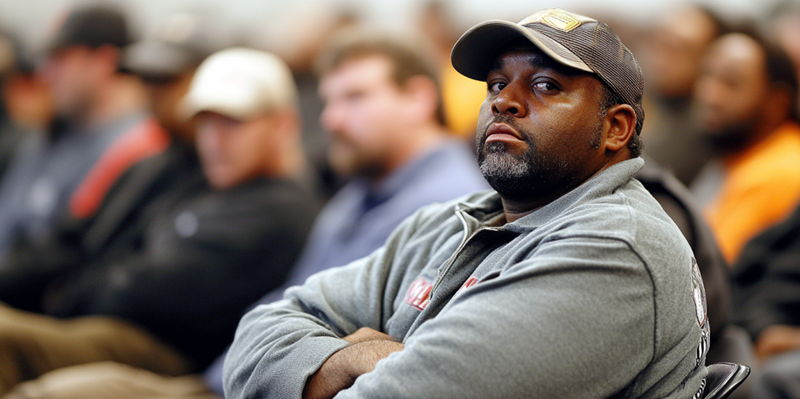
The National Labor Relations Board (NLRB) has made a groundbreaking decision to prohibit employers from holding mandatory meetings, known as captive-audience meetings, to express anti-union views during an organizing campaign. This decision overturns a 76-year-old precedent, Babcock & Wilcox, which had previously allowed such meetings. The NLRB argues that these meetings violate Section 8(a)(1) of the National Labor Relations Act (NLRA) because they tend to interfere with and coerce employees in exercising their rights to unionize.
NLRB Chairperson Lauren McFerran emphasized the importance of ensuring that workers can make a “truly free choice” about union representation, stating that captive-audience meetings undermine this fundamental goal of the NLRA. This decision has generated various reactions, particularly from management-side employment attorneys. While some see it as a victory for workers’ rights, others view it as an unwarranted restriction on employer communication and free speech.
Reactions from Legal Experts
Concerns from Management-Side Attorneys
Ohio attorney Jonathan Hyman from Wickens Herzer Panza expressed his concern, suggesting that the board is treating employees like children. He argued that while unions can say whatever they want, employers are unfairly restricted from sharing their views in mandatory meetings. Hyman pointed out that such meetings are a common part of workplace operations, used for training on various work-related matters, including safety and human resources issues. He believes the ruling could complicate routine workplace communications and potentially disrupt business operations.
NLRB member Marvin Kaplan, the sole Republican appointee, echoed Hyman’s sentiment in his dissent. Kaplan noted that mandatory meetings on a wide variety of job-related issues are a standard practice in American workplaces. He also raised First Amendment concerns, arguing that singling out employer meetings with anti-union content impedes free speech guarantees. Kaplan’s dissent highlights a broader debate over the balance between protecting workers’ rights and ensuring employers retain their ability to communicate openly with their employees.
Potential Changes with Trump’s Return
The article suggests that with Donald Trump set to return to the presidency, significant changes at the NLRB are anticipated. It is expected that Trump will appoint a new general counsel who may reverse the current board’s stance on captive-audience meetings. However, Los Angeles management-side attorney Mark Theodore warns that companies should not try to stall compliance in anticipation of these changes. Theodore cautioned that ignoring the Amazon ruling could lead to severe consequences, such as being charged with unfair labor practices, which can grant union representation rights immediately.
According to Theodore, while the Trump NLRB 2.0 is likely to reverse the ruling, these changes will not happen overnight. Businesses should, therefore, comply with the current decision to avoid costly legal battles and potential fines. Jonathan Hyman also noted that legal challenges could involve significant time and expenses, suggesting that most small and medium-sized businesses cannot afford to be test cases. The legal landscape remains fluid, and enterprises must navigate the existing regulations carefully to avoid adverse outcomes.
Compliance and Practical Advice
Immediate Compliance Recommendations
According to Theodore, while the Trump NLRB 2.0 is likely to reverse the ruling, these changes will not happen overnight. Businesses should, therefore, comply with the current decision to avoid costly legal battles and potential fines. Jonathan Hyman also noted that legal challenges could involve significant time and expenses, suggesting that most small and medium-sized businesses cannot afford to be test cases.
Voluntary Meetings as an Alternative
Theodore recommends that, as a practical matter, employers should continue holding voluntary meetings about unionization efforts. He advises informing employees in writing about such meetings and clearly stating that attendance is voluntary. In his experience, most employees will attend anyway as they prefer to be informed about the situation. Hyman adds that employers should have employees sign a document confirming that they attended voluntarily, ensuring there is no misunderstanding or future legal challenges.
For businesses, this approach allows them to maintain open communication with their workforce while complying with current regulations. By holding voluntary meetings, employers can still convey their stance on unionization without infringing on the newly established guidelines. This practice also demonstrates respect for employees’ rights to choose freely and can help build a more transparent and trusting workplace environment.
State-Level Actions and Future Challenges
State Bans on Captive-Audience Meetings
The article also covers state actions regarding captive-audience meetings. Eleven states have already passed or enacted laws banning the practice, with six states implementing these bans in the past year, including Alaska, California, Connecticut, Hawaii, Illinois, and others. Theodore and Hyman suggest that once the NLRB reverses its position, these state laws might also be at risk. The NLRB could intervene, claiming these state laws are preempted as the board protects its authority over such matters. However, these legal challenges will take time, and the interplay between federal and state regulations will remain a complex aspect of labor law.
Legal Challenges and Precedents
Ohio attorney Jonathan Hyman from Wickens Herzer Panza voiced concerns, suggesting the board’s actions treat employees like children. He argued that while unions are free to express their views, employers are unfairly restricted from sharing theirs during mandatory meetings. Hyman emphasized that such meetings are a routine part of workplace operations, essential for training on topics like safety and human resources. He fears the ruling might complicate routine workplace communications and disrupt business activities.
NLRB member Marvin Kaplan, the only Republican appointee, echoed Hyman’s concerns in his dissent. Kaplan noted that mandatory meetings covering various job-related topics are standard in American workplaces. He raised First Amendment issues, arguing that restricting employer meetings with anti-union content infringes upon free speech rights. Kaplan’s dissent underscores a broader debate on balancing worker protection with ensuring employers can communicate openly with employees. Both Hyman and Kaplan believe these restrictions could negatively impact business operations and free speech.