

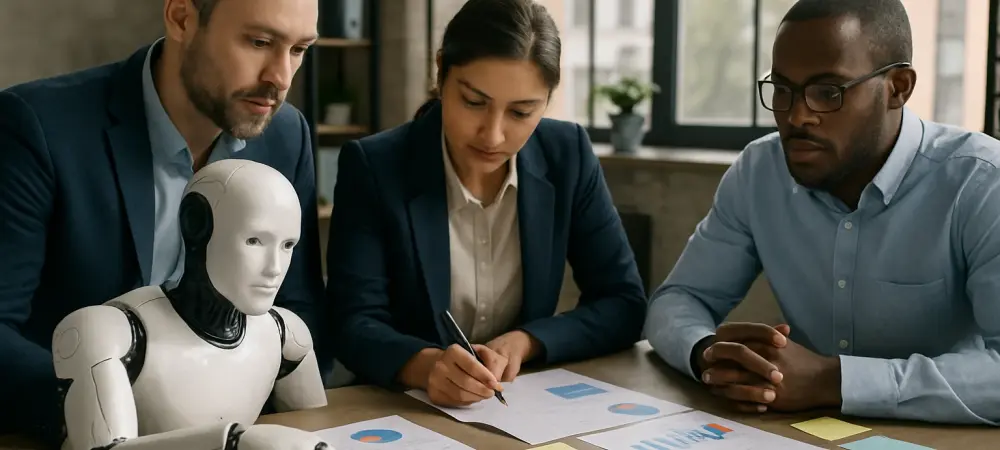
In an era where Artificial Intelligence (AI) is transforming industries at an unprecedented pace, the challenge of workforce planning has taken on new urgency for HR leaders and business executives alike, as they grapple with the rapid evolution of technology. With tools like Large Language Models (LLMs) and generative AI automating tasks that once defined entire roles, the shelf life of technical skills is shrinking rapidly, sometimes becoming obsolete within just a few years. This dynamic creates a pressing need for organizations to rethink how they prepare their teams for the future of work. Instead of chasing fleeting proficiencies, the focus must shift toward building enduring human capabilities that complement AI advancements. Research from leading academic institutions highlights this shift, emphasizing that businesses must prioritize skills resistant to automation to ensure long-term resilience. As AI continues to redefine the workplace, the question remains: how can companies strategically plan for a workforce that thrives alongside technology rather than being displaced by it?
The Challenge of Rapid Skill Obsolescence
The rapid evolution of AI technologies presents a unique paradox for workforce planning, often termed “self-automation,” where newly acquired skills are quickly rendered redundant by the very tools they support. Roles such as prompt engineers, once seen as cutting-edge, exemplify this trend, as AI systems increasingly automate the tasks these positions were created to manage. This phenomenon does not necessarily equate to wholesale job replacement but rather targets specific functions within roles. When a position relies heavily on a single automatable task, the risk of job loss spikes significantly. HR leaders must grapple with the reality that investing in training for these transient skills can result in wasted resources, as the relevance of such competencies may diminish before they deliver substantial value. The challenge lies in identifying which skills are at risk of becoming obsolete and redirecting efforts toward more sustainable areas of development that can withstand technological shifts.
Moreover, the impact of skill obsolescence extends beyond individual roles to affect entire organizational strategies and national upskilling initiatives. Misdirected investments in technical training programs can drain budgets and erode confidence in workforce development efforts if the targeted skills lose relevance too soon. Experts argue that this issue demands a proactive approach, urging businesses and policymakers to anticipate AI’s trajectory over the coming years. By analyzing trends in automation, such as the increasing capabilities of generative AI to handle complex cognitive tasks, organizations can better predict which technical proficiencies might fade. This foresight allows for a pivot toward human-centric skills that AI cannot easily replicate, ensuring that training programs remain relevant. The stakes are high, as failing to adapt could leave workforces unprepared for the rapid changes AI continues to drive across industries.
Prioritizing Enduring Human Capabilities
Amidst the whirlwind of AI-driven change, a consensus is emerging among HR professionals and researchers that enduring human skills must take precedence over short-lived technical ones. Communication, collaboration, and creativity stand out as critical areas unlikely to be fully automated, alongside management, leadership, and caregiving competencies. These skills, rooted in human judgment and empathy, form the backbone of roles that complement rather than compete with AI systems. For instance, while AI can streamline data analysis, the ability to interpret nuanced human needs or inspire a team remains distinctly human. Organizations that cultivate these capabilities position themselves to build resilient workforces capable of adapting to technological disruptions. This strategic focus ensures that employees are equipped to handle roles where AI serves as a tool rather than a replacement.
Beyond identifying key human skills, the task for HR leaders involves integrating these priorities into recruitment, training, and retention strategies. A practical step is categorizing tasks within roles as either AI-augmented—those that technology can enhance or perform—or human-exclusive, requiring unique human input. This framework helps in allocating resources effectively, ensuring that training emphasizes areas like critical thinking and problem-solving over fleeting technical expertise. Additionally, fostering a culture of continuous learning can empower employees to adapt as AI evolves, maintaining their relevance in a shifting landscape. By investing in these durable strengths, companies not only safeguard their workforce against automation risks but also enhance their capacity to innovate. The emphasis on human capabilities offers a sustainable path forward, balancing technological integration with the irreplaceable value of human insight.
Building Adaptable Workforce Strategies
The unpredictability of AI’s impact on the workplace underscores the need for dynamic, adaptable workforce strategies rather than rigid, static plans. Traditional approaches to planning often fail to account for the speed at which AI can alter job requirements, leaving organizations scrambling to catch up. A more flexible strategy involves creating frameworks that anticipate change, such as regularly reassessing skill needs based on emerging AI capabilities. This might include partnerships with technology providers to stay ahead of automation trends or investing in cross-functional training that broadens employee skill sets. Such adaptability ensures that businesses can pivot quickly, aligning their workforce with new demands without the disruption of overhauling entire systems. HR leaders play a pivotal role in championing this mindset, driving a culture that embraces change as an opportunity rather than a threat.
Equally important is the collaboration between corporate entities and governmental bodies to align on workforce planning goals, avoiding wasteful spending on soon-to-be-irrelevant skills. Both levels must work in tandem to identify where AI will dominate and where human input remains essential, directing resources accordingly. For example, national programs could focus on funding education in soft skills like leadership and empathy, while businesses tailor their internal training to complement these efforts with industry-specific needs. This synergy reduces redundancy and maximizes impact, ensuring that investments yield long-term benefits. By building strategies that integrate AI as a supportive tool rather than a disruptive force, organizations can create a workforce that thrives in harmony with technology. The focus on adaptability offers a blueprint for navigating the uncertainties of an AI-driven future with confidence and foresight.
Reflecting on Strategic Shifts for Future Success
Looking back, the journey through AI’s transformative impact on workforce planning revealed a critical need for strategic realignment among HR leaders and organizations. The pitfalls of chasing transient technical skills were evident, as resources were often squandered on proficiencies that faded with AI’s rapid advancements. Instead, the emphasis shifted toward nurturing enduring human strengths like creativity and leadership, which proved resistant to automation. The distinction between task-specific automation and broader job replacement became a guiding principle, helping to allocate training and recruitment efforts more effectively. As businesses and policymakers adapted, they laid the groundwork for resilient workforces by prioritizing adaptability over short-term fixes. Moving forward, the next steps involve refining these strategies, continuously monitoring AI’s evolution to adjust plans, and fostering environments where human and technological strengths amplify each other for sustained success.