

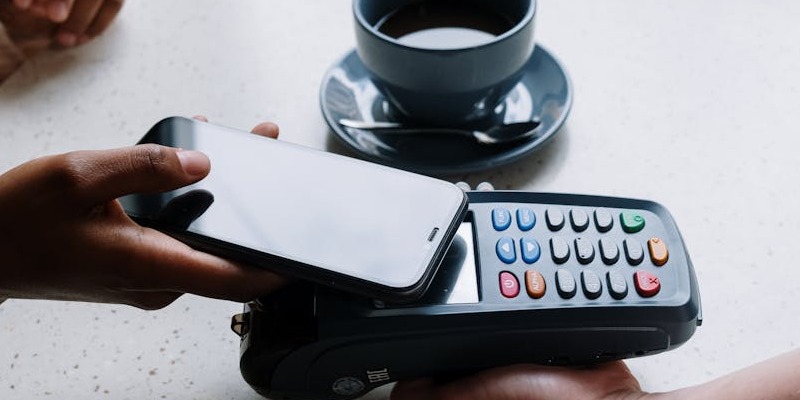
The rapidly growing trend of mobile payment solutions is revolutionizing the way businesses and consumers interact financially, offering unprecedented flexibility, cost-efficiency, and enhanced experiences. Businesses, particularly small and medium-sized entities, are witnessing immense benefits as they transition from traditional, cumbersome point-of-sale systems to modern, agile mobile payment technologies. Julie Malikayil, Senior Manager of Payments Products at Discover® Global Network, provides valuable insights into the dynamics of this trend, highlighting "tap on mobile" and mobile wallets as key players in the shift.
The Paradigm Shift in Payment Systems
Tap on Mobile: Revolutionizing Merchant Transactions
Tap on mobile technology is dramatically transforming the landscape of merchant transactions by allowing businesses to accept payments directly through their mobile devices without needing additional hardware. This technological leap presents a low barrier to entry, making it particularly appealing to small businesses, such as food trucks and mom-and-pop shops, that traditionally lacked the resources to invest in expensive point-of-sale systems. Additionally, high-end retailers are adopting this technology to provide a more personalized and seamless checkout experience for their customers, contributing to enhanced customer engagement and satisfaction.
From an operational standpoint, tap on mobile negates the need for bulky and stationary point-of-sale systems, significantly reducing setup and maintenance costs for merchants. This shift is not only cost-efficient but also enhances the overall experience; businesses can effortlessly process transactions anywhere within their premises, from the sales floor to outdoor events. The flexibility afforded by tap on mobile technology is a game-changer, especially in dynamic retail environments where customer preferences are continually evolving.
Mobile Wallets: Enhancing Consumer Convenience
Mobile wallets, which allow consumers to make payments directly from their smartphones, offer remarkable convenience, enabling transactions with just a few taps. The adoption of mobile wallets is skyrocketing as consumers increasingly seek faster, more secure alternatives to traditional payment methods. The integration of mobile wallets into daily shopping routines streamlines the transaction process, allowing customers to make purchases swiftly, whether they are at a bustling cafe or a crowded retail store. This convenience substantially reduces wait times, enhancing the overall customer experience and fostering loyalty.
Another significant advantage of mobile wallets is the boost they provide to security. Transactions made via mobile wallets typically employ advanced encryption and tokenization, reducing the risk of fraud and unauthorized access. Consequently, both consumers and businesses can enjoy a higher level of security and peace of mind. Furthermore, mobile wallets often come equipped with features like automatic spending tracking and integration with loyalty programs, making them highly attractive to tech-savvy customers who value efficiency and personalized experiences.
The Benefits of Mobile Payment Solutions
Enhanced Customer Experiences and Engagement
One of the standout advantages of mobile payment solutions is their ability to enhance customer experiences through personalized interactions. By integrating mobile payment systems with customer loyalty programs and targeted product recommendations, businesses can create tailored shopping experiences that drive engagement and satisfaction. For instance, a customer making a purchase through a mobile wallet can instantly receive loyalty points or personalized offers based on their purchasing history. This level of personalization not only improves customer retention but also encourages additional spending, benefiting merchants in the long run.
Additionally, mobile payment solutions facilitate smoother and faster transactions, which are particularly beneficial in high-traffic environments. Whether it’s a busy restaurant or a popular retail store, the reduction in wait times and the elimination of cumbersome cash handling enhance the overall customer experience. This efficiency creates a more pleasant shopping environment, increasing the likelihood of repeat business and positive word-of-mouth recommendations. By seamlessly integrating payments with personalized experiences, mobile payment solutions are setting new standards for customer engagement.
Increased Security and Efficiency
Another cornerstone of the shift toward mobile payment solutions is the heightened security they offer. Traditional cash and card-present transactions involve numerous touchpoints, each presenting opportunities for fraud and errors. In contrast, mobile payments employ sophisticated encryption and tokenization technologies that safeguard sensitive information throughout the transaction process. This enhanced security is crucial in today’s digital age, where cyber threats are prevalent, and maintaining customer trust is paramount for businesses.
Moreover, mobile payments lead to greater operational efficiency, streamlining financial processes for merchants. By eliminating the need for physical cash management and reducing dependency on multiple payment terminals, businesses can minimize errors, accelerate transaction times, and optimize resource allocation. This shift is particularly advantageous for SMBs that operate with limited staff and resources, allowing them to focus more on core business activities and customer service. Enhanced security and operational efficiency make mobile payment solutions an appealing choice for businesses aiming to stay ahead in a competitive market.
Future Trends and Innovations in Mobile Payments
The Rise of Smart POS Systems
Looking ahead, the evolution of contactless payment solutions promises to drive further advancements in the retail sector. Innovations such as smart point-of-sale systems are at the forefront of this transformation, integrating multiple functions into a single device. These smart POS systems go beyond payment processing, offering capabilities like inventory management, sales analytics, and customer relationship management. By consolidating these functions, businesses can streamline their operations, making it easier to manage multiple aspects of their retail activities from one platform.
Smart POS systems are also poised to enhance security standards further. With the integration of advanced encryption and biometric authentication features, these systems provide a higher level of protection for both merchants and consumers. The ease of deployment and scalability of smart POS solutions make them particularly attractive for businesses of all sizes, from SMBs to large retailers. As these systems become more prevalent, they are expected to drive greater adoption of mobile payment technologies and shape the future of retail transactions.
Kernel in the Cloud: Simplifying Transactions
The burgeoning adoption of mobile payment solutions is fundamentally transforming financial interactions between businesses and consumers by introducing unparalleled flexibility, cost savings, and enriched user experiences. This trend is particularly advantageous for small and medium-sized businesses, which are reaping significant benefits by shifting from outdated, bulky point-of-sale systems to more modern and nimble mobile payment technologies. Julie Malikayil, a Senior Manager of Payments Products at Discover® Global Network, sheds light on the importance of this evolving landscape. According to Malikayil, features such as "tap on mobile" and the increasing prevalence of mobile wallets are pivotal in driving this technological shift. These advancements are not only simplifying transactions but are also making it easier for businesses to manage payments on-the-go, streamline operations, and enhance customer satisfaction. As mobile payment solutions continue to evolve, they promise to offer even greater efficiency and convenience, underscoring their growing importance in the modern financial ecosystem.