

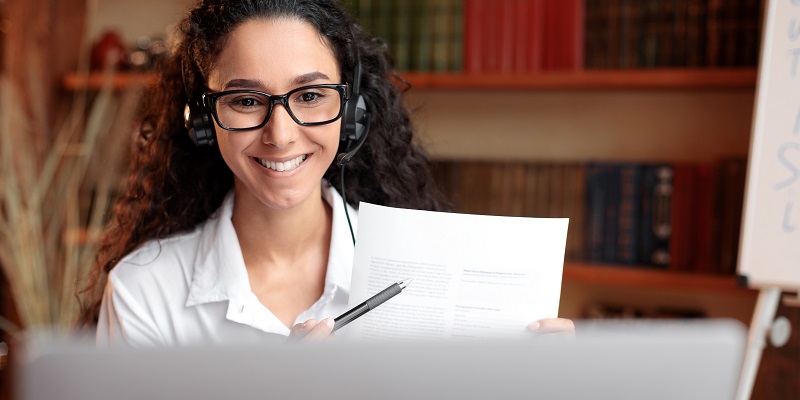
In today’s digital age, remote interviews have become a common practice for many companies. Conducting these interviews effectively is crucial in assessing candidates accurately and ensuring a positive candidate experience. In this comprehensive guide, we will explore the key strategies and best practices for conducting successful remote interviews.
Allocate Time for Informal Conversation
Building rapport with the candidate is essential in any interview, including remote ones. By allocating time for informal conversation at the beginning or end of the interview, you create a more relaxed atmosphere where the candidate feels at ease. This small step can significantly impact the overall interview experience.
Have a Practice Session
To ensure a smooth and seamless interview process, it is crucial to have a practice session beforehand. Familiarize yourself with how each remote interview platform works, such as Zoom, Skype, or Microsoft Teams, to avoid any technical glitches on the actual day. This preparation allows the interview to flow effortlessly, keeping the focus on the candidate’s qualifications and responses.
Interview Logistics in Remote Settings
At times, interview logistics may be overlooked in remote settings, leading to slipshod results. Acknowledge the importance of interviewing logistics and pay attention to details. Test your audio and video equipment, ensure a stable internet connection, and organize any necessary documents or materials before the interview. These small logistical considerations make a significant difference in the overall interview experience.
An engaging conversation is key to effectively assessing a candidate’s qualifications. Ask thought-provoking questions that encourage them to talk about their background, skills, and experiences. By keeping the candidate engaged throughout the interview, you can gather relevant information and make a more informed hiring decision.
Being Mindful of Video Presence
During remote interviews, it is crucial to remember that the candidate can see you even when you are not talking. Maintaining professionalism and focus at all times is essential. Be aware of your facial expressions, body language, and overall presentation. This mindfulness ensures that the candidate feels respected and valued throughout the interview process.
Creating a Seamless and Engaging Virtual Experience
Take advantage of the remote setting to showcase your company’s culture and values. Create a seamless and engaging virtual experience that gives candidates a glimpse into your organization. Share relevant company information, highlight employee success stories, and emphasize what makes your company unique. This approach not only helps attract top talent but also promotes a positive candidate experience.
Dressing Appropriately and Setting a Clean Background
Presentation matters in a remote interview. Dress professionally, just as you would for an in-person interview, to convey a sense of seriousness and respect. Additionally, ensure that your background is clean and uncluttered. Eliminate any potential distractions that could take the focus away from the interview. These small visual details can significantly impact how the candidate perceives your professionalism and attention to detail.
Embracing Technology and Thorough Preparation
Embrace the technology available for remote interviews and use it to your advantage. Familiarize yourself with remote interview tools, such as screen sharing or virtual whiteboards, to enhance the interview experience. Additionally, prepare thoroughly by reviewing the candidate’s resume, jotting down key questions, and considering potential follow-up inquiries. Being well-prepared demonstrates your commitment to conducting a meaningful interview.
Ensuring Clear and Consistent Communication
Effective communication is vital throughout the remote interview process. Clearly communicate interview instructions, expectations, and any follow-up steps. Maintain consistency in your communication style and promptly respond to any candidate queries. Minimizing misunderstandings and maintaining clarity fosters a positive candidate experience and reinforces your organization’s professionalism.
Mastering the art of conducting effective remote interviews involves careful consideration of various factors. By allocating time for informal conversation, familiarizing yourself with the platform, paying attention to interview logistics, asking engaging questions, minding your video presence, creating a seamless virtual experience, dressing appropriately, embracing technology, and ensuring clear communication, you can enhance the quality of your remote interviews. These strategies contribute to a thorough assessment of candidates while leaving a lasting positive impression. Start implementing these best practices today to elevate your remote interviewing process.