

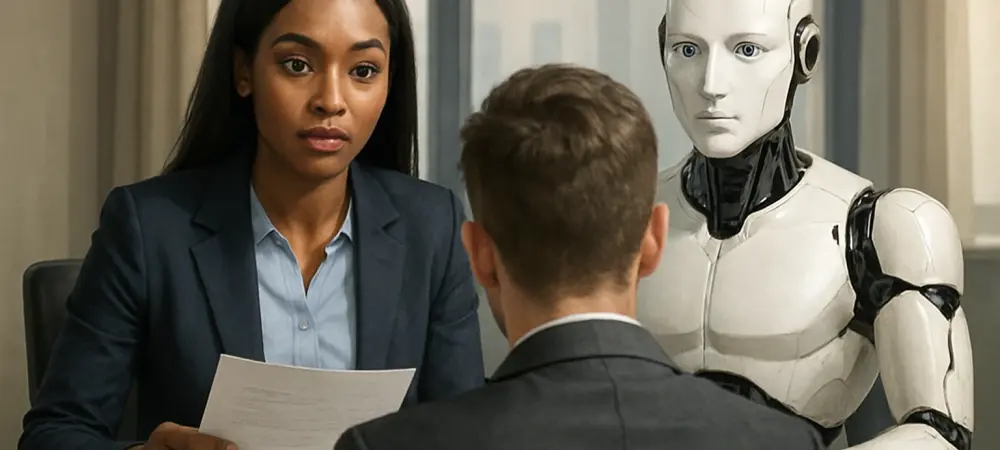
The rapid integration of artificial intelligence (AI) into hiring processes has sparked both fascination and unease among job seekers and industry professionals alike, creating a complex landscape of opinions. Picture a scenario where a candidate, eager to impress, logs into a video call for a job interview, only to be met with an interviewer whose responses seem unnervingly mechanical. Was it a human or a machine on the other side of the screen? This roundup dives into a viral Reddit user’s eerie experience that ignited widespread debate, gathering diverse opinions, tips, and reviews from online communities, tech forums, and industry discussions. The purpose is to explore the implications of AI in recruitment, weigh contrasting perspectives, and offer clarity on navigating this evolving landscape.
Voices from the Web: Community Reactions to a Strange Interview
A Reddit user’s detailed account of a peculiar job interview has captured the internet’s attention, with many questioning whether an AI conducted the session. The candidate described robotic head tilts, overly rehearsed answers, and a seamless recovery from a screen freeze, raising suspicions about the interviewer’s authenticity. Online reactions ranged from humorous quips about AI-to-AI interview loops to serious concerns over transparency, reflecting a broad spectrum of curiosity and apprehension.
Social media platforms buzzed with varied takes on the incident, showcasing a divide in public sentiment. Some users embraced a lighthearted view, joking that candidates should counter with their own AI tools if companies deploy virtual interviewers. Others expressed frustration, arguing that undisclosed AI use erodes trust in the hiring process, with several pointing out the need for clear communication to maintain fairness in such interactions.
Beyond humor and critique, a significant portion of the online community highlighted the broader implications of this trend. Commenters on tech forums noted that while AI might streamline initial screenings, its use in personal interactions like interviews could alienate candidates. This diversity of opinion underscores a growing tension between technological innovation and the human element in professional settings.
Industry Perspectives: AI’s Role in Modern Recruitment
Insights from hiring professionals and tech industry discussions reveal a complex picture of AI’s integration into recruitment. Many acknowledge that AI tools are increasingly used for tasks like resume screening and preliminary interviews, especially in sectors such as tech and finance. These platforms, designed to mimic human interaction, aim to save time and reduce bias, though their effectiveness in fostering genuine connection remains under scrutiny.
Contrasting views emerge when examining the long-term impact of such technology. Some industry leaders argue that AI enhances efficiency, allowing companies to process large volumes of applications with precision over the coming years, from 2025 to 2027. However, others caution that over-reliance on automated systems risks depersonalizing the candidate experience, potentially deterring top talent who value authentic engagement during the hiring journey.
A recurring concern among recruitment specialists centers on ethical deployment. There is a consensus that while AI can be a powerful tool, its use must be balanced with policies ensuring candidates are informed about who—or what—they are interacting with. This perspective aligns with calls for regulatory frameworks to guide the application of AI in high-stakes scenarios, safeguarding trust in employer-candidate dynamics.
Ethical Debates: Transparency and Trust in AI Hiring
Community Concerns: The Right to Know
Delving into ethical considerations, online discussions frequently emphasize the importance of transparency when AI is involved in interviews. Many users who commented on the Reddit post felt a sense of betrayal upon suspecting they might have interacted with a bot without prior notice. This sentiment reflects a broader demand for honesty in recruitment practices to prevent candidates from feeling misled or undervalued.
Forum threads on professional networking sites further amplify this concern, with users sharing personal anecdotes of unsettling interview experiences. A common thread is the belief that companies have a moral obligation to disclose the use of AI, especially in roles where personal judgment and rapport are critical. Such openness, they argue, could mitigate discomfort and foster a more equitable process for all parties involved.
The ethical debate also touches on legal dimensions, with some community members referencing past cases where AI tools in hiring were challenged for overstepping boundaries, such as functioning as unverified assessment mechanisms. While opinions differ on the extent of regulation needed, there is a shared view that without clear guidelines, the risk of eroded trust looms large in professional interactions.
Industry Solutions: Balancing Innovation and Ethics
Turning to industry insights, there is a push for actionable strategies to address transparency issues. Hiring managers and tech developers in recent discussions advocate for upfront disclosure when AI systems are used, suggesting that candidates receive a brief notice before interviews begin. This approach, they believe, could preserve trust while still leveraging the benefits of automated tools.
Another perspective focuses on hybrid models, where AI handles initial screenings but human recruiters step in for deeper conversations. Proponents of this method argue that it maintains a personal touch, addressing candidate concerns about interacting solely with machines. Such a balance aims to harness efficiency without sacrificing the warmth of human connection in pivotal moments.
Additionally, some industry voices propose ongoing training for HR teams to better understand AI tools and communicate their use effectively. By equipping staff with the knowledge to explain how and why AI is implemented, companies can demystify the process for applicants. This proactive stance is seen as a way to align technological advancements with ethical standards in recruitment.
Practical Tips: Navigating AI in the Hiring Process
For candidates unsettled by the possibility of facing an AI interviewer, community and industry tips offer guidance on approaching such scenarios. One widely shared suggestion is to ask direct questions at the start of an interview about whether the interaction involves automated systems. This upfront inquiry can clarify the nature of the exchange and set expectations accordingly.
On the company side, insights from HR forums stress the importance of integrating disclosure into standard protocols. Firms are encouraged to include a brief statement in interview invitations, informing candidates if AI will play a role. This small step is viewed as a significant gesture toward building confidence and ensuring a transparent candidate experience.
Another practical piece of advice targets job seekers preparing for tech-driven interviews. Online communities recommend familiarizing oneself with common AI interview platforms and their typical formats, which can reduce anxiety and improve performance. Staying informed about these tools empowers candidates to adapt, turning uncertainty into an opportunity for strategic preparation.
Reflecting on the AI-Human Divide in Hiring
Looking back on the discussions sparked by a Reddit user’s unnerving interview experience, it is clear that the intersection of AI and hiring has ignited passionate debates across various platforms. The range of opinions—from witty online banter to thoughtful industry analyses—highlights a shared concern for maintaining authenticity amid rapid technological change. Reflecting on these insights, the conversation underscores a critical need for balance between efficiency and personal connection. As a next step, companies are urged to prioritize transparent communication, ensuring candidates know when they interact with AI systems. Job seekers, meanwhile, can benefit from proactively seeking clarity and staying updated on recruitment tech trends. Moving forward, fostering collaboration between tech developers, HR professionals, and regulatory bodies offers a promising path to establish ethical guidelines, ensuring that innovation in hiring complements rather than compromises human values.