

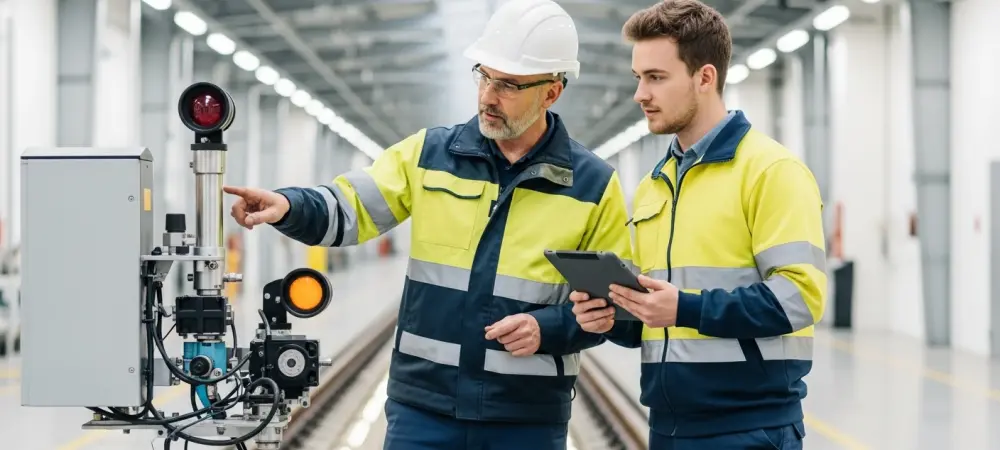
The ambitious blueprints for next-generation high-speed rail networks and modernized urban transit systems promise a future of seamless connectivity, yet a fundamental, human-centric vulnerability threatens to bring this progress to a standstill. While funding and engineering prowess capture headlines, a growing chasm between the demand for specialized talent and its availability is becoming the most significant impediment to the successful delivery of major rail projects worldwide. This report examines the critical nature of this skills crisis, its cascading consequences, and the strategic imperatives required to build a workforce capable of realizing the industry’s monumental ambitions.
The New Age of Rail: Ambition on an Unprecedented Scale
Across the globe, a rail renaissance is underway, defined by projects of unprecedented scale and technological sophistication. Nations are investing heavily in high-speed lines to shrink distances between major economic hubs, expanding mass transit to create smarter, more livable cities, and modernizing freight networks to build resilient supply chains. This renewed focus on rail is driven by its immense value as a catalyst for economic growth, a tool for social connectivity, and a cornerstone of sustainable transportation policy in an era of climate consciousness.
The industry’s expansion encompasses several distinct yet interconnected market segments. Infrastructure development, involving the design and construction of everything from tracks and tunnels to stations and power systems, forms the physical backbone. Parallel to this, rolling stock manufacturing is advancing rapidly, producing trains that are faster, more efficient, and integrated with sophisticated passenger information systems. Tying it all together is the burgeoning field of digital systems integration, where cutting-edge technology is revolutionizing how railways operate.
This transformation is heavily influenced by rapid technological advancements that are reshaping the very nature of rail work. Digital signaling and automated train control systems are replacing decades-old analog infrastructure, promising enhanced safety and capacity. Simultaneously, the proliferation of sensors and data analytics is enabling predictive maintenance, allowing operators to address potential faults before they cause disruptions. These innovations, while promising immense benefits, also fundamentally alter the skill sets required to build and maintain the railways of tomorrow.
The Widening Chasm: Pinpointing the Skills Crisis
Forces Fueling the Workforce Shortage
The skills deficit plaguing the rail sector is not a sudden development but the result of several powerful, converging forces. A primary driver is a demographic shift; a significant portion of the experienced engineering and technical workforce is approaching retirement age, creating a looming exodus of institutional knowledge and practical expertise. This wave of retirements creates a vacuum that is proving incredibly difficult to fill, as decades of hands-on experience cannot be replicated overnight.
Compounding this issue is the intense competition for talent from adjacent industries. Booming infrastructure sectors, from renewable energy to telecommunications, are vying for the same pool of engineers, project managers, and skilled technicians. Furthermore, the technology sector’s allure draws digitally-savvy professionals away from traditional industries like rail. This cross-sector rivalry puts rail at a disadvantage, forcing it to compete aggressively on salary, benefits, and career prospects to attract the professionals it desperately needs.
The problem is magnified by the concurrent scheduling of multiple mega-projects within the same regions, creating an unsustainable surge in demand for a finite number of specialists. When several large-scale schemes run simultaneously, they inevitably cannibalize the same limited talent pool, driving up labor costs and leaving smaller projects critically understaffed. Moreover, the industry is grappling with an evolving competency landscape; the traditional focus on civil and mechanical engineering is no longer sufficient, as there is now a pressing need for new expertise in digitalization, data science, and cybersecurity to manage the complex, interconnected systems of modern railways.
Quantifying the Deficit: A Statistical Snapshot
Market data paints a stark picture of the skills crisis, revealing critical shortages in specific, high-demand roles. Signaling engineers, electrification specialists, systems integration experts, and experienced project managers are consistently cited as the most difficult positions to fill. The scarcity of these professionals acts as a bottleneck, slowing progress on a wide range of essential project milestones from design and planning through to commissioning and testing.
The disparity between ambition and reality becomes clear when juxtaposing industry growth projections with forecasts of available skilled labor. While the pipeline of major projects slated for the coming years indicates a sharp increase in workforce demand, the number of new entrants and qualified professionals in the market is not keeping pace. This growing gap suggests that without significant intervention, the labor supply will be insufficient to meet the sector’s needs, turning a pressing challenge into a chronic crisis. The tangible impacts are already visible in key performance indicators, with rising labor costs eroding project budgets and extended timelines becoming the norm rather than the exception.
The Domino Effect: How a Talent Shortage Halts Progress
The skills gap is not an abstract challenge; it creates a series of direct and damaging obstacles that can halt progress on the ground. When contractors are unable to source qualified personnel, carefully planned project schedules begin to unravel, leading directly to significant delays, missed deadlines, and a cascade of logistical problems. These stalls are not only frustrating but also damaging to public and investor confidence.
The financial repercussions are equally severe. In a high-demand, low-supply labor market, the few available specialists can command premium wages, causing recruitment and labor costs to spiral. This unplanned expenditure forces project managers to make difficult choices, often leading to budget overruns or cuts in other essential areas. The struggle to find talent consumes valuable management time and resources that could be better spent on core project delivery, further diminishing efficiency.
Beyond the logistical and financial consequences lies the critical issue of compromised quality and safety. In an effort to fill vacancies and keep projects moving, organizations may be tempted to use less-experienced personnel in roles that demand deep expertise. This can lead to substandard workmanship, requiring costly rework and potentially compromising the long-term integrity of the infrastructure. Most alarmingly, in a safety-critical environment like rail, placing undertrained staff in key positions introduces unacceptable risks, undermining the industry’s paramount commitment to operational safety.
Navigating the Red Tape: Compliance and Competency Mandates
The rail industry operates within a stringent regulatory landscape designed to ensure the highest standards of safety and reliability. Many roles require specific, safety-critical certifications and a demonstrable understanding of complex operating standards. This rigorous framework, while essential, exacerbates the skills challenge because qualifications are not easily transferable; an experienced engineer from another infrastructure sector cannot simply transition into a key rail position without undergoing extensive, specialized training and assessment.
National policies on apprenticeships, vocational training, and immigration also play a significant role in shaping the available talent pool. While well-structured apprenticeship programs can create a steady pipeline of new talent, their effectiveness depends on sustained investment and close collaboration between government and industry. Similarly, immigration policies can either facilitate the recruitment of international experts to fill immediate gaps or create barriers that restrict access to a global talent market, further straining domestic labor resources.
At the heart of the challenge is the need for a deep, ingrained understanding of unique railway operating principles and protection systems. Competence in these areas is not acquired through short courses; it requires long-term, specialized training and years of hands-on experience. Developing this level of expertise is a significant investment in time and resources, and there are no shortcuts. A shortage of personnel with this foundational knowledge can force operational compromises that jeopardize the safety and efficiency of the entire network.
Building the Future Workforce: Innovation and Adaptation
Addressing the skills crisis requires a fundamental shift toward proactive and innovative workforce development. The future of training in the rail sector lies in leveraging technology to create more effective and accessible learning experiences. Advanced simulation tools, including virtual and augmented reality, are emerging as powerful solutions, allowing trainees to gain hands-on experience in complex, safety-critical scenarios without the risks or logistical challenges of working on a live railway.
The rise of automation and artificial intelligence presents both a solution and a new challenge. Automated systems for track inspection and maintenance can augment human roles, alleviating pressure in certain labor-intensive areas and improving efficiency. However, these same technologies create new demands for digital literacy and data analysis skills across the workforce, meaning upskilling existing employees is just as critical as recruiting new talent.
Ultimately, a sustainable solution depends on the creation of robust, proactive talent pipelines through strategic partnerships. This involves a collaborative ecosystem where industry leaders, government bodies, and educational institutions work in concert to align curriculum with future industry needs, co-design apprenticeship and graduate programs, and promote rail careers to the next generation. By doing so, these partnerships can move the sector from a reactive hiring model to a strategic approach that cultivates the skilled workforce it needs for long-term success.
A Call to Action: Steering Rail’s Future Back on Track
The evidence confirms that the skills gap is not a secondary concern but a foundational threat to the delivery of major rail projects. No amount of funding or engineering ingenuity can compensate for a workforce that is understaffed or inadequately skilled. The timely and cost-effective completion of the world’s most ambitious rail infrastructure hinges directly on the ability to deploy the right people with the right competencies at the right time.
This challenge, however, also presents an opportunity for the industry to redefine its approach to human capital. By reframing the skills deficit as a catalyst for strategic investment, stakeholders can build a more resilient, capable, and sustainable workforce. This requires a paradigm shift away from reactive, short-term hiring and toward a long-term vision for talent development as a core pillar of project planning and execution.
The path forward demands decisive action from all stakeholders. Implementing long-term, data-driven workforce planning from the earliest stages of a project is essential, coupled with sustained investment in upskilling and reskilling programs to ensure the current workforce can adapt to new technologies. Fostering a culture of continuous learning and professional development will not only enhance capabilities but also make the rail sector a more attractive career destination. The future prospects of the global rail renaissance are bright, but its success is entirely contingent on the industry’s collective commitment to building the skilled workforce of tomorrow, today.