

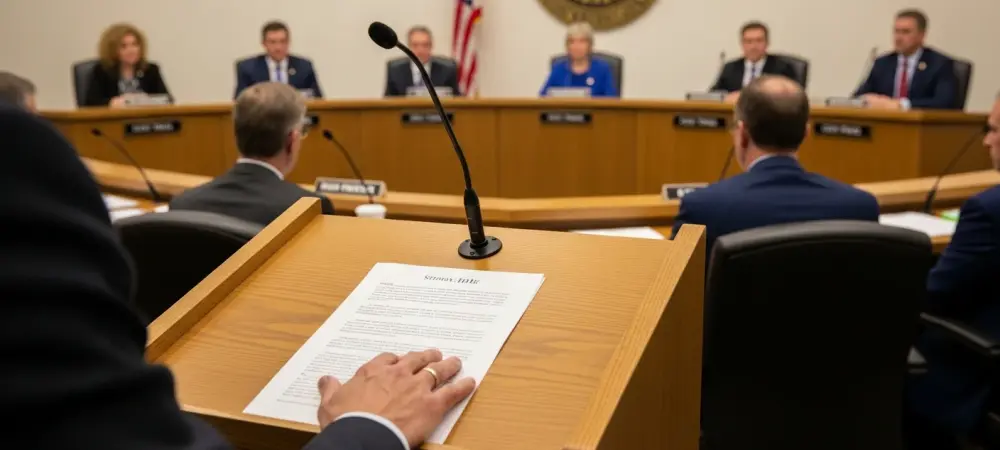
As a new year commences, city leaders in Springfield are preparing to formally confront a pivotal question that could reshape the municipality’s fiscal landscape for years to come: the implementation of a new payroll tax. This proposal, aimed at stabilizing a strained city budget and lessening the community’s dependence on property tax revenue, is poised to become a central topic of public discourse and political debate. While the tax itself could not be levied until 2027 at the earliest, the groundwork for this significant policy shift is being laid now, forcing residents and business owners alike to consider the long-term implications of introducing a new mechanism for funding essential public services. The discussions, set to begin in earnest, will test the community’s appetite for new taxes against the backdrop of rising costs and persistent financial challenges.
The Mechanics of the Proposed Tax
Drawing Inspiration from a Neighboring City
The framework for Springfield’s potential payroll tax takes cues from a system already in place in the neighboring city of Eugene, though with notable distinctions that reflect Springfield’s unique economic and political climate. The core concept involves a shared financial responsibility, splitting the tax burden between employers and employees. Springfield’s initial proposal suggests a rate of 0.1%, a figure intended to be a starting point for discussion. This approach stands in contrast to Eugene’s more multifaceted model, which implements a higher base rate for most businesses while incorporating specific provisions to ease the impact on smaller enterprises and low-wage workers. For instance, Eugene’s system provides exemptions for employees earning minimum wage and offers a reduced rate for very small businesses, demonstrating a tiered strategy aimed at protecting the most vulnerable segments of the economy. The genesis of this idea in Springfield stems from the work of a special advisory committee, a diverse group of local government officials, prominent business figures, and community representatives tasked with exploring sustainable solutions to the city’s chronic budget shortfalls. Their recommendation of a payroll tax was one of several strategies put forth to create a more resilient and diversified revenue stream.
Allocating the New Revenue Stream
A critical point of divergence from the Eugene model, and a subject of intense public interest in Springfield, is the undecided allocation of the potential tax revenue. Whereas Eugene’s ordinance strictly dedicates the funds generated to specific, high-priority areas—namely police, fire, and homeless services—Springfield has yet to earmark the proceeds for any particular purpose. This ambiguity has opened the door for robust community engagement, with residents and local organizations advocating for their own priorities. A prominent voice in this conversation has been the staunch support for the city library, an institution that has faced significant funding reductions during several consecutive difficult budget cycles. At a recent public hearing, the sentiment was palpable as several citizens, including local resident Jessica Winans, expressed a willingness to support a tax rate even higher than the one proposed, on the condition that a dedicated portion of the revenue would be guaranteed to restore and secure library funding. This groundswell of support highlights a community desire not just for new revenue, but for targeted investments in public amenities that directly impact quality of life, setting the stage for a complex debate over how to best utilize these potential new funds.
Leadership and Community Perspectives
A Call for Caution and Comprehensive Planning
In response to the passionate community pleas, particularly concerning the library, Springfield Mayor Sean VanGordon has advocated for a more measured and holistic approach to the allocation of any new tax revenue. While publicly acknowledging the library’s legitimate needs and the strong community support it enjoys, the mayor has been quick to remind constituents of the city’s extensive and varied financial obligations that extend far beyond a single department. He has pointed to a significant backlog of deferred maintenance projects that are critical to the city’s core functions, including deteriorating roads, aging public buildings, and essential equipment for fire services. These less visible but equally vital needs represent a substantial financial burden that must be addressed to ensure public safety and operational stability. Mayor VanGordon stressed that there is a finite limit to the payroll tax rate that the local economy and its workforce can sustainably bear. He urged patience, explaining that city staff require adequate time to conduct thorough analyses and develop a range of detailed, data-driven options for the city council’s consideration. This process, he argued, is necessary to ensure that any decision made is both fiscally responsible and strategically sound for the city’s long-term health.
A Deliberate Path Forward
As the holiday recess concluded, the stage was set for in-depth deliberations to begin in January, placing the payroll tax proposal at the forefront of the city council’s agenda. The initial discussions were defined by the challenge of balancing the immediate and vocal desires of the community with the less glamorous, yet fundamentally critical, long-term needs of the city’s infrastructure. The passionate advocacy for the library served as a powerful testament to the community’s engagement, but it also highlighted the complexities leaders faced in allocating limited resources across a wide spectrum of essential services. The path forward required a meticulous evaluation of the city’s comprehensive financial picture, weighing the political appeal of funding popular public amenities against the fiscal prudence of addressing deferred maintenance and bolstering core emergency services. The council’s task was not merely to decide on a tax rate, but to forge a consensus on the very vision of Springfield’s future and the priorities that would define it. The outcome of these impending conversations ultimately shaped the city’s strategy for achieving fiscal stability.