

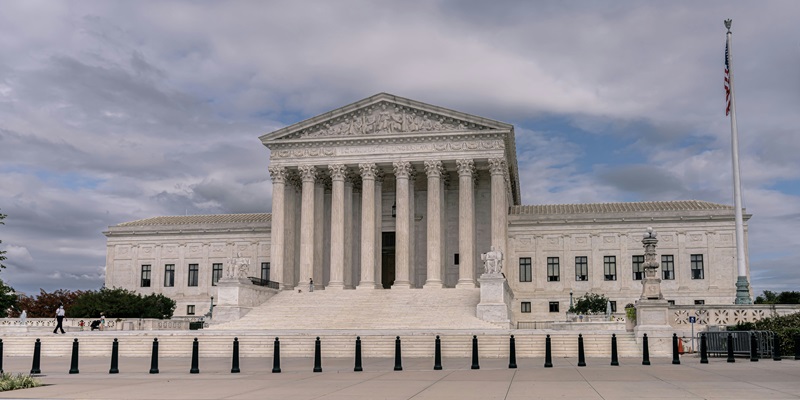
The Supreme Court is currently grappling with two significant cases that could have far-reaching implications for whistleblower protections and employment discrimination laws. In Murray v. UBS Securities, LLC, the Court is evaluating the burden of proof placed on whistleblowers seeking protection from retaliation under the Sarbanes-Oxley Act. Meanwhile, in Muldrow v. City of St. Louis, the Court faces a challenge to the interpretation of Title VII of the Civil Rights Act and its application to sex discrimination claims. The rulings in these cases are eagerly anticipated and hold the potential to reshape workers’ rights and legal safeguards in the United States.
Murray v. UBS Securities, LLC
The Murray case centers around the threshold whistleblowers must meet to seek protection from retaliation under the Sarbanes-Oxley Act. The court’s decision will have enormous consequences because it determines the burden of proof whistleblowers must carry. If the court requires whistleblowers to prove retaliatory intent, rather than placing the burden on employers to prove its absence, it could create additional challenges for employees seeking justice. Making whistleblowers shoulder heavier burdens of proof would not only harm their ability to bring forth legitimate claims of retaliation but also discourage employees from exposing misconduct within publicly traded companies.
Muldrow v. City of St. Louis
Muldrow v. City of St. Louis explores the interpretation of Title VII of the Civil Rights Act of 1964, which prohibits employment discrimination on various grounds. The case questions whether discrimination claims should require a loss of pay or benefits to be legally significant. Jatonya Muldrow, an intelligence officer in the St. Louis police department, alleges that she was demoted due to her supervisor’s desire to replace her with a male colleague, despite her pay and benefits remaining the same. The Court’s ruling in this case could potentially confirm and expand the trend in lower courts of recognizing more actions as discriminatory under Title VII or curtail that trend and raise the threshold for employer liability.
One crucial aspect of the Muldrow case is the disputed interpretation and transfer as “adverse action”. The federal trial court and court of appeals emphasized that because Muldrow’s new position offered the same pay, the transfer was not significant enough to constitute “adverse action”. However, this interpretation neglects the broader impact on Muldrow’s career prospects and the potential harm caused by discriminatory intent.
Consequences of the Supreme Court’s Decision in Murray
If the Court requires whistleblowers to prove retaliatory intent, it would favor employers and hinder the ability of whistleblowers to gain protection. This could have a chilling effect on those seeking to expose corporate misconduct, potentially allowing wrongdoing to go unchecked and undermining public trust in the system. Conversely, if the Court shifts the burden of proof onto employers to prove their lack of retaliatory intent, it would provide stronger safeguards for whistleblowers and encourage the reporting of misconduct.
The Court’s ruling in Muldrow will shape the landscape of employment discrimination law. If it affirms the lower courts’ trend of recognizing more actions as discriminatory under Title VII, it would strengthen protections for employees facing discriminatory practices. However, a ruling adverse to Muldrow’s claim could restrict the definition of “adverse action” and make it harder for many workers to successfully bring discrimination claims, potentially diminishing the efficacy of Title VII.
Broader Implications for Employment Law and Worker Rights
The outcomes of these cases extend beyond the immediate parties involved and carry significant consequences for employment practices and worker rights across the United States. The Supreme Court’s rulings can establish precedents that influence future cases and shape the overall legal framework. It is vital for stakeholders to closely monitor and assess the Court’s decisions to understand the shifting boundaries of whistleblower protections and employment discrimination laws.
The Supreme Court’s decisions in Murray v. UBS Securities, LLC and Muldrow v. City of St. Louis bear immense significance for whistleblowers’ ability to seek protection from retaliation and the interpretation of Title VII in employment discrimination claims. The Court’s rulings could either strengthen safeguards for employees facing misconduct or create higher burdens for those seeking justice. Such outcomes hold broader implications for employment law and workers’ rights as they shape the legal framework governing workplace fairness. Vigilance and active monitoring of these cases is crucial to ensure the continued progress and protection of workers’ rights in the United States.