

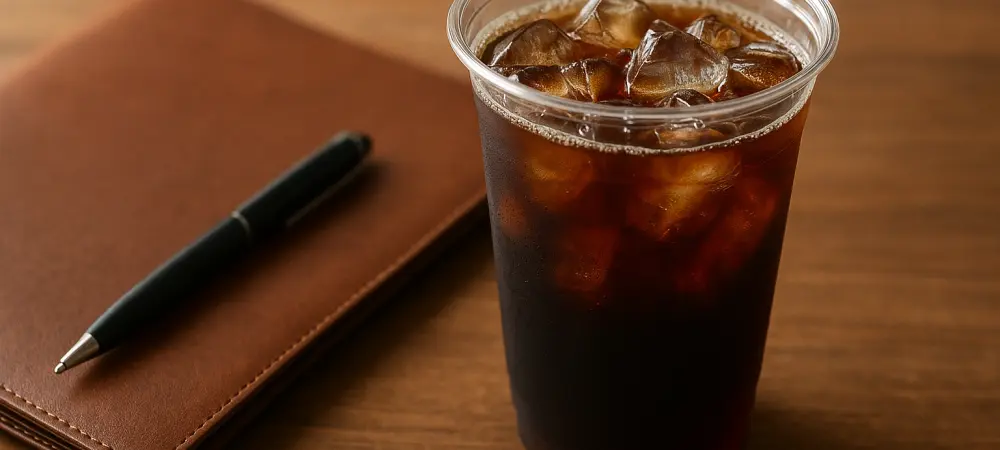
The pragmatic reality of today’s job market suggests that errant details, such as a cold coffee, can provide a reason for a recruiter to find fault with an applicant. This specific debate surged to the forefront of corporate discourse following a viral social media post by a talent acquisition specialist who cautioned younger job seekers against carrying an iced latte into an interview room. In 2026, the definition of professionalism is undergoing a radical transformation, yet the presence of a plastic cup filled with rattling ice remains a point of contention. Critics argue that such a gesture signals a lack of preparation or a belief that the interview is merely a casual errand to be checked off a daily to-do list. Conversely, proponents of a more relaxed approach suggest that these rigid expectations are relics of an era before the normalization of remote work. This cultural clash highlights a fundamental divide in how modern organizations evaluate candidate etiquette and social aptitude today.
First Impressions: The Psychology of Caffeinated Props
Hiring professionals who maintain a traditional stance emphasize that an interview is a high-stakes performance where every visual cue matters. Jason Leverant and other industry leaders suggest that while a beverage might not be the sole reason for a rejection, it serves as a significant distraction that can subtly undermine a candidate’s perceived seriousness. In a landscape where recruiters often have less than an hour to assess a person’s fit, appearing with a coffee in hand can suggest a level of familiarity that has not yet been earned. This perception of social aptitude is critical; if an applicant cannot recognize the formal boundaries of an initial meeting, hiring managers may worry about how they will represent the company in front of high-value clients. The act of carrying a drink creates a prop that draws focus away from the spoken word and toward the physical object, potentially coloring the entire interaction with a sense of informality that could be detrimental to the applicant’s prospects.
Beyond the psychological implications, there are tangible, physical disruptions that an iced beverage introduces into the professional environment. Experts like Robert Hosking point out that the practicalities of a sweaty plastic cup can lead to awkward moments, such as condensation leaving rings on a conference table or making the candidate’s hands too damp for a final handshake. Furthermore, the auditory distraction of ice cubes clinking during a critical explanation can break the rhythmic flow of a sophisticated conversation. These small but cumulative sensory disruptions can shift a recruiter’s mindset from evaluation to annoyance. Unlike a standard internal briefing where employees might regularly sip beverages, the interview is a unique ritual that demands full engagement and minimal external interference. Maintaining a clear space, both mentally and physically, demonstrates a level of respect for the process and ensures that the focus remains entirely on the candidate’s qualifications rather than their hydration.
Cultural Shifts: Prioritizing Expertise Over Aesthetics
On the other side of the debate, a growing cohort of HR leaders argues that the focus on such trivialities is a sign that the recruitment industry has lost its way. Modern professionals like Nadia Alaee suggest that in 2026, where artificial intelligence and specialized technical skills are the primary drivers of value, judging a candidate based on a cup of coffee is an antiquated practice. This group believes that professionalism should be measured by results, adaptability, and the quality of one’s insights rather than adherence to surface-level signals. As the boundaries between home and office have blurred, the expectation for a candidate to perform a sterile, overly formal version of themselves has become increasingly disconnected from the reality of modern work life. If a hiring manager is more concerned with the temperature of a liquid than the candidate’s ability to solve complex problems, it may indicate a failure to prioritize human potential over surface-level aesthetics.
This shift in perspective also frames the iced coffee incident as a valuable cultural litmus test for the job seeker. Advocates for a more relaxed standard, such as Alana Brandes, argue that a candidate’s choice to bring a beverage can reveal much about the compatibility between an individual and a company’s internal culture. If an organization is so rigid that a caffeinated drink is considered a dealbreaker, it may be a red flag for a candidate seeking a dynamic or innovative workplace. This perspective highlights a potential double standard within the corporate hierarchy, where recruiters and managers often enjoy comforts that they simultaneously deny to those seeking entry into the firm. By moving away from these gatekeeping rituals, companies can foster a more inclusive atmosphere that welcomes diverse backgrounds and personal styles. Prioritizing human connection over rigid etiquette allows for a more genuine exchange of ideas, ensuring that the best-fit talent is selected based on their potential.
Strategic Outcomes: Lessons From a Divided Landscape
Despite the ideological divide between traditionalists and modernists, the pragmatic consensus among career strategists remains rooted in risk mitigation. Experts like Catherine Fisher of LinkedIn suggest that because the job market is currently characterized by high competition and subjective human judgment, candidates should err on the side of caution. Even if many recruiters find a coffee harmless, the risk of encountering one who finds it offensive is high enough to warrant leaving the beverage in the car or the lobby. In 2026, the path to success in an interview is often found by removing as many variables as possible that could lead to a negative perception. This better safe than sorry approach does not necessarily mean returning to the era of three-piece suits, but it does mean being mindful of how small choices can be interpreted by a diverse range of hiring professionals. The objective is to ensure that the recruiter’s focus remains on the candidate’s expertise and strategic thinking.
In the aftermath of these discussions, job seekers recognized that developing a keen sense of situational awareness was essential to navigating these evolving standards. While the debate over iced coffee appeared minor, it served as a poignant reminder that every detail of a professional interaction communicated a specific message. Candidates researched company cultures through digital platforms to gauge expected levels of formality before they arrived at meetings. In traditional sectors, conservative choices proved to be the most effective strategy for securing offers. Conversely, in creative industries, a more relaxed presence was welcomed, provided it did not detract from the candidate’s core professional narrative. The ultimate takeaway from this industry-wide dialogue was that professionalism in 2026 was defined by intentionality. By making deliberate choices regarding their presentation, applicants demonstrated that they were both socially aware and fully prepared to contribute to their future employer’s goals.