

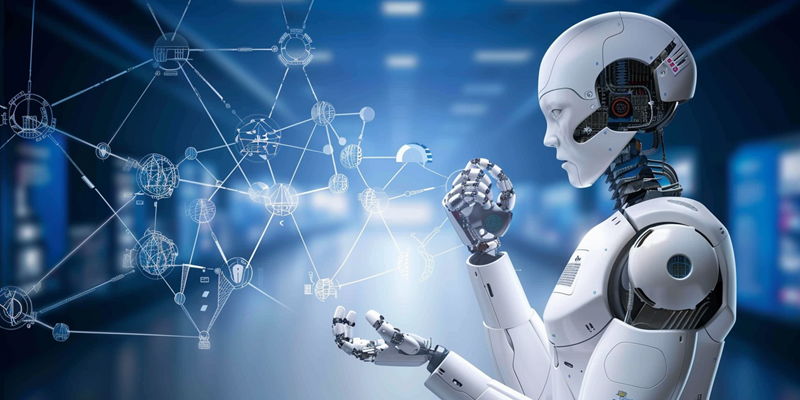
The wave of innovation washing over the modern job landscape is largely powered by artificial intelligence (AI). As this intelligent automation becomes increasingly entrenched in various sectors, the career implications for professionals are profound and far-reaching. No longer can one rely solely on conventional skills; the workforce of the future mandates a deft balance of technical know-how, sector-specific expertise, and ethical judgment. Thriving in this AI-driven era requires a proactive stance on personal development and a readiness to adapt to new roles and responsibilities that are continually being forged in this digital crucible.
Embracing AI in the Workplace
In the face of this relentless technological tide, employees who skillfully harness the capabilities of AI can find themselves at an advantage, optimizing their job performance and unlocking new paths for career advancement. Understanding the impact of AI on your industry is no longer optional—it’s becoming as fundamental as the mastery of basic job skills was in the past. This comprehension allows one to perceive the shifting landscape, highlighting the technical and ethical skills one needs to refine. As for preparing for emerging roles, it requires a keen eye on the job market and the foresight to anticipate necessary qualifications. Those who actively pursue these qualifications through various learning pathways position themselves to ride the crest of this revolutionary wave rather than be swept away by its undercurrents.
With AI reshaping existing roles and creating entirely new categories of jobs, professionals must respond with agility. Anticipating the needs of these new positions and understanding what it takes to excel in them is the hallmark of proactive career management. Whether it’s learning to analyze vast amounts of data or understanding the intricacies of automated systems, the focus must be on building a diverse skill set that is as dynamic as the technology itself.
Technical Proficiency and Continuous Learning
The bedrock of any career intertwined with AI is technical proficiency. A solid grasp of programming languages such as Python, Java, and R, along with knowledge of machine learning algorithms and the ability to visualize and interpret data, is indispensable. These skills are pivotal in parsing the complex datasets that underpin intelligent decision-making.
However, technical skills alone are not sufficient. In a field that is continually pushing the boundaries of what’s possible, the aptitude for lifelong learning keeps one’s competencies sharp and relevant. Formal education through degree programs, specialized certifications, and a wealth of online courses can equip professionals with an industrial-grade understanding of AI. The journey doesn’t end with a diploma or certification, though. Staying at the forefront of AI developments means embracing a culture of ongoing education and skills enhancement—an endeavor as robust and inexhaustible as the technology itself.
Sector-Specific Expertise
A crucial element of wielding AI effectively is understanding its particular impact on your industry. Each sector encounters unique AI-induced challenges and opportunities. Professionals must tailor their skill sets to address these specific scenarios, enhancing their sector-specific expertise to harness AI’s potential to solve problems, increase efficiency, and drive innovation.
Concurrently, as AI systems become more pervasive, the ethical implications come into sharper focus. Issues such as data privacy, algorithmic bias, and the demand for transparency in technological applications are casting an ever-larger shadow across industries. It’s imperative that professionals develop a strong ethical compass to navigate these complex issues responsibly and maintain public trust in the technologies they implement.
Soft Skills and Problem-Solving Abilities
AI may transform the technical landscape, but the importance of soft skills remains undiminished. Companies highly value the ability to think critically, solve complex problems, and communicate effectively, especially since these abilities are not readily replicated by AI. Developing these competencies ensures you’re equipped to navigate the nuanced challenges that AI can’t address alone.
Moreover, adaptability can’t be overstated. In an environment that’s as dynamic as the AI industry, being able to adjust to new tools and methodologies is a coveted trait. Forward-thinking professionals recognize the necessity of lifelong learning and are prepared to evolve alongside the AI systems they employ. This commitment to adaptability not only solidifies one’s relevance but also propels career growth and innovation.
Hands-On Experience and Networking
Gaining hands-on experience with AI technologies and networking within the field are equally vital components of career advancement. Working on real-world projects provides practical knowledge that enhances theoretical understanding, while connecting with peers and industry leaders opens doors to opportunities that may not be traditionally advertised.
Developing a strong professional network can also offer insightful perspectives on where the industry is heading and what skills will be in demand. As the interplay between AI and human expertise becomes more integrated, the symbiosis of technical capability, continuous learning, proactive networking, and adaptive problem-solving presents the best path forward for professionals looking to thrive in this new era.