

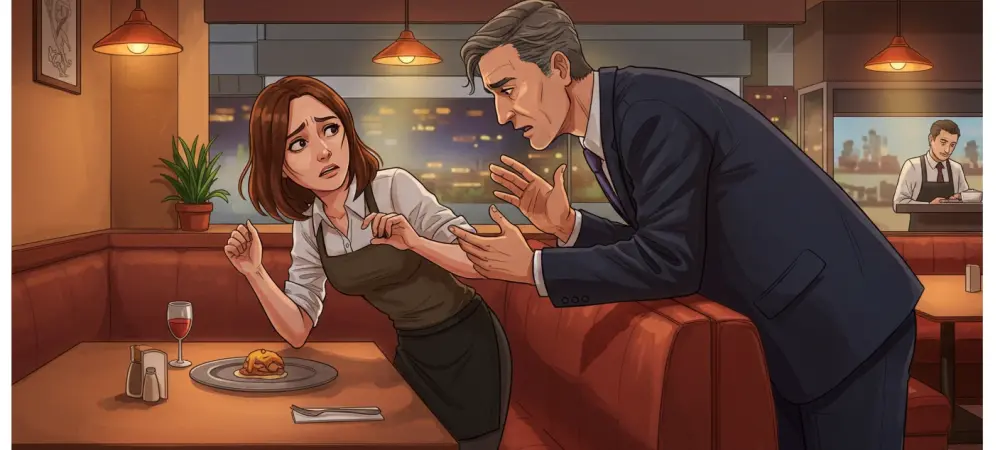
In an era where workplace safety remains a pressing concern, the U.S. Equal Employment Opportunity Commission (EEOC) has intensified its efforts to combat sexual harassment, particularly within the restaurant industry, which is often plagued by hostile environments. Recent legal actions taken on July 30 against two establishments—Boss Man Tacos in Highland, Indiana, and Scalo Restaurant in Albuquerque, New Mexico—demonstrate a resolute stance against such misconduct. These lawsuits, spotlighted in a detailed report by HR Dive, expose not only the pervasive nature of harassment faced by female employees but also the agency’s determination to hold employers accountable. Under the leadership of Acting Chair Andrea Lucas, who assumed the role earlier this year, the EEOC is sending a powerful message that tolerance of abuse will lead to significant legal repercussions. This renewed focus builds on substantial settlements already secured, reflecting a broader mission to safeguard vulnerable workers and reshape workplace cultures across industries.
Unpacking Recent EEOC Lawsuits in the Restaurant Sector
The EEOC’s recent lawsuits against Boss Man Tacos and Scalo Restaurant reveal deeply troubling patterns of sexual harassment that have no place in modern workplaces. At Boss Man Tacos, allegations detail how male cooks, including the head chef, subjected female servers to physical and verbal abuse, including trapping them in confined spaces like restrooms for groping and making crude, inappropriate remarks—often in full view of the establishment’s owners. Such behavior created an environment of fear and intimidation, stripping employees of their dignity and security. The severity of these actions, which blatantly violate federal anti-discrimination laws, underscores the urgent need for intervention. Beyond individual acts, the cases point to a systemic issue within certain workplace settings where power imbalances enable unchecked misconduct, particularly against women in subordinate roles. The EEOC’s decision to pursue legal action highlights a commitment to addressing these violations head-on, ensuring that victims have a pathway to justice.
Equally alarming are the accusations against Scalo Restaurant, where male managers are alleged to have engaged in inappropriate touching and explicit comments, with some reportedly tying work hours to sexual favors. This predatory behavior not only fostered a hostile work environment but also exploited the vulnerability of female staff who depended on their jobs for their livelihood. Unlike isolated incidents, the harassment at Scalo appears to have been sustained over extended periods, pointing to a culture that either ignored or enabled such actions. The EEOC’s lawsuit emphasizes that such environments are in direct violation of Title VII of the Civil Rights Act of 1964, which prohibits workplace discrimination and harassment. By targeting these specific cases, the agency aims to dismantle toxic dynamics and reinforce that no employee should endure abuse as a condition of employment. These legal actions serve as a stark reminder to businesses everywhere that fostering a safe workplace is not optional but a legal obligation.
Employer Accountability Under Scrutiny
A critical aspect of the EEOC’s lawsuits is the spotlight on employer negligence, which played a significant role in perpetuating harassment at both restaurants. At Boss Man Tacos, owners reportedly dismissed complaints from female employees, with one even trivializing the abuse as behavior typical of “teenage boys,” despite the perpetrators being adults. This cavalier attitude not only failed to protect staff but also emboldened harassers by signaling that their actions would face no consequences. Such inaction represents a clear breach of federal law, which mandates employers to address and rectify hostile work environments promptly. The EEOC’s legal pursuit in this case underscores that turning a blind eye to harassment is as damaging as the acts themselves, holding management accountable for failing to uphold workplace safety standards. This pattern of negligence reveals a troubling gap in oversight that must be addressed to prevent future violations.
Similarly, at Scalo Restaurant, management is accused of allowing harassment to persist for years while retaliating against employees who raised concerns, adding another layer of victimization. This retaliation—whether through reduced hours, hostile treatment, or other punitive measures—creates a chilling effect, discouraging workers from reporting abuse out of fear of losing their jobs or facing further harm. The EEOC’s focus on this aspect of the case highlights how employer inaction can compound the trauma of harassment, making it harder for victims to seek redress. Federal guidelines are explicit in holding companies liable for failing to prevent or correct misconduct, even by non-supervisory staff, if they are aware of the issue. By pursuing these lawsuits, the EEOC aims to drive home the message that employers must proactively foster safe environments, not merely react after damage has been done. This legal stance pushes for a cultural shift toward accountability and responsiveness in workplace management.
Industry-Wide Challenges and EEOC’s Broader Strategy
The restaurant industry, characterized by close-knit work settings and often uneven power dynamics, remains particularly vulnerable to workplace harassment, a reality the EEOC is keenly addressing. Employees in such environments frequently face unique challenges, including limited oversight and high-pressure conditions that can exacerbate tensions and enable misconduct. The agency’s targeted focus on this sector through high-profile lawsuits and class-action efforts reflects an understanding of these systemic risks. Beyond individual cases, the EEOC has issued guidance that reinforces employer liability for harassment, even when committed by lower-level staff, if preventive or corrective measures are not taken. This approach aims to compel businesses to implement robust policies and training programs that prioritize employee safety over operational convenience, addressing the root causes of hostile environments in hospitality settings.
Moreover, the EEOC’s broader strategy under Acting Chair Andrea Lucas involves not just reactive litigation but proactive deterrence, as seen in the simultaneous filing of lawsuits on July 30 and significant settlements secured earlier this year, such as a $415,112 agreement with a major retailer. These actions demonstrate a commitment to both compensating victims and warning other employers of the financial and reputational costs of inaction. By recovering over $1.2 million in damages for harassment cases in recent months, the agency is building a track record of enforcement that seeks to reshape industry standards. The emphasis on public accountability serves as a catalyst for businesses to reevaluate their practices, ensuring that anti-harassment measures are not just policies on paper but active components of workplace culture. This strategic enforcement signals a long-term effort to reduce the prevalence of harassment through both punishment and prevention.
Future Steps for Workplace Safety
Reflecting on the EEOC’s recent efforts, the lawsuits against Boss Man Tacos and Scalo Restaurant mark a pivotal moment in the ongoing battle against workplace harassment. These legal actions, filed on July 30, exposed not only the severity of abuse endured by female employees but also the critical failures of employers to intervene. Under Andrea Lucas’s leadership, the agency has demonstrated an unwavering resolve to uphold federal laws, securing substantial settlements and pursuing simultaneous cases to maximize impact. The focus on employer negligence and retaliation in these cases serves as a powerful reminder of the legal obligations businesses must meet to protect their workforce.
Looking ahead, the path to lasting change requires more than litigation; it demands proactive steps from employers to cultivate safe environments before issues arise. Businesses in the restaurant industry and beyond should prioritize comprehensive training, clear reporting mechanisms, and swift responses to complaints to prevent hostile workplaces. The EEOC’s guidance on liability offers a blueprint for compliance, but true progress hinges on cultural transformation driven by commitment at all levels of an organization. As these cases illustrate, the cost of inaction is steep—both legally and ethically—making it imperative for companies to act now to safeguard their employees and align with evolving standards of workplace decency.