

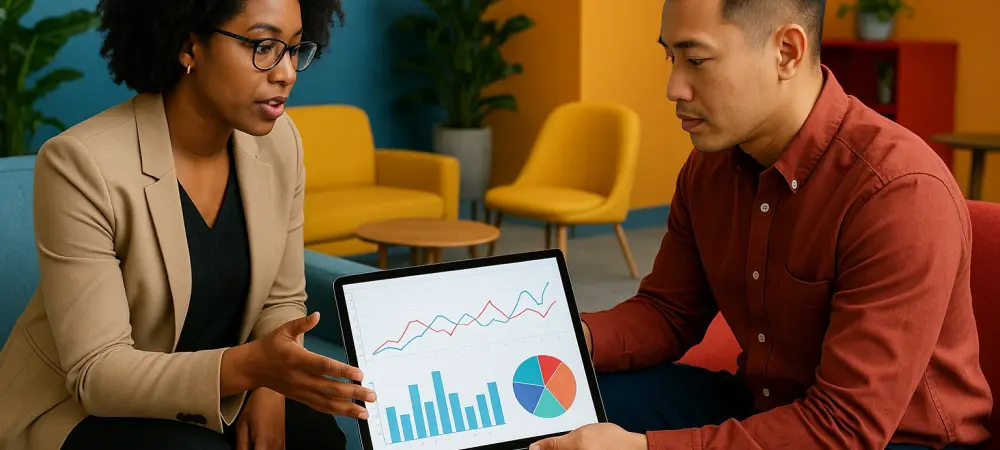
Walking into the bustling headquarters of hipages Group today feels like entering a laboratory where the very definition of human capability is being recalibrated against the backdrop of sophisticated machine intelligence. This Australian tech leader, known for connecting tradies with homeowners, is now at the forefront of a much more complex connection: the intersection of artificial intelligence and human talent acquisition. The traditional recruitment funnel, which relied on static resumes and remote coding challenges, has been effectively dismantled to make room for a more rigorous, observation-based architecture. This evolution marks a departure from standard corporate hiring practices toward a model that assumes AI is already in the hands of every candidate, necessitating a focus on human judgment over automated output.
The End of the Take-Home Test and the Rise of the AI-Augmented Candidate
The traditional “take-home” assignment, once a staple of the tech hiring process, is rapidly becoming a relic of the past at hipages Group. In an era where generative AI can draft a perfect coding solution or a marketing strategy in seconds, the Australian tech firm has realized that remote assessments no longer offer a transparent window into a candidate’s true capabilities. Instead of fighting the tide of automation, the leadership has fundamentally redesigned the interview room to determine where the machine ends and the human talent begins. This shift ensures that technical roles are filled by individuals who possess the foundational logic necessary to troubleshoot the very tools they use. By moving these evaluations into a controlled, live environment, the company has eliminated the ambiguity surrounding the source of the work. These sessions are not designed to punish the use of AI but to see how it is harnessed as an intellectual lever. Hiring managers now look for candidates who can iterate on AI-generated drafts, identifying hallucinations or inefficiencies that an unskilled user might overlook. This transition recognizes that in 2026 and beyond, the value of a professional lies not in the speed of their raw output, but in the critical oversight and ethical guidance they provide to automated processes.
Why the Recruitment Playbook Required an Immediate Rewrite
The democratization of artificial intelligence has fundamentally altered the chemistry of the labor market, creating a paradox of choice for talent acquisition teams across the globe. While AI tools allow job seekers to polish resumes and apply to hundreds of roles with a single click, this “flood” of applications often creates a screen of digital noise that masks genuine talent. For a high-growth company like hipages Group, the challenge is twofold: they must defend against a surge of low-quality or fraudulent AI-generated applications while simultaneously evolving their internal standards to value AI proficiency as a core competency rather than a form of cheating.
This new reality necessitated an immediate rewrite of the recruitment playbook to address the erosion of trust in digital footprints. A resume that looks perfect on a screen may no longer represent a candidate’s actual writing style or professional history, as Large Language Models can synthesize career narratives with alarming ease. To navigate this, the talent team shifted its focus from what a candidate says they can do to how they behave when faced with complex, non-linear problems. The objective is to identify those who use technology to augment their expertise rather than those who use it to manufacture a persona that does not exist in reality.
Strategic Shifts: From Filtering Noise to Validating Skill
The hipages strategy focuses on moving past the initial digital facade to find authentic expertise through a series of intentional operational pivots. To ensure technical integrity, the organization has moved away from unsupervised tests in favor of real-time, in-person assessments. This “open-book” approach treats AI like a calculator; recruiters watch how candidates prompt, refine, and direct the technology to achieve a high-quality outcome, effectively testing their ability to manage the tools of the modern workplace. By observing the workflow live, the firm can distinguish between a user who follows instructions and a master who directs the machine toward excellence.
Simultaneously, as the volume of “bot-made” CVs increases, hipages has integrated sophisticated fraud and spam detection layers into their Applicant Tracking System. By using technology to fight technology, the talent team can automatically filter out generic, AI-synthesized resumes and fraudulent profiles that often plague high-volume job postings. This defensive perimeter ensures that human recruiters spend their time reviewing legitimate, high-potential applicants who have demonstrated a genuine interest in the role. It effectively clears the path for meaningful human interaction by stripping away the synthetic clutter at the top of the funnel.
Despite a “digital-first” mentality, the company maintains a staunch “human-in-the-loop” philosophy. While AI agents handle the repetitive tasks—such as drafting job descriptions, taking briefs, and generating interview scorecards—the final decision-making remains strictly human-led. The firm utilizes talent matching software to surface candidates from massive databases, but recruiters personally review every application to capture the nuances of cultural fit and specific expertise that an algorithm might overlook. This balance ensures that while the process is accelerated by automation, the final selection remains grounded in human judgment and organizational values.
Insights from the Front Lines of Talent Acquisition
According to Jason Lau, Head of Talent Acquisition at hipages Group, the integration of AI is less about reducing the size of the hiring team and more about “leveling up” their strategic impact. The internal perspective suggests that the future of the recruiter role is shifting from a gatekeeper who sifts through paper to a data-driven advocate who consults on business growth. By utilizing AI-generated data and scorecards, recruiters provide hiring managers with evidence-based justifications for their selections, effectively reducing unconscious bias and increasing the overall quality of every hire across the organization.
This shift in focus allows the talent acquisition team to operate with a level of precision that was previously impossible. Instead of being bogged down by the administrative burden of manual screening, recruiters are now tasked with interpreting the data provided by AI matching tools to build a more diverse and skilled workforce. The role has evolved into a strategic partnership where recruiters use insights to forecast talent needs and identify skill gaps before they become critical. This professional evolution ensures that the human element of recruitment remains more relevant than ever, even as the tools become more autonomous.
Practical Frameworks for a Hybrid Recruitment Model
For organizations looking to replicate the hipages approach, the transition requires a balance of high-tech filtering and high-touch human interaction. AI matching tools are only as effective as the parameters set by the recruitment team, which is why the firm emphasizes the need for recruiters to sit down with hiring managers to calibrate the models. This ensures the algorithm understands the specific, often unwritten, requirements of a role before the sourcing process begins, preventing the AI from drifting toward generic profiles that do not align with the company’s specific technical or cultural needs.
Furthermore, the firm has leveraged automation to build robust talent pools from “silver-medalist” applicants. Rather than viewing unsuccessful candidates as a lost lead, the system categorizes these individuals into internal databases for future engagement. This automated talent pooling allows the firm to reduce future “time-to-fill” metrics by engaging with pre-verified talent when new roles open up, creating a sustainable ecosystem of potential hires. It transforms recruitment from a reactive process into a proactive strategy that maintains a constant pipeline of high-quality talent ready for deployment.
Finally, the value of a candidate in this hybrid model lies in their methodology over their final output. Hiring frameworks have been adjusted to ask “Why did you choose this prompt?” or “How did you verify this AI-generated data?” rather than simply grading the final result. This ensures the person being hired is a master of the tool, not a servant to it. By focusing on the “how” rather than just the “what,” the organization created a resilient hiring model that remains effective regardless of how much more advanced generative technology becomes in the coming years. The strategic overhaul of the hiring process at hipages Group demonstrated that the key to modern recruitment lay in embracing technology while simultaneously intensifying human scrutiny. The organization moved beyond the fear of automation by integrating AI as a fundamental requirement, ensuring that every new hire was prepared for the digital realities of 2026. This approach proved that data-driven insights could exist alongside human intuition to create a more efficient and transparent path to identifying top-tier talent. Leaders focused on building a culture where tools were seen as extensions of human skill rather than replacements for it. By prioritizing methodology and real-time validation, the company secured a future-proof workforce that remained capable of navigating an increasingly complex technological landscape. The transition showed that when recruitment evolved, the entire business gained a competitive edge in the global market. Moving forward, organizations were encouraged to look toward these high-touch, high-tech frameworks to ensure their talent pipelines remained both authentic and robust in an automated age.