

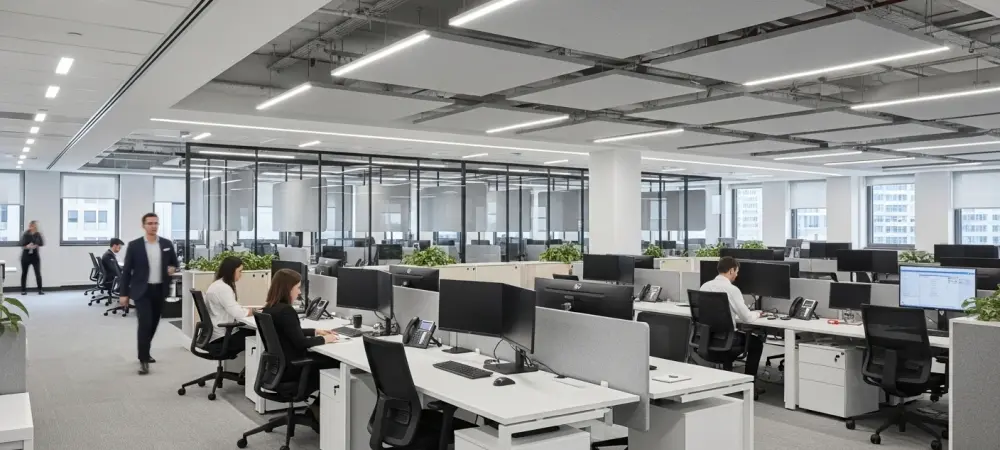
The contemporary corporate landscape requires more than just high salaries to attract top-tier talent; it demands a seamless integration of physical comfort, safety, and a culture that prioritizes the holistic well-being of every individual within the organization. This shift has forced Human Resources directors to look beyond the traditional confines of recruitment and payroll, finding an unexpected but powerful ally in Facilities Management. Once relegated to the invisible gears of building upkeep, facilities experts are now architects of the employee experience. By leveraging the physical environment as a strategic tool, businesses can foster an atmosphere where productivity thrives and workers feel genuinely valued. This transformation signifies a move away from siloed operations toward a unified approach where the workplace itself becomes a tangible manifestation of company values. Consequently, the relationship between HR and facilities teams has evolved from occasional collaboration into a permanent, interdependent partnership that defines the modern professional ecosystem.
Redefining the Physical Environment as a Talent Magnet
Elevating Employee Experience Through Specialized Infrastructure
The integration of Facilities Management into the core HR strategy has fundamentally changed how organizations approach talent retention in an increasingly competitive labor market. Employees no longer view the office as a mere collection of desks and chairs but as a hub for health, safety, and psychological comfort. By prioritizing advanced air filtration systems, ergonomic design, and intuitive space layouts, HR leaders can signal a deep commitment to the workforce’s physical health. Specialized partners now manage these technical complexities, ensuring that environmental factors such as lighting quality and thermal comfort are optimized to prevent burnout and fatigue. This proactive stance on workplace wellness serves as a powerful recruitment tool, as modern professionals often prioritize their daily lived experience as much as their base compensation. When the physical environment is curated with precision, it fosters a sense of belonging and care that traditional corporate policies alone cannot achieve. Consolidating disparate services into unified, integrated contracts allows HR departments to maintain a consistent standard of excellence across multiple locations without getting bogged down in administrative minutiae. Instead of managing dozens of individual vendors for cleaning, security, and maintenance, organizations are turning to comprehensive providers that offer a single point of accountability. This streamlined approach ensures that every aspect of the facility, from the lobby’s cleanliness to the robustness of the security protocols, reflects the high standards the brand promises to its employees. Strategic consolidation also provides the agility necessary to adapt to fluctuating office occupancy levels, a common challenge in the current professional climate. By outsourcing these operational demands, HR directors can redirect their focus toward high-level culture-building and strategic organizational growth, knowing that the foundational environment is being managed by experts who understand the nuances of modern corporate hospitality and infrastructure.
Mitigation of Corporate Risk via Integrated Service Contracts
Strict adherence to evolving health and safety regulations has become a cornerstone of corporate governance, placing a significant burden on HR to ensure compliance while protecting the organization’s reputation. Facilities Management providers play a vital role here by implementing rigorous fire prevention strategies and hygiene standards that go far beyond basic legal requirements. These integrated contracts provide a clear trail of reporting and accountability, which is essential for mitigating risk in an era where employee safety is under constant scrutiny. By centralizing these functions, companies can ensure that every safety protocol is executed with precision, reducing the likelihood of accidents and ensuring a rapid response to any potential hazards. This level of oversight provides peace of mind to both the leadership and the staff, creating a stable environment where everyone can focus on their primary professional objectives without concerns about their personal safety or the integrity of the building.
The financial implications of this strategic partnership are equally significant, as unified Facilities Management models generate substantial cost efficiencies through reduced administrative overhead. When HR and facilities teams align their budgets and goals, they can eliminate redundant services and leverage better pricing through volume-based contracts with specialized providers. These savings are not merely about cutting costs; they represent a reallocation of resources toward initiatives that drive long-term business value, such as employee development programs or technology upgrades. Furthermore, the enhanced data reporting provided by modern facilities partners allows for more accurate forecasting and budgeting, enabling HR to make informed decisions about future real estate needs and operational investments. This synthesis of financial prudence and operational excellence ensures that the organization remains resilient and competitive, even as market conditions and workforce expectations continue to undergo rapid and unpredictable transformations.
Operational Efficiency and the Hybrid Work Evolution
Strategic Data Utilization in Modern Space Management
The rise of hybrid work models has necessitated a more sophisticated approach to space utilization, moving away from static floor plans toward dynamic, data-driven environments. Facilities Management now employs advanced IoT sensors and occupancy analytics to provide HR leaders with real-time insights into how office spaces are actually being used throughout the week. This information is invaluable for determining the optimal mix of quiet zones, collaborative hubs, and communal areas, ensuring that the physical footprint of the company matches the actual needs of its employees. Rather than relying on anecdotal evidence or outdated assumptions, HR can use hard data to redesign offices that support flexibility and movement. This approach not only maximizes the utility of every square foot but also enhances the employee experience by providing the right kind of space for the right kind of work. The ability to pivot based on usage trends ensures that the office remains a relevant and valuable asset in a hybrid world.
Beyond mere occupancy tracking, the integration of technology into facilities management allows for the monitoring of environmental metrics that directly impact cognitive performance and overall job satisfaction. For example, tracking carbon dioxide levels and humidity can lead to automated adjustments in ventilation, keeping the air fresh and the workforce alert during high-density meetings. When HR teams have access to these metrics, they can correlate environmental data with employee feedback and productivity markers to create a truly optimized work setting. This level of detail demonstrates a sophisticated understanding of the link between the physical atmosphere and mental clarity, positioning the workplace as a high-performance tool rather than a passive backdrop. By mastering these environmental variables, organizations can create a competitive advantage that is difficult to replicate, as they are providing a tailored experience that actively supports the unique needs and workflows of their specific talent pool.
Forging an Integrated Pathway for Organizational Resilience
Leadership teams successfully recognized that the future of work depended on the seamless integration of human-centric policies and physical infrastructure, leading to a total overhaul of the traditional office model. By embracing the synergy between Facilities Management and HR, companies established a robust foundation for organizational resilience that withstood the pressures of shifting labor trends and economic fluctuations. The transition toward integrated service contracts was prioritized to ensure that safety and hygiene remained consistent, while the adoption of data-driven space management allowed for a more agile response to the needs of a mobile workforce. These strategic moves demonstrated that the physical environment was not a fixed cost but a dynamic asset that could be leveraged to enhance productivity and culture. Leaders who took these steps were able to create workplaces that served as destinations for collaboration and innovation, rather than just places where tasks were performed under a strictly controlled and outdated schedule.
Organizations that implemented these integrated strategies benefited from a more engaged workforce and a significant reduction in operational friction. The focus shifted toward creating holistic environments where the technical aspects of building management were used to support the broader goals of employee well-being and professional fulfillment. Specialized facilities partners were tasked with maintaining high standards of air quality and space utilization, which allowed HR professionals to devote their energy to mentoring, strategic planning, and fostering a inclusive community. This collaborative model proved that when the physical and human aspects of a business were aligned, the resulting environment was greater than the sum of its parts. Moving forward, the lessons learned from this convergence suggested that businesses must continue to view Facilities Management as a critical pillar of their talent strategy. Investing in specialized FM expertise became a standard practice for any organization aiming to build a future-proof workplace that prioritized both efficiency and the human experience.