

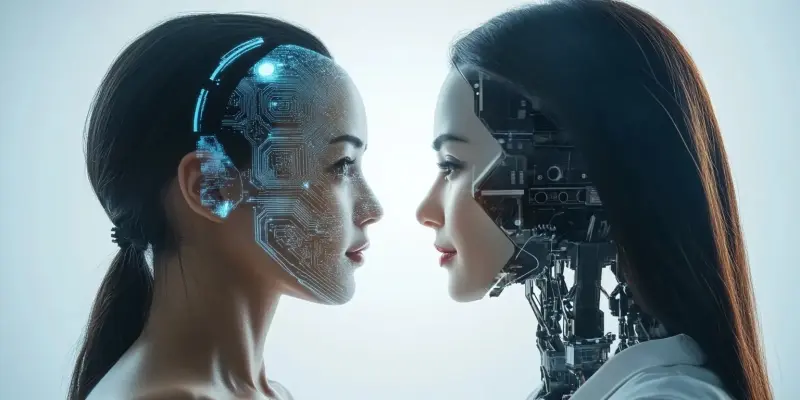
Artificial Intelligence (AI) has made significant inroads into various industries, and human resources (HR) has seen substantial transformation due to these technological advancements as traditional methods give way to more efficient and data-driven processes. The integration of AI, particularly focused on tools like ChatGPT, is revolutionizing how HR handles recruitment, resulting in enhanced efficiency, bias reduction, and improved candidate experiences. As businesses strive for greater operational efficiency and effectiveness, AI’s role in modern HR practices has steadily grown, providing numerous benefits to both employers and job seekers.
AI’s Role in Modern HR
AI’s integration into HR practices addresses the crucial need for operational streamlining by enhancing efficiency and cost-effectiveness, transforming a range of routine tasks that were previously labor-intensive. One of the primary applications of AI in HR is the automation of the resume screening process. With the ability to analyze thousands of resumes swiftly, AI can identify top candidates based on predetermined criteria, ensuring a more thorough and consistent evaluation of applicants. This automation saves considerable time and allows HR professionals to focus on more strategic aspects of their roles.
Moreover, AI-powered chatbots facilitate 24/7 communication, providing constant interaction with candidates and ensuring a seamless experience without overwhelming HR teams. This continuous communication capability means that candidates receive timely responses and can engage with the company at any time, thereby enhancing their overall experience. The financial benefits of AI integration are also noteworthy, with studies indicating that companies incorporating AI into their HR procedures have observed a 30% reduction in hiring costs and improved time-to-hire metrics. These facets underscore the tangible advantages of adopting AI technologies in HR.
Enhancing Candidate Experience
The recruitment process serves as a candidate’s first introduction to a company, making first impressions critically important for attracting top talent. A streamlined, technology-driven recruitment experience reflects an organization’s commitment to innovation and efficiency. ChatGPT significantly contributes to this endeavor by enabling personalized interactions, tailoring responses to individual candidate queries, and offering timely feedback and updates. This approach not only reduces the anxiety often associated with job applications but also ensures that candidates feel valued and respected throughout the process.
By providing a positive candidate experience, companies can bolster their employer brand, making them more attractive to potential hires. A commitment to leveraging cutting-edge technology for recruitment demonstrates an organization’s dedication to improving processes and outcomes. For job seekers, these personalized interactions exemplify the organization’s progressive ethos, thereby fostering a favorable impression right from the onset. Consequently, organizations using ChatGPT in recruitment are better positioned to secure top talent, given their showcase of efficiency and forward-thinking practices.
ChatGPT: The Future of Recruitment
ChatGPT emerges as a pivotal tool in modern recruitment technology, fundamentally altering HR processes through swift and precise candidate assessments and considerable bias reduction in hiring. Practically, ChatGPT can conduct preliminary interviews to evaluate candidate skills and cultural fit, analyzing responses to identify potential strengths or concerns. This enables a considerable filtering process where only the most suitable candidates advance further in the selection process, subsequently enhancing the overall quality of hires.
Automating these initial stages of recruitment allows HR teams to redirect their focus towards more strategic tasks, such as building relationships with potential candidates and designing comprehensive recruitment strategies. This not only improves the quality of hiring decisions but also ensures a more efficient use of resources. Moreover, the ability to conduct more tailored and detailed preliminary assessments means that HR teams can trust the quality of candidates moving forward in the recruitment process. Hence, utilizing ChatGPT for recruitment not only optimizes operational workflow but also elevates the strategic caliber of HR functions.
Reducing Bias in Hiring
Unconscious bias continues to be a pressing issue within traditional recruitment processes, often impacting the impartiality and fairness of hiring decisions. AI technology like ChatGPT is designed to mitigate these biases, fostering a more equitable hiring landscape by conducting objective evaluations based solely on candidate merits rather than subjective factors. This approach ensures that candidate assessments are free from personal biases that human recruiters might inadvertently introduce into the process.
By emphasizing objective criteria such as skills and potential, AI expands the talent pool beyond conventional metrics like work history or educational background. Research indicates that AI-driven recruitment practices can potentially increase workforce diversity by up to 50%, underscoring the significant role AI can play in promoting inclusivity. By focusing on merit-based qualifications and skill sets, companies can build more diverse and innovative teams, which research shows lead to better business outcomes. Thus, AI’s capacity to reduce bias is not only ethically advantageous but also strategically beneficial for organizations looking to foster a dynamic and innovative workforce.
Addressing Concerns: Trust and Transparency in AI
Despite its numerous benefits, AI’s integration in HR faces challenges related to trust and transparency, posing essential questions for businesses to address. To ensure ethical AI usage, companies must adopt practices that promote transparency and uphold ethical standards. Regular audits of AI systems are necessary to identify and correct unintended biases, maintaining the fairness and integrity of the recruitment process. Additionally, businesses must communicate clearly with candidates about AI’s role in recruitment decisions to build and maintain trust.
Continuous improvement remains critical for these systems. AI technologies are not static; they require constant updating and refinement based on feedback to remain effective and aligned with an organization’s evolving needs and values. This ongoing learning process ensures that tools like ChatGPT can adapt to the ever-changing dynamics of the workforce and organizational requisites. By prioritizing transparency, ethical standards, and continuous refinement, companies can harness the full potential of AI while ensuring that these advanced tools serve both the organization and its prospective employees in a fair and trustworthy manner.
Conclusion
Artificial Intelligence (AI) has profoundly impacted numerous industries, including human resources (HR). The traditional HR methods are evolving, replaced by more efficient and data-driven processes due to advancements in AI technology. Specifically, tools like ChatGPT are proving to be game-changers in the recruitment process. These AI tools enhance efficiency, reduce biases, and improve the overall experience for candidates. As businesses continually seek higher levels of operational efficiency and effectiveness, the role of AI in current HR practices has expanded considerably. AI provides significant benefits to employers by streamlining workflows and ensuring fair hiring practices. At the same time, job seekers benefit from faster communication and a more transparent recruitment process. In essence, AI’s integration into HR is creating a win-win scenario for both parties. Its growing role underpins modern HR strategies, making it an indispensable component in today’s competitive business landscape.