

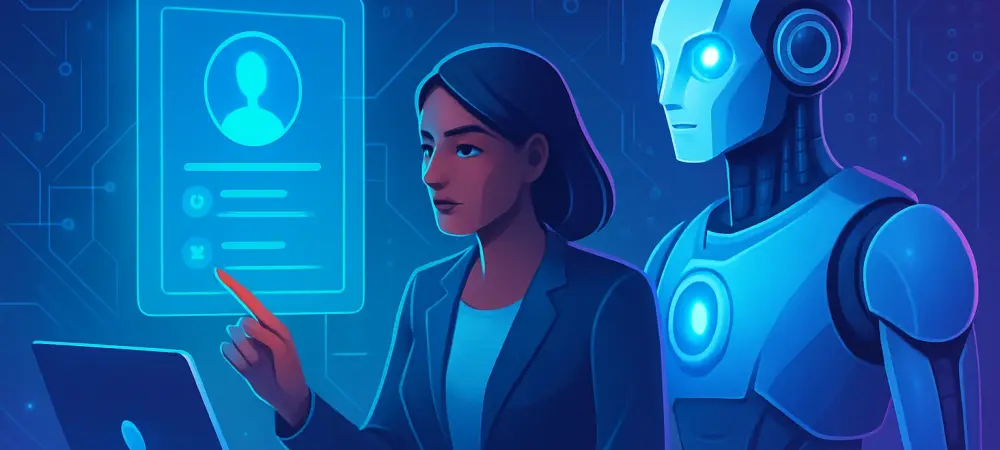
I’m thrilled to sit down with Ling-Yi Tsai, a seasoned expert in HR Technology with decades of experience helping organizations navigate change through innovative solutions. Ling-Yi specializes in HR analytics tools and the seamless integration of technology into recruitment, onboarding, and talent management. Today, we’ll dive into her insights on how technology is reshaping the HR landscape, the challenges organizations face in aligning strategy with execution, and the exciting potential of AI to enhance workplace performance and culture.
How did your journey into HR Technology begin, and what sparked your passion for integrating people and tech in this space?
My journey started when I noticed how much potential there was to improve workplace dynamics through data and technology. Early in my career, I worked with organizations struggling to connect their people strategies with measurable outcomes. I became fascinated by how tools like HR analytics could bridge that gap. My passion grew from seeing firsthand how technology could empower employees and leaders alike—whether it’s through better hiring decisions or creating more engaging onboarding experiences. It’s always been about using tech to make work more human, not less.
What do you see as the biggest gap in the current HR Tech market, and how are you working to address it in your projects?
One of the biggest gaps is the disconnect between high-level strategy and day-to-day execution. Many organizations have powerful tools, but they often fail to provide real-time, contextual guidance that employees can act on. In my work, I focus on creating solutions that deliver personalized support—think role-specific advice or team dynamics insights—that help individuals see how their contributions fit into the bigger picture. It’s about making technology a partner in aligning strategy with action, not just a data repository.
Can you share how technology can transform the onboarding experience for new hires, making it more meaningful from day one?
Absolutely. Traditional onboarding often overwhelms new hires with information dumps and paperwork, leaving them unclear about their role or impact. Technology can flip this by offering dynamic, role-specific guidance right from the start. For instance, platforms I’ve worked with provide tailored coaching that shows new hires how their work ties to company goals. This cuts down on confusion and builds confidence early on. I’ve seen cases where this approach has significantly shortened the time it takes for someone to become productive, sometimes by weeks.
What are some persistent challenges HR teams face with onboarding and offboarding, and how can tech help overcome them?
A major challenge with onboarding is ensuring clarity—employees often don’t understand how their priorities align with the organization’s strategy because communication gets muddled as it trickles down. Offboarding is equally tricky; when people leave, critical knowledge often walks out the door without a structured way to capture it. Technology can help by embedding real-time support into onboarding, ensuring alignment through consistent messaging, and by creating systems for knowledge transfer during offboarding. Even simple tools like digital exit interviews or AI-driven documentation can preserve institutional memory.
How is AI reshaping HR Technology today, and what potential do you see for it to go beyond automation?
AI is moving HR Tech from just automating repetitive tasks to truly augmenting human capabilities. Right now, it’s being used to provide insights that are timely and relevant—like personalized coaching for employees or predictive analytics for turnover risks. What excites me most is AI’s potential to strengthen workplace culture. Imagine AI tools that don’t just focus on efficiency but also reinforce company values in their recommendations. It’s about enabling better decision-making and collaboration, making employees and leaders more effective in the moment.
In your view, how can HR Tech better support team dynamics and collaboration across different functions in an organization?
HR Tech can play a huge role by adapting to the unique needs of teams rather than offering one-size-fits-all solutions. For example, platforms can analyze team interactions and working styles to suggest better ways to communicate or resolve conflicts. I’ve seen tools that factor in personality traits and role differences to provide tailored advice on collaboration. This not only boosts productivity but also fosters a sense of unity across departments, which is critical for breaking down silos and driving collective success.
What is your forecast for the future of HR Technology, especially in terms of balancing personalization and scalability?
I believe the future of HR Tech lies in achieving personalization at scale without losing the human touch. We’re heading toward a world where AI and behavioral science combine to offer guidance that’s not only specific to an individual’s role and personality but also adaptable to team and organizational contexts. At the same time, scalability will be key—ensuring these tailored solutions can be rolled out across large workforces efficiently. I think we’ll see more culture-aware tools that embed company values into everyday interactions, creating sustainable performance while keeping well-being at the forefront.