

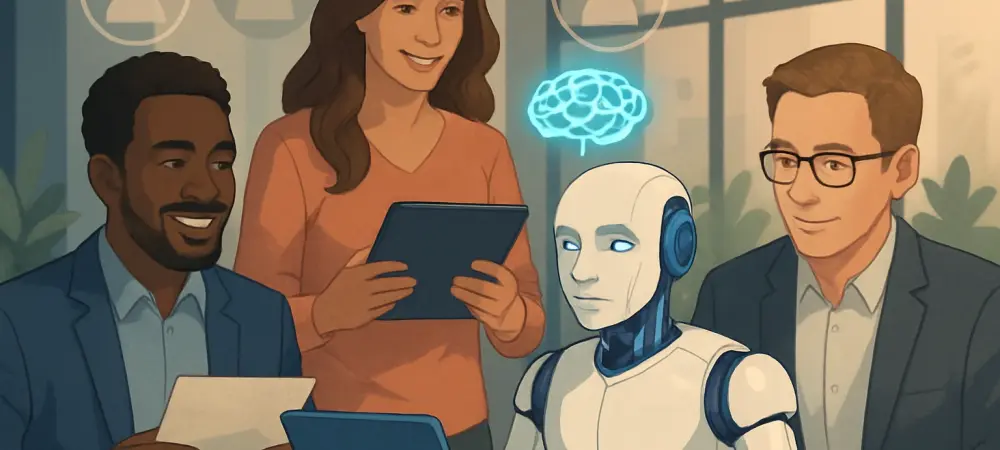
I’m thrilled to sit down with Ling-Yi Tsai, a seasoned HRTech expert with decades of experience helping organizations navigate change through innovative technology. With a deep focus on HR analytics and the seamless integration of tech into recruitment, onboarding, and talent management, Ling-Yi offers invaluable insights into the evolving landscape of human resources. Today, we’ll explore how technology, particularly AI, is reshaping HR strategies, the importance of cultural alignment in global teams, and the future of building digitally empowered workforces.
What excites you most about the potential of technology in transforming HR practices today?
I’m genuinely thrilled by how technology is revolutionizing HR, especially with tools like AI and analytics. What excites me most is the ability to create personalized employee experiences at scale. For instance, AI can analyze data to predict employee needs, whether it’s tailored learning paths or identifying burnout risks before they escalate. It’s about making HR more proactive and human-centered, which is a game-changer for engagement and retention.
How do you see AI specifically enhancing employee engagement within an organization?
AI has immense potential to boost engagement by fostering better communication and understanding. For example, chatbots powered by AI can provide instant support for employee queries, while sentiment analysis tools can gauge team morale through feedback or even email tones. This allows HR to address concerns in real-time, making employees feel heard and valued, which is critical for building trust and a positive workplace culture.
What challenges do you anticipate when integrating AI-driven tools into HR, and how can they be addressed?
One major challenge is resistance to change—employees and even HR teams can be wary of AI, fearing it might replace the human touch or compromise privacy. There’s also the risk of over-reliance on data, where we might miss the nuances of human behavior. To tackle this, I believe in starting with transparency—explaining how AI tools work and emphasizing they’re there to support, not replace. Training programs to upskill staff on these tools and maintaining a balance between tech and personal interaction are also key.
With your extensive experience in HR tech across different regions, how does a global perspective shape your approach to talent management?
Working across diverse regions has taught me that one-size-fits-all doesn’t work in HR. Cultural nuances, labor laws, and employee expectations vary widely. A global perspective helps me design flexible strategies that can be adapted locally. For instance, understanding collectivist versus individualist mindsets in different regions shapes how I approach team-building or recognition programs. It’s about creating a framework that respects diversity while aligning with organizational goals.
Can you share a memorable example of a large-scale people transformation project you’ve led and what made it successful?
Absolutely. I once led a transformation for a multinational firm transitioning to a digital-first model. The goal was to reskill over 5,000 employees while restructuring teams. Success came from clear communication—we held town halls to explain the ‘why’ behind the changes and offered tailored training modules. We also involved employees in co-creating solutions, which reduced resistance. Seeing the workforce adapt and thrive in the new setup was incredibly rewarding.
How do you balance the adoption of cutting-edge technology with maintaining a human-centered approach in HR?
It’s all about using technology as an enabler, not a replacement for human connection. For me, tech should handle repetitive tasks—like payroll or initial resume screening—so HR can focus on meaningful interactions, like mentoring or conflict resolution. I always advocate for regular check-ins and feedback loops to ensure employees don’t feel like they’re just data points. Technology should amplify empathy, not diminish it.
Diversity, equity, inclusion, and belonging are critical in today’s workplaces. How do you ensure these principles are embedded in HR strategies?
I see DEIB as the foundation of a thriving workplace, not just a checkbox. It starts with inclusive hiring practices—using blind recruitment tools to reduce bias, for instance. I also push for ongoing training on unconscious bias and create safe spaces for dialogue. Beyond policies, it’s about fostering a culture where everyone feels they belong, whether through mentorship programs or celebrating diverse cultural events. Metrics help too—tracking representation and engagement across demographics ensures we’re making real progress.
Can you walk us through a time when you guided a team through a complex business change, like a merger, and how you managed the HR challenges?
I was involved in a merger between two tech firms with very different cultures. The biggest HR challenge was aligning compensation structures and retaining key talent amid uncertainty. We tackled this by being upfront—sharing as much as we could about timelines and changes. We also set up one-on-one sessions with employees to address personal concerns and offered retention bonuses for critical roles. By prioritizing communication and empathy, we maintained morale and kept turnover low during a turbulent time.
What is your forecast for the future of HR technology and its impact on building a digitally empowered workforce?
I believe HR tech will only grow more intuitive and integrated in the coming years. We’ll see AI and machine learning becoming even more sophisticated, predicting not just turnover but also career trajectories for employees. Virtual reality could transform onboarding and training, making remote work more immersive. The impact on workforces will be profound—employees will have access to tools that empower them to own their development. But the challenge will be ensuring equity in access to these technologies so no one is left behind. I’m optimistic we’re heading toward a future where tech and humanity in HR are perfectly balanced.