

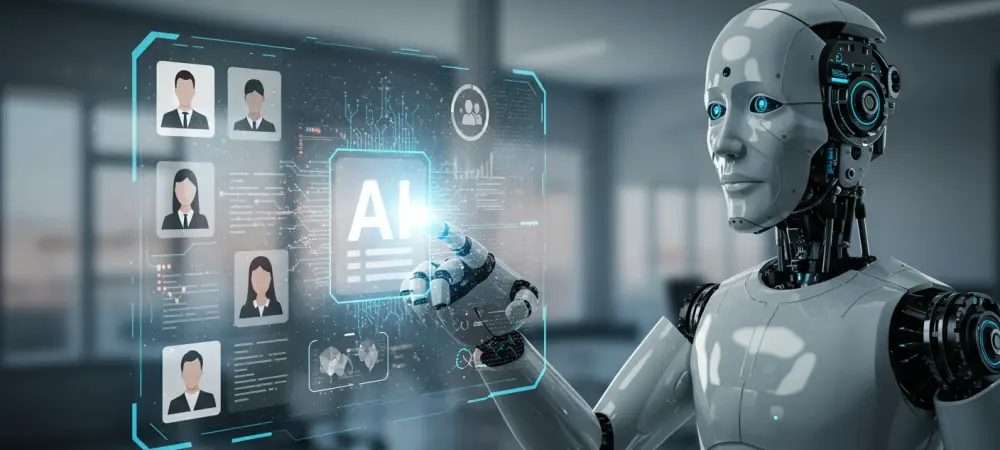
I’m thrilled to sit down with Ling-Yi Tsai, a renowned expert in HR technology with decades of experience helping organizations transform through innovative tools. Ling-Yi specializes in HR analytics and the seamless integration of technology into recruitment, onboarding, and talent management. Today, we’re diving into the evolving landscape of AI-driven hiring solutions, exploring how cutting-edge tools are reshaping talent assessment, ensuring ethical practices, and enhancing scalability for businesses. We’ll also touch on the power of data in refining skills intelligence and the unique ways technology is embedding science into HR systems. Let’s get started with Ling-Yi’s insights on the latest advancements in this space.
Can you walk us through what skills intelligence means in the context of modern hiring and why it’s become so critical for organizations today?
Skills intelligence is really about understanding and measuring the actual capabilities of candidates in a way that’s precise and actionable for hiring decisions. Unlike traditional methods that rely heavily on résumés or subjective impressions, skills intelligence uses technology to directly assess competencies through structured interactions. It’s become critical because the pace of change in industries demands that companies quickly identify and deploy the right talent. With skills shortages and the rise of hybrid roles, organizations can’t afford guesswork—they need data-driven insights to match people to roles effectively, and that’s where this technology shines.
How do you see AI-powered tools changing the way skills are assessed compared to older methods like résumé screening or manual interviews?
AI-powered tools are a game-changer because they move beyond surface-level data. Résumé screening often misses hidden potential or introduces bias based on keywords or formatting, while manual interviews can be inconsistent depending on the interviewer’s style or mood. AI, when done right, standardizes the process with structured assessments—think conversational interfaces that evaluate responses in real time. It focuses on what a candidate can actually do, not just what they’ve written down or how they present in a one-off meeting. This creates a fairer, more reliable picture of their abilities.
What are some of the biggest challenges in talent assessment that you believe new HR tech solutions are helping to address?
One major challenge is bias—whether it’s unconscious bias in human evaluations or systemic issues in how job requirements are framed. New HR tech solutions are tackling this by prioritizing objective data over subjective judgment. Another hurdle is scalability; large organizations or those with high-volume hiring struggle to assess candidates consistently without overwhelming resources. Tech solutions streamline this with automation while maintaining quality. Lastly, there’s the issue of candidate experience—lengthy or impersonal processes turn people off. Modern tools are making assessments more engaging and accessible, often through mobile-first or conversational formats.
In terms of ethical hiring practices, how can technology ensure fairness and inclusivity in the recruitment process?
Technology can ensure fairness by focusing on measurable skills rather than proxies like education or past job titles, which can carry inherent biases. For instance, algorithms designed with bias mitigation in mind can evaluate candidates based solely on their responses to standardized questions, leveling the playing field. Inclusivity comes from designing tools that accommodate diverse needs—untimed assessments or mobile-friendly interfaces ensure accessibility for people with different circumstances. The key is transparency; when scoring or decision-making processes are explainable, it builds trust and allows for accountability if biases do creep in.
How does a massive dataset contribute to the accuracy and reliability of skills assessment tools in HR tech?
A massive dataset acts like a foundation for refining accuracy—it’s the raw material that trains models to recognize patterns in how skills manifest through language or behavior. The larger and more diverse the dataset, the better the tool can account for variations across industries, roles, or demographics. It reduces errors by grounding predictions in real-world evidence rather than assumptions. Plus, as more users interact with the system, the dataset grows, continuously improving the tool’s ability to deliver nuanced and reliable insights. It’s a virtuous cycle of learning and enhancement.
What role do you think structured conversational assessments play in creating a better experience for candidates during hiring?
Structured conversational assessments make the process feel more human, even though they’re tech-driven. Unlike rigid tests or high-pressure interviews, these assessments often mimic natural dialogue, which puts candidates at ease and lets their true abilities shine through. They’re typically designed to be inclusive—untimed and accessible on various devices—so candidates aren’t stressed by artificial constraints. This approach also provides a consistent framework, ensuring everyone is evaluated on the same criteria, which feels fairer. Ultimately, it turns a daunting process into something more approachable and engaging.
How important is it for HR tech tools to integrate seamlessly into existing systems for businesses, and what benefits does this bring?
Seamless integration is crucial because HR teams already juggle multiple systems—think applicant tracking systems, CRMs, or job boards. If a new tool doesn’t fit into that ecosystem, it creates friction, wastes time, and risks low adoption. When integration is smooth, it allows businesses to embed advanced capabilities like skills intelligence directly into their workflows, making processes faster and more efficient. It also means real-time insights can flow automatically to decision-makers, reducing manual work and enabling quicker, smarter hiring decisions. For enterprises, this kind of harmony is a must for scaling operations without chaos.
What’s your forecast for the future of AI in HR tech, especially when it comes to skills intelligence and talent mobility?
I see AI becoming the backbone of HR tech, especially in skills intelligence and talent mobility. In the next few years, we’ll likely see even more sophisticated tools that not only assess skills but predict how they’ll evolve based on market trends or individual learning paths. Talent mobility will benefit as AI helps map internal skills to new roles, reducing the need for external hiring and boosting retention. I also expect a stronger focus on ethics—regulations like the EU AI Act will push for transparency and accountability, ensuring AI serves people rather than alienating them. It’s an exciting time, but the challenge will be balancing innovation with trust.