

Ling-yi Tsai has spent over two decades at the forefront of human resources technology, guiding global organizations through the intricate process of digital transformation. As an expert in HR analytics and talent management integration, she has a unique vantage point on how data can be used to unlock human potential rather than just measure it. Today, we discuss a significant evolution in the industry: the rebranding of a 24-year-old assessment pioneer into a predictive talent management platform. This shift represents a broader movement in HR toward more sustainable, science-backed decision-making that addresses the complexities of modern, non-linear career paths.
Our conversation explores the transition from traditional psychometric testing to a comprehensive predictive ecosystem that combines human-centered artificial intelligence with decades of scientific rigor. We delve into how this evolution assists HR leaders in moving beyond one-off assessments to create a holistic view of an employee’s journey—from initial recruitment and predictive matching to internal mobility and long-term skill development.
After over twenty decades in talent assessment, how does shifting toward a predictive platform change the fundamental way HR teams approach their daily decision-making?
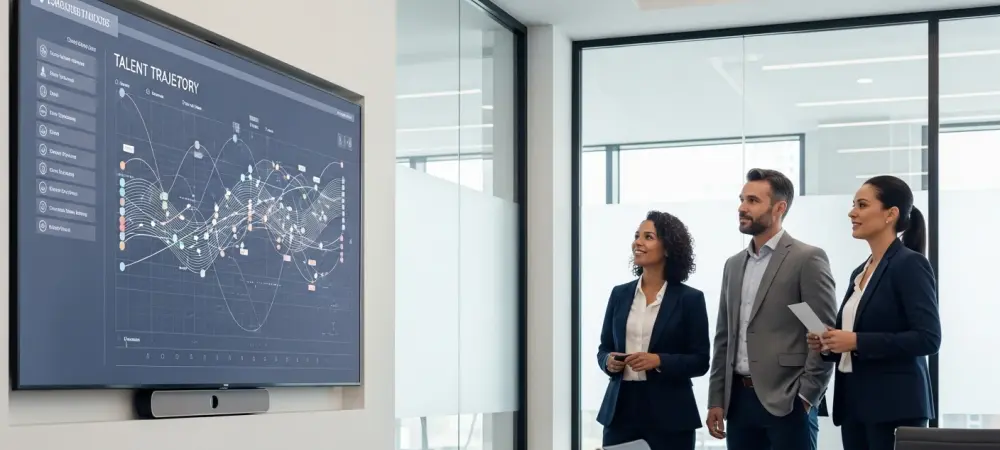
For 24 years, the industry standard was often reactive; we measured a person’s traits to see if they fit a specific box at a specific moment in time. By transitioning to a predictive platform like Key Predict, we are moving from a snapshot of the present to a high-definition map of the future. HR teams no longer have to rely on fragmented data points or gut feelings that often lead to “safe” but uninspired hires. Instead, they can use predictive models to see how a candidate’s unique blend of motivations and aptitudes will play out over a multi-year trajectory. This changes the daily workflow from mere screening to strategic talent mapping, where every hiring decision is backed by a scientifically validated expectation of success. It’s an empowering shift that replaces the anxiety of the unknown with a clear, actionable path forward for both the recruiter and the talent.
With the rapid evolution of the modern workplace, how does a more comprehensive approach to data help organizations navigate non-linear career paths and uncertain environments?
The traditional career ladder is essentially a thing of the past, replaced by a much more complex web of lateral moves and evolving roles. Organizations are finding that the old way of looking at resumes—focusing solely on past experience—fails to account for how a person will adapt when their job description inevitably changes in six months. A predictive platform addresses this by focusing on human potential through the lens of soft skills and core motivations. When we look at the data from a broader perspective, we can identify “hidden” talent within the company who might have the perfect aptitude for a new department, even if their CV doesn’t say so. This creates a more resilient workforce because the organization isn’t just hiring for a role; they are investing in a person’s ability to grow, pivot, and thrive amidst uncertainty.
Artificial intelligence is often seen as a “black box” in HR; how does the concept of explainable and human-centered AI ensure that technology remains a tool for empowerment rather than a replacement for judgment?
The goal of integrating AI into talent management should never be to automate the human out of the process, but rather to sharpen the human’s ability to see the truth. In this new platform, the AI is designed to be “explainable,” meaning it doesn’t just spit out a numerical score and expect a manager to follow it blindly. Instead, it structures recommendations in a way that is interpretable and transparent, showing exactly how a candidate’s traits align with the success criteria of a role. This methodological transparency preserves the “human-centered” DNA that has been built over 24 years of psychometric expertise. When an HR professional can see the “why” behind a suggestion, they can have much more meaningful and ethical conversations with candidates. It transforms the technology into a mentor or a high-level consultant that provides clarity, ensuring that final decisions are always grounded in respect for the individual.
How does moving from isolated, one-off assessments to a global view of potential impact the way companies manage internal mobility and long-term employee development?
In many traditional setups, an assessment is something you do once during an interview and then the results sit in a digital drawer gathering dust. By creating a single environment for the entire employee journey, we allow that initial data to live and breathe throughout the talent’s tenure. This global view means that recruitment data naturally feeds into onboarding, which then informs skills development and eventually identifies internal mobility opportunities. If we know from day one what drives a person’s motivations, we can more accurately predict which career pathways will keep them engaged three years down the line. It turns HR into a proactive partner in an employee’s growth, rather than just a department they interact with during crises or annual reviews. This continuity is what makes HR decisions truly sustainable and fair in the long run.
What is your forecast for the role of predictive analytics in talent management over the next five years?
I believe we are heading toward a future where “potential” will be a more valuable currency than “pedigree.” In the next few years, predictive analytics will become the backbone of every high-performing HR department, moving beyond just recruitment to become a tool for daily organizational design. We will see a shift where companies use these platforms to build fluid, project-based teams based on complementary soft skills and cognitive aptitudes rather than just job titles. The “gut feeling” hire will become an endangered species as leaders realize that scientific rigor and ethical AI can actually make the workplace more human by removing bias and opening doors for diverse talent. Ultimately, technology will allow us to move away from rigid structures and toward a more dynamic, empathetic way of managing people that celebrates their capacity for change.