

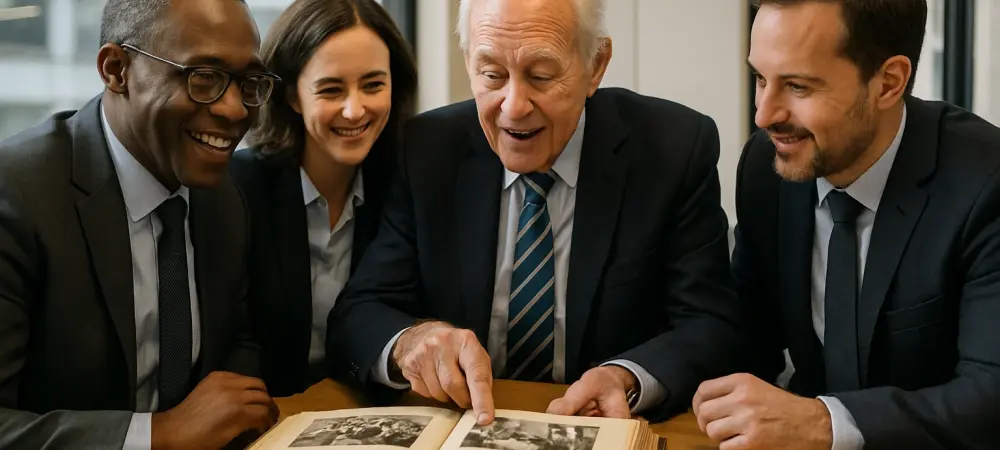
I’m thrilled to introduce Ling-Yi Tsai, an HRTech expert with decades of experience in driving organizational change through innovative technology. Specializing in HR analytics and the integration of tech solutions for recruitment, onboarding, and talent management, Ling-Yi has a unique perspective on how corporate memory and culture intertwine with modern tools to shape employee engagement and purpose. In our conversation, we explore the essence of corporate memory, the strategic role of archives in daily operations, the power of storytelling in preserving history, and how connecting employees to a shared past fosters a deeper sense of belonging and identity within an organization.
How do you define corporate memory, and why do you think it’s so critical for an organization’s success?
Corporate memory, to me, is the living history of an organization—it’s not just about data or documents, but the collective experiences, decisions, and values that shape who we are today. It’s critical because it gives context to why we operate the way we do. In my work with HR tech, I’ve seen how understanding past challenges, like a major shift in recruitment strategy, can inform current solutions. Without that memory, we’re just guessing, reinventing the wheel instead of building on what’s been learned. It’s the foundation for continuity and purpose.
What’s the difference between simply storing information and truly preserving the history that defines a company?
Storing information is just about keeping records—think filing cabinets or digital folders full of reports. Preserving history, though, means curating those records with intent, understanding the stories and struggles behind them. It’s about making sure that a policy change from 10 years ago isn’t just a note in a database, but a lesson on why we pivoted and what we gained. In my experience, tech can help organize data, but it takes human insight to turn that into meaningful history that guides future decisions.
How do you ensure that corporate archives or memory become a practical tool for everyday work rather than just a historical reference?
It’s all about accessibility and relevance. In my projects, I’ve worked on integrating memory into HR systems—think dashboards that highlight past onboarding successes or analytics showing trends in employee feedback over decades. This isn’t just nostalgia; it’s data that managers can use to improve processes now. I’ve also encouraged cross-departmental access, so marketing, product teams, or leadership can tap into past campaigns or innovations for inspiration. It’s about making memory a living resource, not a dusty shelf.
Can you share an example of how connecting employees to a company’s past has strengthened their sense of purpose or engagement?
Absolutely. I worked with a company that digitized old internal newsletters and shared them during onboarding. These weren’t just updates; they showed how employees from decades ago tackled challenges with creativity and grit—stories of late-night brainstorming for a product launch or community initiatives. New hires told me they felt inspired, like they were joining a legacy of problem-solvers. It wasn’t just about the job; it was about being part of a story bigger than themselves. That emotional connection boosted their engagement from day one.
How do you decide what aspects of a company’s history are worth preserving for future generations of employees?
It’s a balance of impact and utility. I focus on moments that defined the company’s identity—like a pivotal hire that changed the culture or a tech adoption that reshaped workflows. But I also think about what future teams might need. For instance, preserving data on why certain HR tools failed helps avoid repeating mistakes. It’s not about saving everything; it’s about what carries meaning or lessons. I often consult with different departments to understand what resonates or could be useful down the line.
What role does storytelling play in keeping corporate memory alive within an organization?
Storytelling is everything. Facts and figures fade, but a good story sticks. I’ve seen how sharing personal accounts—like a founder’s early struggles or a team’s comeback after a failed project—humanizes the company. It’s not just history; it’s a narrative that employees can relate to. In my work, I’ve helped create platforms where these stories are shared, whether through video interviews or internal blogs. When people hear how past challenges were overcome, they feel connected and motivated to contribute their own chapter.
How does preserving corporate memory influence the culture and identity of an organization over time?
It’s the glue that holds culture together. Memory reinforces the values and behaviors that define an organization. For example, if a company prides itself on innovation, preserving stories of past breakthroughs—say, the first risky tech investment—keeps that spirit alive. In my HR tech initiatives, I’ve seen how referencing these milestones during training or strategy sessions reminds employees what the company stands for. It creates a sense of pride and continuity, ensuring the identity doesn’t get lost amid growth or change.
What’s your forecast for the role of technology in shaping corporate memory in the coming years?
I see technology as a double-edged sword. On one hand, tools like AI and cloud storage will make organizing and accessing memory easier—think instant tagging of historical data or predictive analytics to highlight relevant past lessons. On the other, there’s a risk of losing the human element if we lean too heavily on automation. My forecast is that the most successful organizations will use tech to support memory—sorting, storing, searching—but will prioritize human storytelling and interpretation to keep the emotional and cultural depth intact. It’s about blending efficiency with heart.