

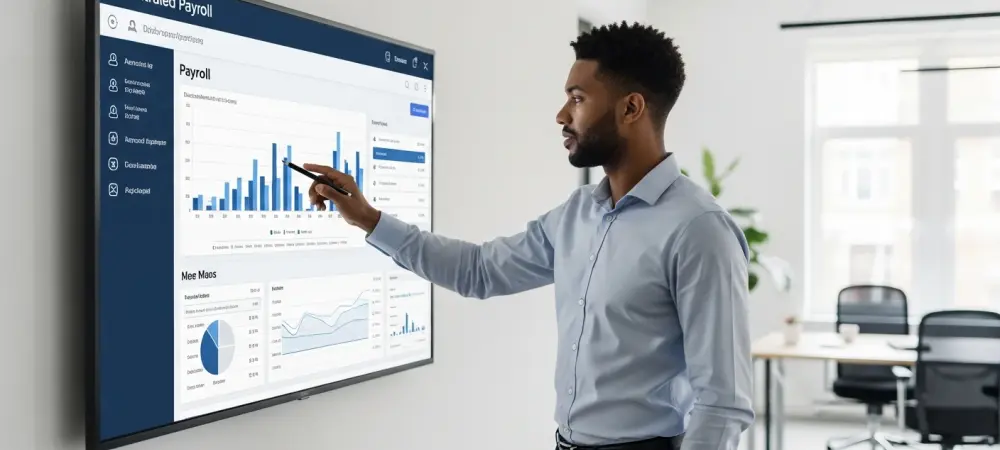
The rapid adoption of hybrid work models has transformed the corporate landscape by offering unprecedented flexibility, but it has also created a labyrinth of administrative challenges, with payroll management standing out as one of the most significant. For human resources departments, the task of ensuring every employee is paid accurately and on time has evolved from a routine administrative function into a complex strategic imperative. Managing a workforce distributed across various locations, each with its own set of tax laws and labor regulations, demands a level of precision and diligence that many legacy systems are not equipped to handle. Consequently, organizations that fail to adapt their payroll processes risk not only financial penalties and compliance issues but also a significant erosion of employee trust and morale, directly impacting retention and overall productivity. Streamlining these operations is no longer optional; it is fundamental to maintaining a competitive edge and fostering a stable, satisfied workforce in the modern era of work.
1. Unpacking the Complexities of Hybrid Payroll
The geographic distribution of employees is a primary source of complexity in hybrid payroll management. When team members work from different states, counties, or even cities, they become subject to a patchwork of local and state tax laws, minimum wage requirements, and benefits mandates. A single employee splitting their workweek between a home office in one state and a corporate office in another can trigger nexus and withholding obligations in both jurisdictions, creating a compliance puzzle that requires constant monitoring. Mismanagement of these multi-jurisdictional tax obligations can lead to severe consequences, including substantial financial penalties, audits, and legal disputes. Furthermore, statutory contributions for programs like unemployment insurance and workers’ compensation vary significantly by location, demanding that payroll systems be sophisticated enough to apply the correct rates based on each employee’s specific work location for a given pay period. This requires a robust framework capable of tracking employee movements and dynamically adjusting calculations to ensure full compliance.
Beyond geographical hurdles, the inherent flexibility of hybrid schedules introduces significant procedural challenges that can compromise payroll accuracy. Employees with non-traditional hours, fluctuating workweeks, or part-time arrangements make standard calculations for overtime, holiday pay, and shift differentials far more intricate. The risk of error increases exponentially when these calculations are performed manually or with outdated software. This complexity is compounded by the challenge of systems integration. Many organizations operate with disconnected HR platforms for time tracking, leave management, and payroll processing. This lack of integration necessitates manual data transfers between systems, a process that is not only time-consuming but also highly susceptible to human error. Such data inaccuracies can lead to incorrect payments, delayed processing, and frustrated employees who expect and deserve transparency and reliability. In today’s competitive talent market, repeated payroll errors can quickly damage an employer’s reputation and lead to increased turnover as employees lose faith in the organization’s ability to manage its core responsibilities.
2. Implementing Strategic Technological and Structural Solutions
The first and most critical step toward simplifying hybrid payroll is centralizing all relevant information into a single, unified system. Consolidating employee records, attendance data, tax withholding forms, and benefits details into one platform eliminates dangerous data silos and drastically reduces the need for manual data entry, which is a primary source of errors. A centralized system provides HR leaders with a comprehensive, real-time overview of all payroll obligations, allowing for more strategic oversight and control. Building upon this foundation, leveraging modern payroll technology is essential for managing the demands of a distributed workforce. Advanced cloud-based platforms offer powerful tools for automating complex calculations, tracking compliance across multiple jurisdictions, and generating insightful reports. These systems often integrate seamlessly with other essential HR tools, such as time and attendance or leave management software, ensuring that critical data flows automatically and accurately into the payroll process, from initial time-off requests to final payslip generation, thereby minimizing the administrative burden.
In addition to technology, establishing robust processes and leveraging external expertise are vital for achieving payroll excellence. The automation of routine tasks is key to freeing up HR professionals to focus on more strategic initiatives. Processes like tax calculations, payslip distribution, and the generation of statutory reports can be fully automated, which not only reduces the risk of human error but also creates a transparent and auditable trail for every payroll cycle. Furthermore, collaboration between HR leaders and specialized payroll accountants offers a significant strategic advantage. These experts provide invaluable guidance on interpreting ever-changing tax regulations, optimizing benefits administration, and identifying inefficiencies within existing workflows. By working closely with financial professionals to conduct regular audits and review procedures, HR teams can proactively identify potential bottlenecks and implement targeted improvements, ensuring the payroll cycle remains both efficient and compliant as the organization grows and evolves.
3. Standardizing and Refining Payroll Operations
To effectively manage a hybrid workforce, organizations must standardize payroll-related policies and ensure they are communicated with absolute clarity. Inconsistent application of rules for overtime, expense reimbursements, holiday accrual, and deductions can create confusion and perceptions of unfairness among employees. HR leaders should develop a comprehensive and easily accessible policy document that outlines these procedures in detail, leaving no room for ambiguity. This standardization should be supported by clear and consistent communication channels, ensuring all employees, regardless of their location, understand how their pay is calculated and what their responsibilities are regarding time reporting and expense submissions. The implementation of employee self-service portals is a powerful tool in this effort, as it empowers individuals to access their payslips, update personal information, and view policy documents at their convenience. This approach not only reduces the volume of routine queries directed at the HR department but also fosters a culture of transparency and trust.
Payroll compliance is not a static target but a dynamic and continuous process that demands vigilant monitoring and regular adjustments. Tax laws, minimum wage requirements, and other employment-related legislation are subject to frequent changes at the federal, state, and local levels. HR leaders must establish a proactive system for tracking these regulatory updates and ensuring that payroll practices are adapted accordingly to remain compliant. This often involves subscribing to legislative update services, participating in professional development, and maintaining a strong partnership with payroll accountants or legal counsel who can provide timely guidance. Continuous improvement should be an integral part of the payroll management strategy. By conducting periodic internal audits, analyzing error patterns, and actively soliciting feedback from employees, HR teams can identify persistent pain points and areas for enhancement. A streamlined payroll process is not a one-time achievement but the result of ongoing refinement and adaptation to meet the evolving needs of the organization and its workforce.
A New Foundation for Organizational Trust
Overhauling hybrid workforce payroll systems can create a more resilient and efficient operational backbone. By centralizing data, embracing automation, and fostering collaboration with financial experts, organizations can navigate the intricate compliance landscape with confidence. This strategic investment can yield significant returns, not just in terms of reduced administrative burden and minimized risk, but also in the strengthened relationship between the company and its employees. Accurate and timely payments become a consistent and reliable experience, reinforcing employee trust and satisfaction. The insights gained from consolidated payroll data also empower leadership to make more informed decisions about labor costs and resource allocation. Ultimately, transforming payroll from a complex administrative chore into a streamlined, strategic function becomes a critical component in building a supportive and effective hybrid work environment.