

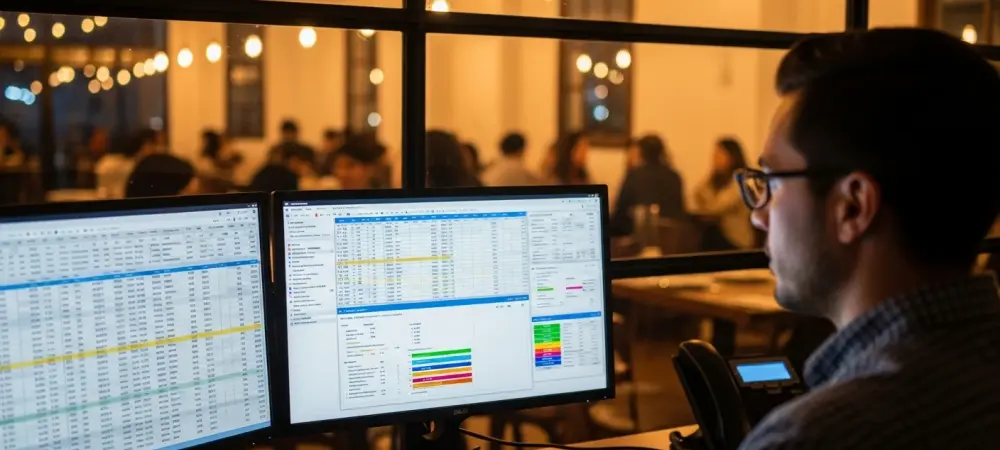
The modern hospitality landscape operates at a kinetic pace where a single error in a digital ledger can ripple through a resort’s morale or a restaurant’s profit margins with devastating speed. Traditional financial systems often buckle under the weight of an industry defined by its fluidity, from the complexity of tip-pooling arrangements to the seasonal surges that double a workforce overnight. For owners and operators, the transition from manual administrative burdens to automated, hospitality-focused financial ecosystems is no longer a luxury but a fundamental necessity for survival. Specialized tech serves as the bridge between back-office efficiency and the guest experience, ensuring that those who serve others are compensated with the same precision they provide on the floor.
As the industry moves away from generic accounting tools, the shift toward tailored platforms highlights a critical need for software that understands the “why” behind the numbers. In a hotel or a bustling kitchen, variability is the only constant. Whether it is managing a mix of salaried executives and hourly seasonal staff or navigating the labyrinth of local labor mandates, the right software mitigates human error and ensures total legal compliance. This synchronization allows leadership to move from the isolation of the spreadsheet back into the heart of operations, where guest satisfaction is truly won.
The Intersection of High-Volume Service and Financial Precision
The transition from traditional, paper-heavy administration to automated financial ecosystems marks a pivotal moment for hospitality management. Historically, the burden of calculating complex pay rates fell on managers who would spend hours reconciling timesheets, often at the expense of supervising their teams. Today, the shift toward specialized platforms allows for the creation of a seamless flow where financial data is processed in real-time, reducing the risk of costly oversights. By automating these repetitive tasks, businesses can reclaim lost time, allowing the back office to function with the same agility as the front-of-house staff.
Furthermore, the unique variability of hotels and restaurants makes specialized technology a requirement for any competitive enterprise. Generic software rarely accounts for the seasonal staffing swells or the intricate tip structures that define the service economy. When a resort adds hundreds of temporary employees for a peak summer season, a hospitality-focused system absorbs that growth without the friction of manual onboarding. This specialized focus ensures that the link between operational efficiency and guest satisfaction remains strong, as a well-managed back office inevitably leads to a more focused and motivated workforce.
Decoding the Operational Complexity of the Modern Service Economy
Beyond the Fixed Salary: Managing the Fluidity of Tipped Compensation
Managing compensation in a high-end dining or hotel environment requires a deep understanding of the mechanics of tip credits and pooling. Generic payroll platforms frequently stumble when calculating these variables, often failing to account for the nuanced differences between cash and credit distributions. Specialized software provides the necessary precision to handle these shifts, ensuring that every dollar earned by a server or bartender is tracked and reported accurately. This level of detail is essential for maintaining a fair work environment where employees feel their contributions are valued and documented.
Moreover, the risk of labor law violations in the service sector is a constant threat that manual systems struggle to defend against. Automated audit trails provided by specialized tech offer a layer of protection by documenting every transaction and distribution. These digital records are invaluable during audits, showcasing a commitment to transparency and legal standards that manual ledgers simply cannot match. By utilizing these tools, hospitality businesses can navigate the complex debate between simple flat-rate pay and incentive-heavy models, ensuring that their compensation strategies are both competitive and compliant.
The Ecosystem Advantage: Synchronizing Point-of-Sale Data with the Ledger
Deep integration between point-of-sale systems and payroll ledgers creates a seamless data pipeline that eliminates the need for manual reconciliation. In a busy restaurant, sales data and clock-in records should inform the payroll cycle directly, reducing the chance for human error. When front-of-house activity flows straight into the financial backend, managers no longer have to spend the end of every shift typing numbers from one screen to another. This ecosystem approach ensures that labor costs are always viewed in the context of real-time revenue, providing a clearer picture of the business’s financial health.
The competitive risks of operating with “data silos” are becoming increasingly apparent as the industry becomes more data-driven. Systems that require manual data entry between different departments often suffer from lag and inaccuracy, leading to a fragmented view of operations. In contrast, solutions like Toast demonstrate how a unified platform can streamline everything from credit card tip distribution to overtime alerts. Moving away from disconnected software allows for a more holistic management style, where the data collected at the table helps drive the financial decisions made in the boardroom.
Scalability and the Multi-Jurisdictional Regulatory Labyrinth
Enterprise hotel groups face a daunting challenge when navigating the patchwork of local, state, and international labor mandates. A hotel brand with properties in multiple cities must adhere to a variety of minimum wage laws and overtime regulations that can change overnight. Cloud-based Human Capital Management systems address this by providing real-time compliance updates across dozens of properties simultaneously. This centralized approach ensures that no matter where a property is located, its payroll practices remain within the bounds of the law, protecting the parent company from localized legal risks.
There is a common assumption that managing a massive, decentralized labor force is inherently more difficult than managing a small one, but modern analytics are challenging this notion. Centralized dashboards provide a bird’s-eye view of labor trends across an entire portfolio, allowing leadership to identify inefficiencies that might be missed at the individual property level. By leveraging these bird’s-eye analytics, large organizations can maintain a high degree of control over their labor spend while still allowing for the flexibility required at the local level. This scalability ensures that as a hospitality group grows, its administrative overhead does not have to grow at the same exponential rate.
Empowering the Deskless Workforce Through Digital Transparency
The rise of Employee Self-Service mobile applications has become a powerful tool for improving retention in an industry notorious for high turnover. Hospitality workers, who rarely spend their shifts behind a desk, benefit immensely from having instant access to their financial data via their smartphones. Digital pay stubs that clearly break down earnings, taxes, and tips foster a sense of trust between the employer and the employee. When workers can view their schedules and pay history at any time, it eliminates the frustration and uncertainty that often accompany traditional, paper-based systems.
Looking toward the future, the concept of “on-demand pay” is gaining traction as a way to support the financial well-being of the service workforce. Specialized software interfaces now allow employees to access a portion of their earned wages instantly, rather than waiting for a bi-weekly check. This flexibility can be a significant differentiator for employers looking to attract talent in a crowded market. By offering transparent and immediate access to earnings, hospitality businesses not only boost morale but also position themselves as forward-thinking employers who understand the modern needs of their staff.
Strategic Blueprints for Implementing Automated Payroll
The transition to automated payroll begins with a summary of the most impactful gains, specifically the reduction of processing time from several days to just a few minutes. For a boutique cafe, this might mean more time for the owner to focus on menu development, while for a global resort, it translates to significant savings in administrative labor costs. Choosing the right platform requires an honest assessment of organizational scale and specific needs. A single-location restaurant may prioritize POS integration, whereas a multi-national hotel brand will need the robust reporting and multi-currency capabilities of an enterprise-level HCM.
Implementing these digital workflows also requires a practical strategy for managing the human element of the transition. Staff must be trained not just on how to use new apps, but on why the change benefits them through increased accuracy and data security. Maintaining trust during this phase is vital; clear communication about how data is protected and how the new system handles tips can prevent anxiety. By phasing in new features and providing consistent support, leadership can ensure that the move to a digital backend is met with enthusiasm rather than resistance, ultimately strengthening the foundation of the entire operation.
The Future of Hospitality Management is Data-Driven
The evaluation of specialized payroll systems revealed that financial automation functioned as the central nervous system of modern hospitality health. By integrating scheduling, HR, and pay into a single workflow, businesses moved away from reactive management toward a more proactive, unified approach. The data demonstrated that organizations adopting these integrated platforms saw a marked reduction in labor law discrepancies and a significant increase in the speed of financial reporting. These systems provided a level of oversight that was previously unattainable through manual methods, effectively turning the payroll department from a cost center into a source of strategic insight.
Looking forward, the evolution of these platforms suggested a continued trend toward hyper-personalization for the hospitality worker. Future updates will likely focus on deeper predictive analytics, allowing managers to anticipate labor needs based on historical guest traffic and local events. The strategic move toward financial automation empowered leadership to spend less time managing spreadsheets and more time engaging with guests on the floor. This transition underscored the reality that in an industry built on human connection, the most effective technology was the one that faded into the background, allowing the service itself to take center stage.