

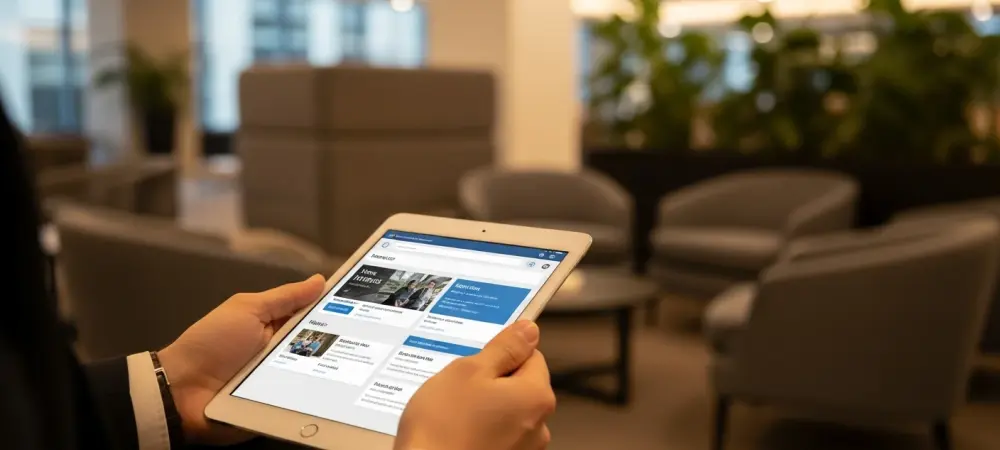
The constant bombardment of digital notifications across multiple enterprise platforms has transformed the simple task of reading a company update into a frustrating exercise in information management for modern professionals. When critical updates are buried in a sea of notifications, employees often feel disconnected from the organization’s mission and culture. This disconnect creates a silent barrier to productivity that many leaders struggle to identify until morale begins to dip and attrition rates start to climb.
Organizations are no longer just fighting for external market share; they are competing for the internal attention of their own workforce. Making the delivery of streamlined, relevant content a necessity rather than a luxury is the primary challenge of the digital workplace. Without a clear path to the most important news, the workforce remains fragmented, and vital cultural touchstones are easily lost in the daily noise.
Breaking Through the Digital Clutter to Reach Every Employee
In the current professional landscape, the average employee filters through hundreds of touchpoints, making it difficult for internal news to achieve any meaningful impact. To overcome this hurdle, communication leaders must find a way to present information where employees are already looking. A centralized approach ensures that the organization speaks with a single voice, reducing the cognitive load on staff members who are already stretched thin by their primary responsibilities.
By delivering content that is both concise and visually engaging, organizations can recapture the focus of their teams. This method moves away from the traditional broadcast style and toward a more curated experience that respects the recipient’s time. When information is easy to find and consume, employees are naturally more likely to participate in the broader corporate conversation, leading to a more unified and informed organizational culture.
The Hidden Costs of Fragmented Internal Communication Workflows
Many human resources and communication teams currently operate in a state of tool fatigue, jumping between intranets, external email marketing platforms, and manual spreadsheets. This fragmentation does more than just drain productivity; it creates a disconnect between the source of truth—the company intranet—and the medium used to reach employees. Without a unified system, administrators are forced to manually reformat content, increasing the risk of information lag and data inconsistency.
Inconsistent branding across these silos can erode employee trust and lead to confusion regarding which information is current or authoritative. When the internal communication process feels disjointed, the workforce often perceives the organization as unorganized or technically lagging. Furthermore, manual data management across separate platforms introduces unnecessary administrative overhead that prevents teams from focusing on the high-level strategic goals that actually drive the business forward.
Streamlining Content Distribution With Native Intranet Integration
The shift toward integrated solutions allows teams to bridge the gap between long-form content and the employee inbox. By using a centralized builder like the one offered by ThoughtFarmer, administrators pull live news posts directly into professional, branded templates without redundant data entry. This “one-click” approach ensures the newsletter acts as a cohesive extension of the intranet, maintaining a consistent look and feel across all digital touchpoints.
This streamlined workflow serves as a high-visibility gateway that drives traffic back to a centralized hub where employees engage more deeply with full-length stories. Instead of spending hours on manual layout, communication professionals can focus on crafting narratives that resonate with their specific audience. The result is a professional communication stream that maintains brand integrity without requiring specialized technical design skills or external software subscriptions.
Leveraging Real-Time Analytics to Drive Workforce Adoption
Transitioning to an integrated newsletter model provides a wealth of data that traditional email tools often lack, specifically tailored for internal audiences. With access to granular metrics like open rates and click maps, communication leaders move away from guesswork and toward a data-driven strategy. These insights reveal exactly which stories resonate with specific departments, allowing for more personalized and relevant outreach that meets the unique needs of a diverse workforce.
By respecting existing intranet security permissions, these tools ensure that employees only receive authorized content, maintaining a secure environment while boosting overall platform adoption. When employees receive content that is relevant and accessible, they develop a stronger connection to the digital workplace. This security-first approach prevents the accidental sharing of sensitive data while streamlining the distribution of public company news to the correct segments of the staff.
Strategic Steps for Launching an Effective Integrated Newsletter
To maximize the impact of an integrated newsletter, organizations followed a structured framework that prioritized consistency and ease of access. Leaders selected a versatile template that aligned with the corporate brand and utilized drag-and-drop customization for quick updates. Establishing a regular cadence—whether weekly or bi-weekly—successfully built an “appointment viewing” habit among the staff, turning the newsletter into a reliable internal resource that employees actually anticipated.
Instead of overcrowding the email with text, tactical teams used compelling headlines and rich text snippets to entice employees to return to the intranet. This approach fostered a more interactive digital workplace culture where peer engagement was the primary goal. Future improvements focused on utilizing automated scheduling to ensure that global teams received updates at the most impactful times. Organizations that adopted these integrated tools saw a significant reduction in administrative hours and a measurable rise in overall platform interaction.