

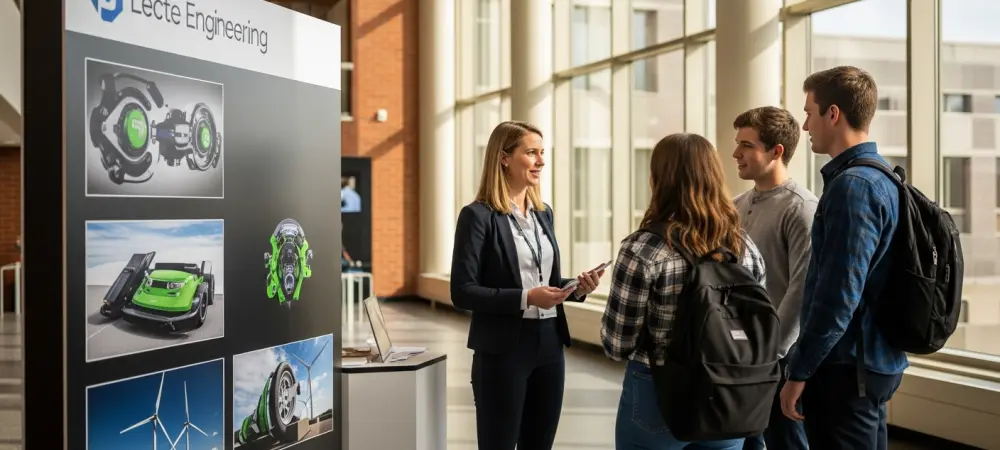
The rapid global shift toward electric vehicles and advanced robotics has placed rare earth magnets at the very center of the modern industrial supply chain, yet the human talent required to produce these materials remains alarmingly scarce. Neo Performance Materials stands as a critical pillar in this high-tech infrastructure, managing a complex network of manufacturing facilities and research centers that span three continents. With 1,600 employees operating in high-pressure sectors like aerospace and clean energy, the organization faces a paradox where the materials are essential, but the specialized knowledge to refine them is exceptionally rare. This environment demands more than traditional human resources management; it requires a sophisticated approach that aligns technical manufacturing requirements with a global workforce strategy designed to weather economic and geopolitical shifts. Because the expertise required is so specific, the company cannot simply rely on the open market to fill its most critical roles. Instead, it must treat human capital with the same precision and long-term planning it applies to its chemical engineering and supply chain logistics, ensuring that talent becomes a sustainable resource rather than a bottleneck for growth.
Overcoming Structural Talent Scarcity and Fragmentation
Bridging Expertise Gaps: The Shift to Internal Cultivation
The rare earth sector is notoriously opaque, often hidden from the mainstream educational path, which creates a significant barrier for companies seeking ready-made experts in the field. Because the underlying science involves highly specific metallurgical and chemical processes, finding individuals with prior experience in magnetics or rare earth separation is nearly impossible in the open market today. This scarcity is further intensified by the competing demands of the AI and electrification industries, which tend to siphon off general engineering talent before they can specialize. To counter this, the company has pivoted from a traditional talent model to a comprehensive strategy that prioritizes potential over existing niche experience. By focusing on identifying individuals with strong foundational scientific skills and high learning agility, the organization creates its own subject matter experts from the ground up.
This shift toward internal development requires a robust structural commitment to mentorship and specialized knowledge transfer across all levels of the organization. Industry veterans who possess decades of tacit knowledge are paired with newer recruits to ensure that critical technical competencies are not lost when senior staff members eventually transition out of the workforce. This internal ecosystem of learning is supplemented by a mapping of adjacent industries to identify candidates with transferable skills who can be quickly upskilled. By creating a structured environment where learning is continuous and tied directly to operational success, the company has effectively mitigated the risks associated with the global engineering shortage. This approach not only fills immediate gaps but also builds a resilient talent reservoir that can adapt as the technical requirements of the clean energy transition continue to evolve through 2026 and beyond.
Unifying Corporate Culture: Harmonizing Global Operations
Growth through decades of mergers and acquisitions often results in a fragmented organizational identity, where different facilities operate under vestigial policies and localized management styles. For a global leader in materials science, such fragmentation can lead to significant inefficiencies in the supply chain and a lack of clear communication across international borders. HR leadership has prioritized the creation of a unified global framework that integrates these disparate units into a cohesive whole that speaks with one voice. This does not mean erasing the local cultural nuances that make each regional office unique; rather, it involves establishing a consistent set of standards for professional mobility and performance management that applies regardless of geography. By balancing local labor laws with a centralized strategic discipline, the company ensures that an engineer in Europe and a plant manager in Asia operate under the same core values.
Maintaining this unified structural discipline is vital for the seamless collaboration required to manage a global supply chain that stretches from raw material sourcing to final product delivery. When employees across different continents understand that they are part of a single, integrated mission, the barriers to cross-regional cooperation begin to dissolve. This cohesion is supported by global leadership programs that bring together managers from various sites to share best practices and align their operational goals. By standardizing the employee experience across North America, Europe, and Asia, the company has created a stable platform for future expansion. This unified culture serves as a defensive wall against the chaos of the global market, ensuring that internal friction is minimized and that the entire workforce is moving in the same strategic direction. Such alignment is not merely an administrative achievement but a strategic necessity in an industry where reliability is the primary driver of success.
Maintaining Stability and Growth in Uncertain Markets
Strategic Transparency: Managing Change During Institutional Uncertainty
The period spanning the last two years was marked by significant institutional uncertainty as the board of directors evaluated various strategic directions, including the possibility of a divestiture. In most corporate environments, such prolonged periods of strategic review result in high attrition rates as top performers seek the security of more stable organizations. The company managed to mitigate this risk through a radical commitment to transparent communication, treating it as a load-bearing structure for the entire change management process. Leadership maintained high visibility, providing regular, honest updates even when definitive answers were not yet available to the general staff. This approach built a foundation of trust that kept the workforce focused on operational excellence rather than external rumors.
When the decision was ultimately made to accelerate the existing growth strategy rather than pursue a sale, the organization emerged with higher levels of employee engagement and a more resilient internal culture. The transparency practiced during the crisis proved that the company valued its employees as stakeholders in the process rather than just passive observers of corporate maneuvers. This experience has since been codified into a permanent communication strategy where monthly town halls and open-door policies ensure that information flows freely from the executive suite to the factory floor. By removing the fear of the unknown, the company has created an environment where employees feel secure enough to innovate and take the calculated risks necessary for technical advancement. This psychological safety is a critical component of retention in a market where specialized talent has many other employment options.
Educational Pipelines: Securing the Future Manufacturing Workforce
Long-term manufacturing stability requires a forward-looking approach to the talent pipeline that begins long before a job opening ever appears on a public recruitment board. By forging deep partnerships with technical universities and engineering programs, the company is able to engage with the next generation of materials scientists while they are still in the early stages of their academic careers. This strategy allows the firm to shape curriculum and provide practical internships that prepare students for the specific technical challenges of the rare earth industry. Beyond just hiring new graduates, this philosophy involves identifying transferable skills from adjacent industries and providing the bridge training necessary for these professionals to transition into magnetics. This emphasis on continuous learning serves as a powerful retention tool, as employees see a documented path for their own professional evolution.
Mapping out future skill requirements involves a constant dialogue between the HR department and the technical leadership to ensure that the recruitment strategy stays ahead of technological trends. As the industry moves toward more advanced automation and sustainable refining processes, the workforce must be equipped with the digital literacy and environmental expertise required to operate modern facilities. The company invests heavily in internal certification programs that allow existing employees to stay current with these changes, effectively future-proofing the organization from within. This proactive stance on education ensures that the company is not just reacting to the talent crunch but is actively working to expand the pool of available expertise. By positioning itself as a center for lifelong learning, the organization attracts individuals who are driven by intellectual curiosity and a desire to be at the forefront of industrial innovation.
Transforming HR into a Strategic Global Enabler
Intentional Technology: Integrating AI with Workforce Readiness
While many organizations have rushed to integrate generative artificial intelligence into every facet of their operations, the approach here has been notably more deliberate and strategic. The focus remains on using technology to solve specific problems within the global recruitment and training ecosystem rather than adopting tech for its own sake. AI-driven pilots are currently being used to streamline the identification of niche talent in disparate geographic markets, allowing the HR team to find specialized candidates who might otherwise be invisible in a standard search. Furthermore, AI is being leveraged to scale training content, translating complex technical procedures into multiple languages to ensure that the global workforce stays updated on the latest safety protocols. This intentional integration ensures that technological advancements actually support the human element of the business. This measured approach to technology adoption from 2026 to 2028 will focus on enhancing human decision-making rather than replacing it. By automating the administrative aspects of the recruitment process, HR professionals are freed up to spend more time on high-value activities such as career coaching and cultural integration. The use of data analytics also allows the company to predict attrition patterns and identify skill gaps before they become critical issues, enabling a more proactive management style. This balance between high-tech tools and high-touch human interaction is essential for maintaining the personal connections that drive employee loyalty in a globalized company. Technology is viewed as an enabler of growth, providing the scalability needed to manage a workforce that is spread across vastly different time zones and regulatory environments.
Business Partnership Models: HR as a Proactive Growth Catalyst
The transformation of HR from an administrative support function to a proactive business enabler has been a cornerstone of recent organizational success in the rare earth sector. Instead of reacting to hiring requests, the HR team now operates as a strategic partner, conducting regular SWOT analyses with various business units to anticipate future needs. By understanding the granular business objectives of each department, HR can deploy resources more effectively and ensure the organization has the right blend of technical skill and cultural fit. This model allows the company to tailor its people strategy to the specific lifecycle and market conditions of each division; for example, a high-growth unit might require aggressive recruitment, while a mature division focuses on succession planning.
This shift toward a business partnership model ensures that human capital is managed with the same level of strategic rigor as financial or financial or physical assets. HR leaders are involved in the earliest stages of project planning, providing insights into the labor availability and training requirements for new facility openings or product launches. This integration prevents the delays that often occur when people strategy is treated as an afterthought in the industrial expansion process. By aligning the needs of the workforce with the goals of the shareholders, the company has created a sustainable framework for long-term profitability. This proactive stance ensures that the company remains a leader in the global transition to clean energy, with a workforce that is as advanced and reliable as the materials they produce for the world market.
Cultivating Long-Term Resilience in Specialized Industries
The successful navigation of the global talent crunch in niche markets ultimately depended on the ability to integrate human-centric strategies with high-level business objectives. Organizations that prioritized the internal cultivation of expertise and established clear, transparent communication channels were far better positioned to survive periods of institutional volatility. Looking ahead from 2026 to 2030, the focus must shift toward more aggressive cross-industry collaboration and the adoption of skills-based hiring models that value cognitive flexibility over direct experience. Investing in localized educational ecosystems while maintaining a global cultural standard provided a blueprint for other firms operating in specialized technical sectors. HR leadership demonstrated that by treating the workforce as a strategic asset rather than a cost center, companies secured their position at the forefront of the global energy transition. The proactive alignment of technology, education, and corporate transparency emerged as the most effective defense against the growing scarcity of specialized industrial talent in a competitive world.