

Introduction
Imagine a workplace where employee stress levels are not just acknowledged but proactively managed through cutting-edge technology, ensuring mental fatigue doesn’t derail productivity. In today’s fast-paced corporate landscape, declining engagement and rising burnout, especially among remote and hybrid teams, have become pressing challenges for organizations. Employee well-being directly impacts performance, retention, and overall company success, making innovative solutions a top priority for HR leaders. This FAQ article aims to explore how CogniFit’s recently launched HR platform addresses these critical issues with a focus on cognitive health. Readers can expect clear answers to key questions about the platform’s features, benefits, and impact on workplace wellness, providing actionable insights for fostering healthier, more engaged teams.
The scope of this discussion covers the unique challenges of modern work environments and the role of cognitive intelligence in overcoming them. By delving into specific aspects of the platform, from personalized brain training to seamless integration, this piece seeks to guide HR professionals and business leaders in understanding how technology can transform employee support. Each section addresses a distinct facet of the solution, ensuring a comprehensive look at its potential to revolutionize workplace strategies.
Key Questions
What Challenges Does CogniFit’s HR Platform Aim to Address?
Modern workplaces, particularly those with remote and hybrid setups, face significant hurdles in maintaining employee engagement and mental well-being. A notable decline in connection among distributed teams often leads to stress, cognitive overload, and a sense of isolation, which can undermine productivity. According to the Gallup State of the Global Workplace report, employee engagement in the U.S. has hit concerning lows, with remote workers at a higher risk of burnout due to blurred work-life boundaries.
CogniFit’s HR platform steps in to tackle these issues by embedding cognitive health tools into everyday HR practices. It offers scientifically validated assessments to detect early signs of mental fatigue and stress, enabling timely interventions. Through personalized brain training modules, employees gain support tailored to their unique needs, helping to mitigate disconnection and improve focus in challenging work settings.
This approach is grounded in the recognition that mental wellness is as critical as physical health in sustaining performance. By prioritizing cognitive support, the platform addresses root causes of disengagement, providing a proactive rather than reactive solution. Such targeted strategies empower organizations to build resilience among teams, ensuring long-term success in dynamic environments.
How Does the Platform Enhance Employee Performance and Well-Being?
Ensuring employees perform at their best while maintaining a sense of balance is a core concern for many companies navigating distributed work models. Cognitive skills like attention, memory, and reasoning play a pivotal role in daily tasks, yet these abilities can deteriorate under stress or prolonged workloads. Without adequate support, employees may struggle to meet expectations, leading to frustration and reduced output.
The platform introduced by CogniFit uses artificial intelligence and cognitive analytics to deliver individualized feedback and training recommendations. By tracking key indicators of mental fitness, such as focus and resilience, it helps employees build self-awareness and strengthen critical skills. This personalized approach not only boosts performance but also fosters a sense of agency, as individuals can actively work toward better cognitive health.
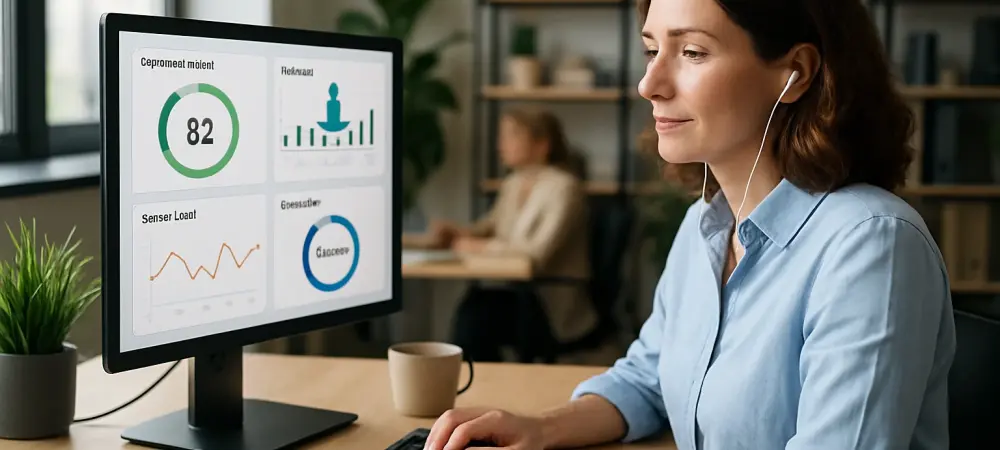
Moreover, HR teams gain access to real-time data that highlights trends and potential areas of concern across the workforce. This insight allows for informed decision-making, such as adjusting workloads or offering additional resources before issues escalate. As a result, the dual focus on individual growth and organizational oversight creates a healthier work culture where well-being and productivity go hand in hand.
What Makes Integration with Existing Systems Seamless?
Adopting new technology often raises concerns about compatibility with established workflows, especially for large organizations with complex HR systems. The challenge lies in ensuring that any new tool enhances rather than disrupts existing processes, minimizing downtime and training requirements. Seamless integration is crucial for widespread adoption and effective implementation in diverse corporate settings.
CogniFit’s solution stands out with its Developer Platform, which uses APIs and SDKs to embed cognitive tools directly into current systems. Companies can customize and brand these experiences, aligning them with their unique needs from onboarding through ongoing professional development. This flexibility ensures that employees encounter a familiar interface, reducing the learning curve and encouraging consistent use.
The ability to integrate cognitive health features without overhauling infrastructure is a significant advantage for scalability. Organizations can roll out the platform gradually, testing its impact in specific departments before full deployment. Such adaptability demonstrates a practical understanding of corporate realities, making the tool a viable option for businesses of varying sizes and structures.
Why Is Cognitive Data a Strategic Asset for Workplace Wellness?
As enterprises strive to optimize performance and retain top talent in distributed environments, the value of actionable insights cannot be overstated. Cognitive data offers a window into employees’ mental states, revealing patterns that might otherwise go unnoticed until they manifest as absenteeism or turnover. Harnessing this information strategically can redefine how companies approach wellness and leadership development.
This HR platform positions cognitive health as a cornerstone of employee support by providing detailed metrics on skills and mental resilience. For remote workers, who often face unique demands like self-regulation and sustained concentration, these insights are particularly vital. HR leaders can use the data to tailor wellness initiatives, ensuring they address specific challenges rather than applying generic solutions.
Forward-thinking companies adopting this technology gain a competitive edge by fostering adaptive workforces ready to meet evolving demands. The emphasis on cognitive fitness aligns with broader trends toward mental health awareness, signaling a shift in how workplace success is measured. By treating cognitive data as a key resource, organizations lay the groundwork for sustainable growth and employee satisfaction over time.
Summary
This discussion highlights the transformative potential of CogniFit’s HR platform in addressing critical workplace challenges like declining engagement and mental fatigue. Key takeaways include the platform’s ability to deliver personalized cognitive training, provide real-time data for HR decision-making, and integrate seamlessly with existing systems. Each feature works in tandem to enhance employee well-being and performance, creating a ripple effect of positive change across organizations.
The insights provided underscore the importance of prioritizing cognitive health as part of a broader wellness strategy. With remote and hybrid models becoming standard, tools that support mental fitness are no longer optional but essential for maintaining a connected and productive workforce. The platform’s scalability ensures it meets the needs of diverse enterprises, offering a versatile solution for current and future demands.
For those seeking deeper exploration, additional resources on cognitive health trends and workplace technology can provide further context. Research into employee engagement studies or HR tech innovations offers valuable perspectives on integrating such tools effectively. Staying informed about these developments equips leaders to make strategic choices that benefit both employees and the organization as a whole.
Final Thoughts
Reflecting on the insights shared, it becomes evident that CogniFit’s HR platform marks a significant step forward in redefining workplace wellness through cognitive health. The focus on personalized support and data-driven strategies offers a fresh perspective on tackling longstanding issues like burnout and disconnection. This approach paves the way for healthier, more engaged corporate environments.
Looking ahead, organizations are encouraged to evaluate how such technology can align with their specific goals and workforce dynamics. Exploring pilot programs or targeted implementations could serve as practical next steps to test the platform’s impact. By taking proactive measures to integrate cognitive wellness tools, companies position themselves to adapt and thrive in an ever-changing professional landscape.