

Modern organizations have reached a pivotal realization that traditional incentives like office snacks or branded merchandise are no longer sufficient to sustain a high-performing workforce. Instead, the focus has shifted toward building a foundation of functional support that addresses the daily realities of professional life. When a company invests in its structural backbone, it communicates a profound level of respect for the time and well-being of its staff. This article explores how optimizing the physical and digital environment serves as a more powerful form of appreciation than any temporary perk, drawing on industry trends and organizational strategies that define the current landscape of workplace excellence.
The Evolution of Workplace Value: Beyond Perks and Toward Purpose
The transition from superficial rewards to substantive infrastructure marks a significant change in how businesses approach retention. While compensation remains a critical factor, the modern employee increasingly views their environment as a reflection of how much their employer truly values their contribution. Providing a space that facilitates success rather than hindering it has become a primary differentiator for small and mid-sized enterprises. This shift emphasizes that gratitude is not an annual event but a continuous commitment embedded in the tools and systems provided to the team.
This subject has gained immense significance because the barriers between work and life have become increasingly fluid. Employees are no longer satisfied with “theatrical” office culture; they seek a frictionless experience that allows them to perform at their peak without unnecessary stress. By analyzing the intersection of operational efficiency and human satisfaction, one can see a clear path toward a more resilient business model. The following exploration details how specific structural improvements translate directly into a culture of appreciation and high engagement.
Transforming the Daily Experience Through Structural Excellence
Reducing Friction with Seamless Digital Workflows
Eliminating the “troubleshooting tax” is one of the most direct ways to show employees that their time is respected. Friction in the workplace often stems from fragmented software ecosystems that require constant manual intervention to move data from one stage to another. Industry leaders recognize that when a professional must spend an hour fixing a software sync error, they are being deprived of the opportunity to engage in meaningful work. Implementing integrated platforms that combine voice, project management, and file sharing creates a cohesive environment where energy is directed toward innovation rather than administrative maintenance.
Potential challenges do exist, particularly regarding the learning curve associated with new digital frameworks. Some teams may resist the transition to automated workflows if the change feels forced or overly complex. However, data suggests that once these systems are established, the resulting clarity significantly lowers stress levels. The debate often centers on whether to choose specialized niche tools or all-in-one suites, but the consensus remains that the goal must always be the removal of technical hurdles that cause daily frustration.
Ergonomics and Environmental Wellness as a Form of Respect
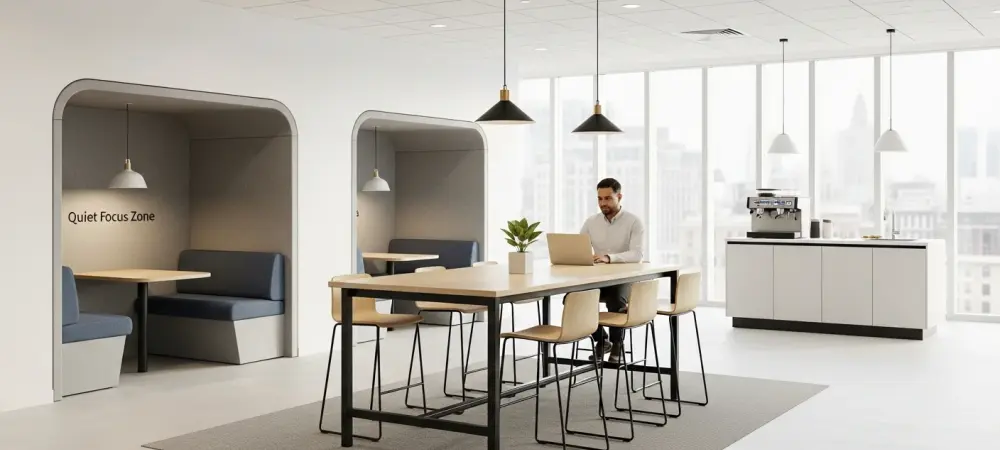
Physical comfort in the office is frequently dismissed as a luxury, yet it remains a fundamental component of long-term health and productivity. Investing in adjustable standing desks, high-quality ergonomic chairs, and dual-monitor setups demonstrates that an employer is concerned with the physiological sustainability of their staff. Many organizations are moving away from the “one size fits all” office layout in favor of diverse zones, including quiet areas for deep focus and collaborative hubs for group creativity. This environmental agency allows workers to tailor their physical space to the specific task at hand.
Real-world applications show that these improvements lead to a measurable decrease in workplace injuries and chronic fatigue. Beyond the physical benefits, providing high-end equipment serves as a symbolic gesture of trust and professional validation. When a company prioritizes the physical well-being of its team, it reduces the risk of burnout and signals that the human element of the business is its most valuable asset. The risk of ignoring these factors often manifests in higher turnover and a general decline in morale.
Investing in Fiber Connectivity to Prevent Professional Burnout
Reliable internet connectivity has moved from a background utility to a frontline enabler of professional success. In a landscape where high-definition video conferencing and massive cloud-based data transfers are standard, legacy copper infrastructure often fails to meet modern demands. Transitioning to fiber-based connectivity is more than a technical upgrade; it is a way to prevent the micro-frustrations of dropped calls and lagging systems. These small technical glitches, when accumulated over months, contribute significantly to a sense of professional exhaustion and inadequacy.
Emerging trends suggest that secure, high-speed fiber networks also provide the necessary bandwidth for advanced security protocols that protect both the firm and the individual. Regional differences often dictate the availability of these services, yet the push for universal fiber access remains a priority for businesses looking to stay competitive. By removing the technical barriers that lead to digital fatigue, organizations empower their teams to communicate and collaborate with a level of fluidity that was previously impossible.
Cultivating Growth Through Knowledge-Sharing Frameworks
True appreciation often takes the form of investment in an individual’s future potential through structured learning opportunities. Developing an internal framework for knowledge sharing, such as peer-to-peer mentoring or access to digital learning platforms, creates a self-sustaining ecosystem of improvement. This approach shifts the relationship between the employer and employee from a simple transaction of labor for pay toward a partnership focused on mutual growth. It provides a clear path for advancement that is supported by the company’s internal resources.
Comparative analysis of high-retention companies reveals that those with robust developmental infrastructure often outperform their peers in innovation. Expert opinions suggest that a culture of continuous learning acts as a powerful motivator, particularly for younger generations who prioritize skill acquisition. Instead of searching for external talent, these organizations cultivate expertise from within, reinforcing a sense of belonging and loyalty. This strategic depth ensures that the organization remains agile in a rapidly changing market.
Strategic Implementation: Turning Infrastructure into Retention
To successfully convert infrastructure investments into employee retention, leadership must adopt a proactive and systematic approach. It is not enough to simply purchase new software; there must be a clear strategy for integration and a feedback loop to ensure the tools actually solve existing problems. Best practices involve conducting internal audits to identify the specific points of friction that bother the staff most. Once these pain points are identified, the business can prioritize upgrades that offer the highest impact on the daily experience.
Actionable recommendations include starting with the digital backbone—ensuring that every employee has the bandwidth and hardware necessary to perform their roles without delay. From there, companies should look toward the physical environment and the professional development programs that define the long-term career path. By treating infrastructure as a living component of the company culture, managers can ensure that every structural improvement is viewed as a tangible act of appreciation.
The Future of Functional Gratitude in a Competitive Market
The overarching theme established throughout this discussion was that the most effective way to value a workforce was to optimize the conditions of their daily labor. It was clear that high-performing teams thrived when they were supported by reliable technology, ergonomic environments, and clear paths for professional evolution. As the competitive landscape evolved, the distinction between “perks” and “functional support” became the defining factor in organizational success. Companies that recognized infrastructure as an extension of their respect for their employees were able to build more resilient and committed workforces.
Looking ahead, the integration of these systems will likely become even more sophisticated, with artificial intelligence and advanced connectivity further reducing the administrative burden on individuals. Leaders who prioritized these foundational elements successfully moved beyond the limitations of traditional incentives. The strategic takeaway was that true gratitude was best expressed through the quality of the tools and the environment provided to those who drove the business forward. Investing in the framework of the organization was ultimately an investment in the human spirit that powered it.