

Recent industry statistics indicate that nearly one-third of new hires decide whether they will stay with a company long-term within the first thirty days of their employment, yet many organizations continue to treat this critical window as a mere administrative formality. The traditional approach often involves a chaotic scramble of tax forms, hardware setups, and generic orientation slideshows that leave employees feeling more like a data point than a valued addition to the team. In the current landscape of 2026, the high cost of talent acquisition means that any friction during the initial integration phase directly translates to lost revenue and diminished brand reputation. When a new hire feels disconnected or overwhelmed, the likelihood of early attrition spikes, forcing the company back into an expensive recruitment cycle. By shifting the focus from a rigid checklist to a technology-enhanced experience, businesses can foster a sense of belonging and competence that secures the investment made in every individual.
Overcoming Information Overload With Adaptive Micro-Learning
One of the most pervasive and expensive errors in traditional corporate onboarding is the “firehose” approach, where recruits are expected to master complex systems and company policies in a single intensive week. This method triggers cognitive overload, a state where the brain becomes so saturated with information that it fails to retain the most critical details necessary for daily operations. Artificial intelligence mitigates this risk by analyzing the specific requirements of a role and delivering knowledge through personalized micro-learning paths. Instead of a day-long lecture, an AI-driven platform might serve short, interactive modules that adapt based on how quickly the user demonstrates mastery of the material. This ensures that a software engineer receives technical documentation at a different pace than a sales executive receives product pricing strategies. Such precision prevents the frustration that stems from irrelevant content and allows every employee to build a foundation.
Moving toward a structured, AI-enhanced productivity framework provides measurable advantages that far outweigh the results of outdated, one-size-fits-all orientation programs. Research into modern workforce performance suggests that organizations implementing these intelligent systems have witnessed an 89% increase in high-quality contributions from new hires during their initial probationary periods. This success is largely attributed to the ability of AI to reinforce knowledge over time through spaced repetition and contextual nudges that occur exactly when the information is needed. For example, a virtual tutor might prompt a new hire with a quick tip about a specific CRM workflow just as they open that application for the first time. By transforming training from a static event into an ongoing, supportive dialogue, companies ensure that their staff remains confident and productive. This level of support reduces the cognitive burden on the employee, allowing them to focus their mental energy on creative problem-solving and social integration.
Bridging Communication Gaps With Virtual Support Systems
New employees naturally encounter a high volume of logistical and procedural questions, ranging from benefit enrollment details to the specific nuances of internal communication protocols. Unfortunately, HR departments frequently experience a significant “response gap” because managers are often tied up in high-level strategy meetings or complex administrative duties. This lack of immediate support can make a new hire feel isolated and unsupported during those vital first few weeks when their initial impressions are being solidified. AI-powered chatbots and virtual assistants serve as a 24/7 safety net by providing instant, accurate answers to common inquiries without requiring human intervention. These systems are trained on company handbooks and historical data, allowing them to handle routine queries about payroll schedules or office layouts with remarkable speed. By removing these minor roadblocks, technology allows the employee to maintain their momentum and stay focused on core tasks.
Beyond providing basic information, integrating artificial intelligence into the feedback loop shifts the onboarding experience from a cold, transactional process into a genuinely relational one. Automated pulse surveys and sophisticated sentiment analysis tools allow HR teams to monitor the emotional state of a new hire at key milestones, such as the end of their first week or their first month. Since highly engaged businesses typically see a massive reduction in turnover and absenteeism, these AI tools are indispensable for identifying subtle red flags that a human manager might easily overlook. If the sentiment analysis detects a pattern of frustration or confusion in an employee’s survey responses, the system can automatically flag the situation for proactive human intervention. This ensures that every individual feels heard and valued, creating a culture of transparency where issues are addressed before they escalate into resignations. Data provides the visibility to maintain connections at scale.
Maximizing Retention and Success Through Strategic Technological Integration
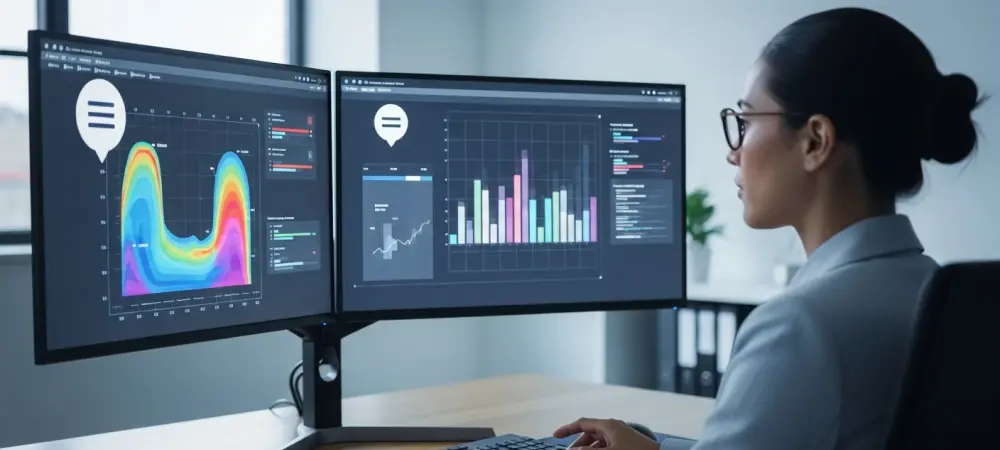
A common misconception among corporate leadership is that the onboarding journey concludes the moment the initial paperwork is signed and the employee has been given their desk. In reality, leaving a new hire to navigate the complexities of a new role without ongoing visibility is a recipe for early attrition and long-term disengagement. AI-powered analytics platforms solve this problem by providing managers with real-time data on training completion rates and assessment scores, functioning as a sophisticated early warning system for “at-risk” staff members. These platforms can identify patterns where a new hire is falling behind their peers or struggling with specific modules, allowing leadership to step in with targeted mentorship. This level of oversight ensures that no employee is left to struggle in silence, effectively bridging the gap between initial orientation and full competency. By tracking these metrics, the organization can fine-tune its training to support future hires better.
Ultimately, the strategic implementation of these technologies is designed to foster a more effective human-AI collaboration within the workplace by redistributing the administrative workload. By automating routine and repetitive tasks like data entry, file organization, and meeting scheduling, AI clears the administrative noise that often distracts HR professionals from high-value human interactions. This shift allows the human team to focus on the cultural integration and interpersonal mentorship that are the true foundations of a strong company identity. While technology provides the necessary infrastructure for a smooth transition, the heart of the company culture remains deeply human and social. The goal is to create an environment where the employee feels that the organization has invested in their success through both efficient systems and personalized human support. This balanced approach ensures that while logistics are automated, the sense of community is nurtured by experienced leaders.
The companies that successfully navigated this transition prioritized a multi-phased rollout that emphasized both data privacy and user experience from the outset. They began by auditing their current pain points and selecting specific AI tools that complemented their existing human resource tech stack rather than attempting a total system replacement. By fostering a collaborative environment where artificial intelligence handled the data processing and humans handled the interpersonal connection, they created a blueprint for long-term organizational resilience. This historical shift demonstrated that the most effective next steps for any business involved a commitment to transparency and ongoing training for the existing workforce to ensure everyone felt comfortable with new digital assistants. Ultimately, the integration of these technologies proved to be the most reliable solution for stabilizing the talent pipeline. It ensured that every new hire was set on a path of growth and contribution that benefited both the individual and the enterprise.