

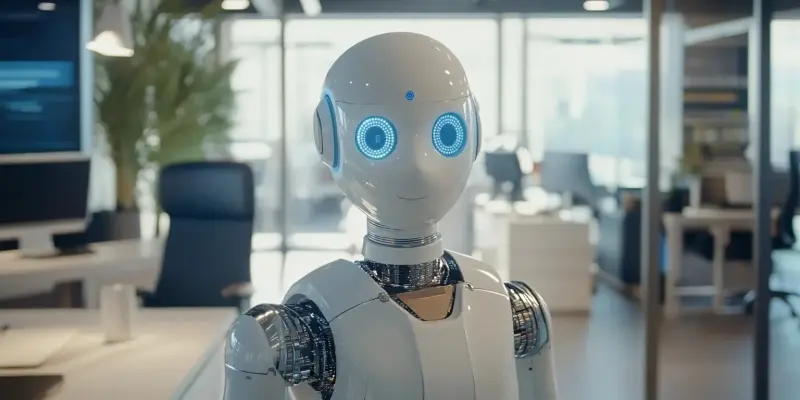
Artificial Intelligence (AI) is rapidly transforming various aspects of the workplace, including how employees communicate and engage with one another. AI technology holds immense potential for identifying and addressing communication blind spots that could hinder productivity and collaboration. By leveraging AI, companies aim to enhance overall workplace communication, making interactions more effective and engaging for employees. This article delves into the various ways AI can transform workplace communication, from offering real-time feedback to supporting training and development.
The Power of Real-Time Feedback
Analyzing Communication Patterns
AI-powered tools are proving to be game changers in monitoring and analyzing various aspects of speech in real-time, including tone, pace, and emotional nuances. This sophisticated technology goes beyond superficial metrics by providing immediate feedback and actionable insights that help employees refine their speaking and listening habits. For instance, an AI tool might detect that an employee’s tone of voice fluctuates too much during a presentation—a detail that human supervisors might overlook. The AI can then suggest more effective modulation techniques to ensure the message is received clearly and professionally.
Moreover, by diving deep into communication patterns, AI can identify subtleties that impact how messages are perceived. Imagine a scenario where team members often interrupt one another in meetings, thereby causing miscommunication and frustration. By constantly analyzing these interactions, AI can pinpoint the exact moments when interruptions occur and offer constructive feedback, thus fostering a more respectful and efficient communication environment. This facilitates not only better individual communication skills but also improves the overall dynamics within teams, contributing to a more cohesive workplace culture.
Enhancing Engagement and Effectiveness
One of AI’s most impactful contributions is its ability to detect various speech issues such as speaking too quickly or slowly, frequent interruptions, and signs of frustration or hesitation. Acting almost like a personal coach, AI helps employees make real-time adjustments to their communication styles, significantly enhancing both engagement and effectiveness in conversations. For example, if an AI tool identifies that an employee often hesitates during client calls, it can provide specific strategies to overcome this habit, thereby boosting the individual’s confidence and competence.
Additionally, AI tools can measure the level of engagement in meetings by analyzing participants’ tone and pace. If an employee tends to sound disengaged or monotone, AI can offer suggestions for incorporating more enthusiasm or varying their intonation to capture listeners’ attention better. This immediate feedback loop ensures that employees are continually improving their communication skills, leading to more dynamic and effective interactions. Over time, these improvements extend beyond individual conversations, contributing to a more collaborative and engaged work environment where each team member feels heard and understood.
Applications in the Workplace
Customer Service Improvements
AI-driven insights are invaluable in the realm of customer service, empowering companies to significantly enhance the quality of their interactions with clients. By analyzing conversations and providing feedback on customer interactions, AI helps employees recognize areas for improvement in their communication skills. For instance, an AI system might identify that a customer service representative tends to speak too quickly when dealing with frustrated clients, leading to misunderstandings. The AI could then suggest speaking more slowly and clearly, resulting in better customer experiences and higher satisfaction rates.
Beyond individual interactions, AI also aggregates data to identify common issues and trends in customer service communication. This enables companies to develop targeted training programs that address these specific areas, further refining the skills of their employees. Additionally, AI can monitor emotional states in real-time, offering guidance on how to handle particularly stressful or emotional calls effectively. This kind of support not only improves communication quality but also helps build stronger, more positive relationships with customers, ultimately enhancing loyalty and trust.
Leadership and Team Communication
AI also plays a crucial role in leadership development by refining managerial communication styles, which is essential for fostering a collaborative and productive workplace. Through detailed analysis of communication patterns, AI can help leaders identify areas where they might be inadvertently stifling dialogue or not fully engaging their team. For example, if a manager’s communication style is overly directive and leaves little room for input, AI can provide actionable insights on adopting a more inclusive approach that encourages team participation and idea-sharing.
Moreover, AI can enhance team interactions by identifying and addressing one-sided conversations, ensuring that all voices are heard during discussions. In a typical team setting, certain individuals may dominate conversations, while others may feel sidelined or reluctant to speak up. By analyzing these dynamics, AI can offer feedback on how to facilitate more balanced and inclusive meetings. This leads to better collaboration, as diverse perspectives are given the chance to contribute. Over time, these improvements create a more equitable and innovative workplace culture, where every team member feels valued and engaged.
Training and Development
Supporting New Hires
AI-powered tools are especially valuable in the context of training new hires, providing them with the necessary support to develop effective communication skills from the very beginning. By offering instant feedback on communication habits, these tools help new employees quickly recognize and correct common mistakes. For instance, a new hire might tend to speak too rapidly or use filler words excessively. AI can identify these patterns and suggest practical ways to improve, such as practicing slower speech and eliminating unnecessary words.
Additionally, the integration of AI in training programs allows for more personalized development plans. Each new hire can receive tailored feedback based on their specific communication style and needs, rather than relying on generic training modules. This individualized approach accelerates the learning curve, helping new employees become proficient communicators more quickly. As a result, they are better prepared to contribute effectively to team projects and client interactions, thereby enhancing overall productivity and cohesion within the workplace.
Ongoing Employee Development
Beyond just supporting new hires, AI continues to play a significant role in the ongoing development of employees at all levels. Through continuous feedback, AI helps individuals refine their communication skills over time, ensuring that they keep improving and adapting to new challenges. For example, an experienced employee might receive AI-generated insights on how to better articulate complex ideas or handle difficult conversations with peers. This ongoing support fosters a culture of continuous learning and growth within the organization.
Moreover, AI can help identify emerging leaders within the organization by analyzing communication patterns and interactions over time. Those who consistently demonstrate strong communication skills and the ability to engage effectively with others can be earmarked for leadership development programs. This proactive approach ensures that the organization is nurturing talent from within and preparing the next generation of leaders. Consequently, the consistent application of AI-driven insights leads to a more skilled and adaptable workforce, equipped to meet the evolving demands of the business.
Balancing Benefits and Concerns
Privacy and Surveillance Issues
Despite the numerous benefits that AI brings to workplace communication, its integration is not without challenges, particularly concerning privacy and the potential for it to be perceived as digital micromanagement. Employees may feel uncomfortable knowing that their every word and interaction is being monitored and analyzed by AI, leading to concerns about constant surveillance. This fear can create a sense of unease and resistance to adopting these tools, potentially stifling open and honest communication rather than enhancing it.
To mitigate these concerns, companies need to establish clear guidelines and transparent policies about how AI tools are used and what data is collected. Ensuring that employees understand the purpose behind the monitoring and the safeguards in place to protect their privacy is crucial. Additionally, involving employees in the process and seeking their input can help alleviate anxieties and foster a sense of ownership and acceptance. By addressing these issues proactively, companies can integrate AI in a manner that respects privacy while still reaping the technological benefits.
Encouraging Growth and Development
For AI-powered tools to be effective, they must be introduced in a way that encourages growth and development rather than perpetual scrutiny. Employees need to perceive these tools as aids for professional development rather than as mechanisms for constant surveillance. Companies that have successfully navigated this balance have reported improvements in communication clarity, engagement, and overall collaboration within their workforce. One effective strategy is to frame AI feedback as a supportive coaching tool designed to help employees reach their full potential.
Additionally, offering training sessions on how to effectively use AI tools can empower employees to take full advantage of the insights provided. When employees understand that AI is there to support their growth and development, they are more likely to embrace it and use the feedback constructively. Creating a culture that values continuous improvement and openness to feedback further reinforces this positive perception. Consequently, employees become more motivated to engage with the AI tools, leading to sustained improvements in communication and a more dynamic workplace.
The Future of AI in Workplace Communication
Increasing Adoption Across Industries
The trend of adopting AI-driven coaching tools is on the rise across various industries, as companies recognize the significant benefits these technologies offer. From healthcare and finance to IT and retail, organizations are increasingly integrating AI to foster better communication habits and improve overall workplace dynamics. These tools are becoming essential for identifying and addressing communication blind spots that might otherwise go unnoticed. As a result, companies are experiencing enhanced productivity, better teamwork, and improved employee satisfaction.
Furthermore, the versatility of AI tools allows them to be customized to meet the specific needs of different industries and organizational cultures. For instance, in a customer-centric industry like hospitality, AI can focus on improving employees’ interaction with guests, while in a tech-driven environment, it can help engineers and developers communicate complex ideas more clearly. This adaptability ensures that AI-driven tools can be effectively utilized in a wide range of settings, making them a valuable asset for organizations across the board.
Ensuring Positive Perception
Artificial Intelligence (AI) is quickly reshaping numerous facets of the workplace, notably how employees interact and communicate with each other. AI technology possesses vast potential for spotting and resolving communication issues that might impede efficiency and teamwork. By tapping into AI capabilities, businesses aim to elevate workplace communication, ensuring that interactions among employees are more efficient and engaging.
This article explores the myriad ways AI can revolutionize workplace communication. For instance, AI can provide real-time feedback, which helps in promptly addressing any communication missteps. Furthermore, AI can be a valuable tool in employee training and development programs, offering personalized and adaptive learning experiences. AI-driven analytics can also play a crucial role in understanding communication patterns within a team, identifying areas for improvement, and facilitating better collaboration. Employing AI in these ways, companies can foster a more connected and effective workforce, ultimately enhancing productivity and workplace morale.