

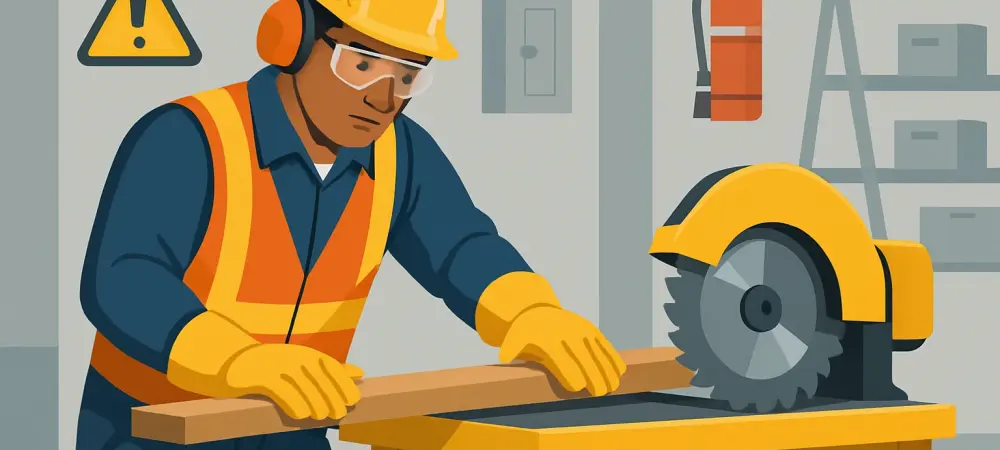
Today, we’re thrilled to sit down with Ling-Yi Tsai, a seasoned expert in workplace safety and occupational health regulations. With decades of experience guiding organizations through the complexities of OSHA standards, Ling-Yi has a unique perspective on how evolving regulations impact HR and risk management strategies. Her deep understanding of compliance, safety culture, and liability prevention makes her an invaluable resource for navigating today’s challenging landscape. In this interview, we explore the latest OSHA updates, the importance of going beyond minimum standards, and practical steps companies can take to protect their workers and their bottom line.
Can you walk us through the most significant OSHA updates for 2025 and how they’re reshaping workplace safety expectations for employers?
Absolutely. OSHA has introduced several updates this year that are really changing the game. One of the biggest focuses is on strengthening protections, especially in high-risk industries like construction. They’re tightening enforcement around fall prevention, requiring more rigorous checks on guardrails, safety nets, and personal fall arrest systems. Additionally, there’s a proposal to limit citations under the General Duty Clause for hazards deemed inherent to certain jobs. This could ease some enforcement pressure, but it doesn’t mean employers are off the hook for broader liabilities. These updates signal a shift—compliance is still critical, but companies now need to think more proactively about risk management and documentation to stay ahead of potential issues.
How can construction companies effectively adapt to OSHA’s stricter requirements for fall prevention?
The key is a multi-layered approach. First, companies need to ensure that all fall protection equipment is not just in place but regularly inspected and maintained—guardrails should be secure, safety nets properly installed, and fall arrest systems tailored to each worker. Training is equally important; workers must know how to use this gear correctly and recognize hazards. I recommend regular, hands-on training sessions combined with site-specific oversight. Supervisors should be on the ground, actively monitoring compliance and addressing issues in real time. It’s not enough to check a box; it’s about embedding these practices into daily operations.
What are the implications of OSHA potentially limiting citations for inherent hazards, and how should businesses respond?
This proposal could reduce the risk of fines for certain unavoidable hazards tied to specific jobs, which might be a relief for some employers. However, it’s a double-edged sword. Even without citations, companies aren’t shielded from lawsuits, reputational hits, or insurance claims if an accident happens. My advice is to treat this as a reminder to strengthen internal safety protocols rather than a pass to relax. Businesses should still identify and mitigate these inherent risks as much as possible, document their efforts, and communicate clearly with workers about the hazards they face. It’s about showing due diligence, regardless of regulatory changes.
Why is meeting OSHA’s minimum standards no longer enough for many organizations?
Minimum compliance might keep you out of trouble with OSHA fines, but it doesn’t protect against the bigger picture. Insurers, project owners, and even lenders are now demanding higher safety standards. They’re looking at leading indicators like near-miss reports and safety audit results before deciding on coverage or contracts. Plus, if a serious incident occurs, minimum compliance won’t hold up in court during a wrongful death lawsuit or stop the reputational damage. Companies need to see OSHA rules as the starting point, not the finish line, and aim for industry best practices to safeguard their workers and their business.
How critical is documentation in managing workplace safety and defending against liability?
Documentation is absolutely essential—it’s often your best defense. Keeping detailed records of safety equipment inspections, training sessions, incident reports, and worksite evaluations shows that you’re committed to safety. If a regulator or attorney comes knocking, these records can prove you took reasonable steps to prevent accidents. I recommend digitizing these records for easy access and integrating them into HR systems. The goal is to have everything organized and ready, whether it’s for an audit or a legal challenge. Without solid documentation, even the best safety efforts can look insufficient.
In what ways are contracts and insurance policies evolving alongside OSHA’s updates?
We’re seeing a noticeable shift in how liability is managed. Prime contractors are increasingly using indemnification clauses to push more responsibility onto subcontractors, which means smaller firms need to be extra vigilant about their safety practices. On the insurance side, carriers are getting tougher—they’re not just looking at past injury rates but demanding evidence of proactive measures like safety training and hazard reporting. For HR and risk leaders, this means reviewing contracts and policies to ensure responsibilities are clear and aligned with current regulations. It’s also smart to work closely with insurers to understand their expectations for coverage terms.
How can companies demonstrate a genuine commitment to worker safety beyond just following regulations?
It starts with building a culture where safety is a core value, not just a checklist. HR plays a huge role here by fostering open communication—encourage workers to report near-misses or hazards without fear of reprisal. Regular safety briefings and involving employees in identifying risks can make a big difference. Beyond that, ensuring everyone has properly fitted personal protective equipment and knows how to use it shows you’re invested in their well-being. Ultimately, it’s about prioritizing the human element over mere compliance—when workers see that, it builds trust and accountability across the board.
What’s your forecast for the future of workplace safety regulations and employer responsibilities?
I think we’re heading toward a more nuanced regulatory environment where OSHA might ease up in some areas, like inherent hazard citations, but other stakeholders—insurers, state governments, and even public opinion—will keep pushing for stricter standards. Employers will need to juggle federal rules with these external pressures, which means safety programs will have to be more adaptable and data-driven. I also expect technology to play a bigger role, with tools like wearable sensors and digital reporting becoming standard for tracking risks in real time. Companies that invest in these innovations now will be better positioned to handle whatever comes next.