

The historical anxiety associated with refreshing job boards and waiting weeks for a human response has been replaced by a sophisticated ecosystem where algorithms bridge the gap between human potential and corporate need. This shift has fundamentally altered the landscape of talent acquisition, moving the industry away from the high-stress, manual methods of the past toward a streamlined and data-informed experience. As organizations navigate the complexities of a modern labor market, technology has become the primary driver of efficiency, transforming recruitment from an administrative burden into a strategic, human-centric function. The focus has moved from merely filling seats to finding the perfect alignment between a candidate’s skills and a company’s evolving objectives. This analysis explores the current skills-based hiring revolution, the rise of internal gig economies, and the statistical trends defining the future of recruiter efficiency.
The Data-Driven Evolution of Recruitment
Statistical Landscape of AI Integration
Modern hiring managers no longer view technology as an optional upgrade but as the foundational scaffolding of their daily operations. Recent data from industry leaders indicates that an overwhelming 99% of hiring managers now utilize artificial intelligence within their workflows to some degree. This saturation is most evident in the automation of logistical hurdles that once consumed the majority of a recruiter’s day. Currently, 86% of managers deploy these tools for interview scheduling, while 73% rely on them to craft and refine their long-term talent strategies. Furthermore, 72% of professionals have offloaded administrative tasks like note-taking to automated systems, allowing them to remain fully present during candidate interactions. These trends illustrate how AI has matured from an experimental niche into a standard requirement for any organization seeking to stay competitive.
Real-World Applications: From Automated Interviews to Skills Ontologies
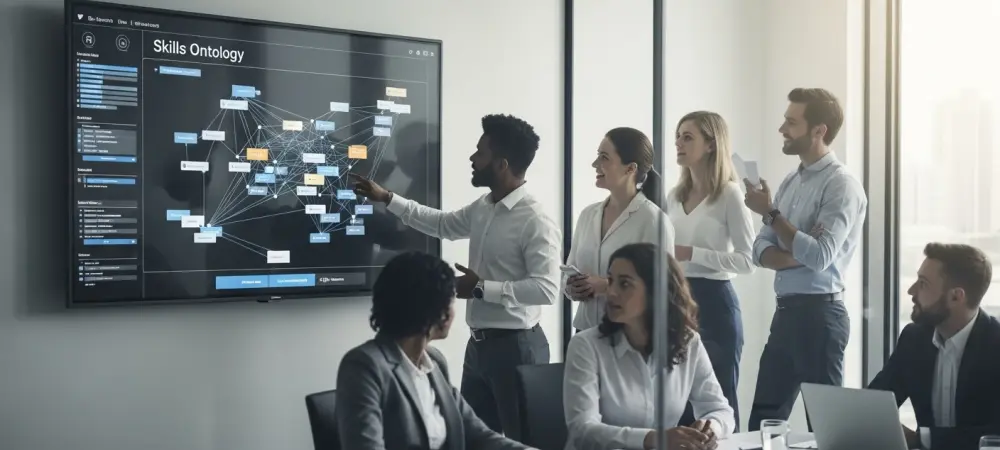
The sophistication of current tools extends into the creation of complex “skills ontologies,” which map the intricate relationships between specific proficiencies, soft skills, and proficiency levels. These systems allow for a much more nuanced understanding of a candidate than a traditional resume ever could, identifying hidden potential that might otherwise go unnoticed. This technological advancement has also rewritten the rules of engagement for job seekers; data reveals that 10:00 a.m. on Sundays has become the most popular time for candidates to engage with automated screening tools. This flexibility accommodates the modern worker’s schedule, providing a level of accessibility that traditional business hours cannot match. In high-volume environments, such as large hospital systems managing thousands of nursing graduates, automated outreach ensures that qualified professionals are identified and processed with a speed that manual systems could never achieve.
Expert Perspectives on the Human-Machine Balance
Industry leaders suggest that this technological surge is fueling a transition toward a more fluid, skills-based approach to work. Experts emphasize that the era of the rigid, static job description is fading, replaced by a model where the focus is on the specific value an individual can bring to various projects. This shift is particularly resonant with younger cohorts who reject being siloed into a single role and instead prefer to apply their capabilities across various enterprise needs. By using AI to manage these complex combinations of talent and tasks, companies can foster an environment where employees are encouraged to “create their own jobs” based on evolving organizational requirements rather than outdated titles.
Despite the rapid increase in automation, the preservation of human judgment remains a critical priority for the industry. Approximately 93% of hiring managers maintain that AI serves to augment their existing expertise rather than replace the human element of the process. This consensus reinforces the professional value of the recruiter, who is now freed from the “onerous” parts of the job to focus on high-level decision-making. The technology acts as a powerful filter, presenting the most qualified candidates so that human professionals can dedicate their time to assessing cultural fit, emotional intelligence, and long-term alignment with the company’s core values.
The Future of the Employment Landscape
The Rise of the Internal Gig Economy
The workplace is increasingly mirroring the flexibility of the consumer gig economy, but within the structured environment of the enterprise. Large organizations are implementing internal platforms that function similarly to service-based applications, allowing employees to diversify their roles by contributing to different departments. An employee might spend the majority of their time in marketing but dedicate several hours a week to a data science project in another division. This internal gig ecosystem provides the variety and growth opportunities that modern workers demand while allowing companies to maximize the potential of their existing workforce. AI provides the logistical infrastructure necessary to coordinate these complex, multi-role schedules, ensuring that talent is always deployed where it is needed most.
Reimagining Onboarding as Intelligence Gathering
The onboarding process is also undergoing a radical transformation, moving away from a simple “checkbox” exercise toward a sophisticated intelligence-gathering effort. Rather than focusing solely on administrative paperwork and background checks, the initial phase of employment is now used to identify a new hire’s deeper potential from day one. This data-rich process allows organizations to refine a new employee’s career path immediately, ensuring that their skills are aligned with long-term strategic goals. It turns a traditionally bureaucratic necessity into a proactive tool for retention and professional development.
Empowering the Candidate Experience
From the job seeker’s perspective, AI-driven tools offer a newfound sense of agency and control. Automated screening tools allow candidates to interview on their own terms and even review or edit their responses before final submission, a luxury never afforded by traditional high-pressure phone screens. This control reduces the intimidation factor and leads to a more accurate representation of a candidate’s true capabilities. Consequently, the recruitment process has become more equitable and candidate-centric, prioritizing the quality of information and the comfort of the applicant over the rigid constraints of traditional scheduling.
Strategic Implications
The logistical benefits of this evolution are profound, with automation returning approximately 11 hours per week to the average recruiter’s schedule. By reclaiming roughly 25% of their working hours, these professionals can pivot toward high-value tasks such as relationship building and assessing the nuanced “soft” qualities of a candidate. This shift ensures that the human element of hiring is not lost but is instead concentrated where it provides the most value. It allows for a more personalized approach to recruitment that emphasizes mutual fit and long-term professional fulfillment.
Summary and Outlook
The integration of artificial intelligence successfully removed the mechanical obstacles that once defined the talent acquisition process. This transformation allowed organizations to move beyond administrative tasks and focus on the strategic alignment between human talent and professional purpose. By adopting an e-commerce mindset to help workers find their “best fit,” the industry demonstrated that technology could enhance rather than diminish the human experience. Forward-thinking leaders recognized that embracing these tools was essential for maintaining a competitive edge in a market that demanded both speed and personal connection. The shift toward skills-based hiring and internal mobility created a more dynamic and resilient workforce, better prepared for the challenges of an ever-changing professional environment. Ultimately, the successful deployment of these technologies proved that the future of work depended on a harmonious balance between automated efficiency and human intuition.